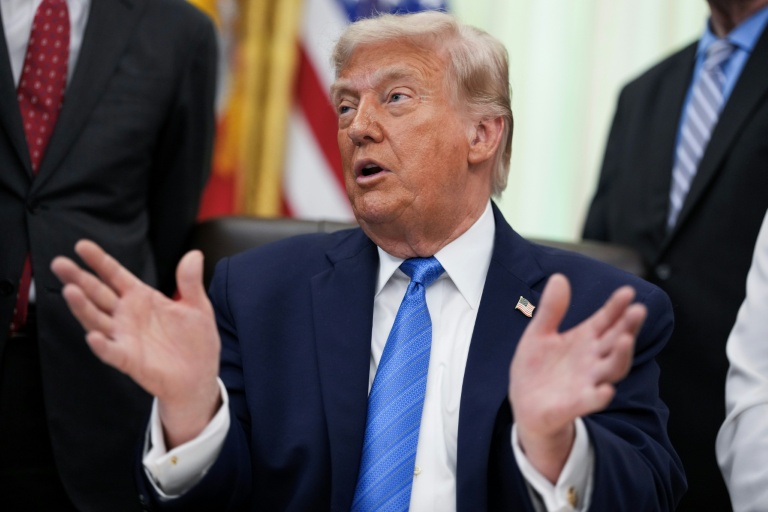
Global stock markets are moving without a common direction on Wednesday, reacting to the extension of the ceasefire in the Middle East and remaining attentive to company earnings releases. “The markets continue to teeter in a fragile balance between improving sentiment and the persistence of geopolitical risks,” commented analyst Daniela Hathorn from Capital.com, as U.S. President Donald Trump resolved on Tuesday evening to extend the ceasefire with Iran indefinitely.
Discussions between Washington and Tehran have not yet resumed. They were supposed to take place earlier this week after an initial session on April 11, aiming to find a lasting solution to a regional war that has claimed thousands of lives and shaken the global economy.
On Wall Street, around 3:45 pm GMT, the Dow Jones was up 0.64%, the Nasdaq gained 1.27%, and the S&P 500 rose by 0.79%.
Europe displayed less enthusiasm, with the Paris stock exchange ending down by 0.96%, Frankfurt losing 0.31%, London decreasing by 0.21%, and Milan dropping by 0.25%.
“The market sentiment remained fragile throughout the day, with operators trying to assess the durability of the latest ceasefire extension by President Trump, amidst lingering doubts about Iran and Israel’s compliance with the agreement,” explained Patrick Munnelly from Tickmill Group.
Furthermore, “the European economy is more severely affected by the rise in energy prices than that of the United States. This is what investors are currently factoring into their valuations,” noted Andreas Lipkow from CMC Markets.
The oil market, a key indicator of market confidence since the start of the conflict, saw an upward trend. The Brent crude oil, the European benchmark, rose by 2.94% to $101.38 a barrel, crossing the symbolic $100 threshold. Its American counterpart, WTI, gained 2.90% to $92.27.
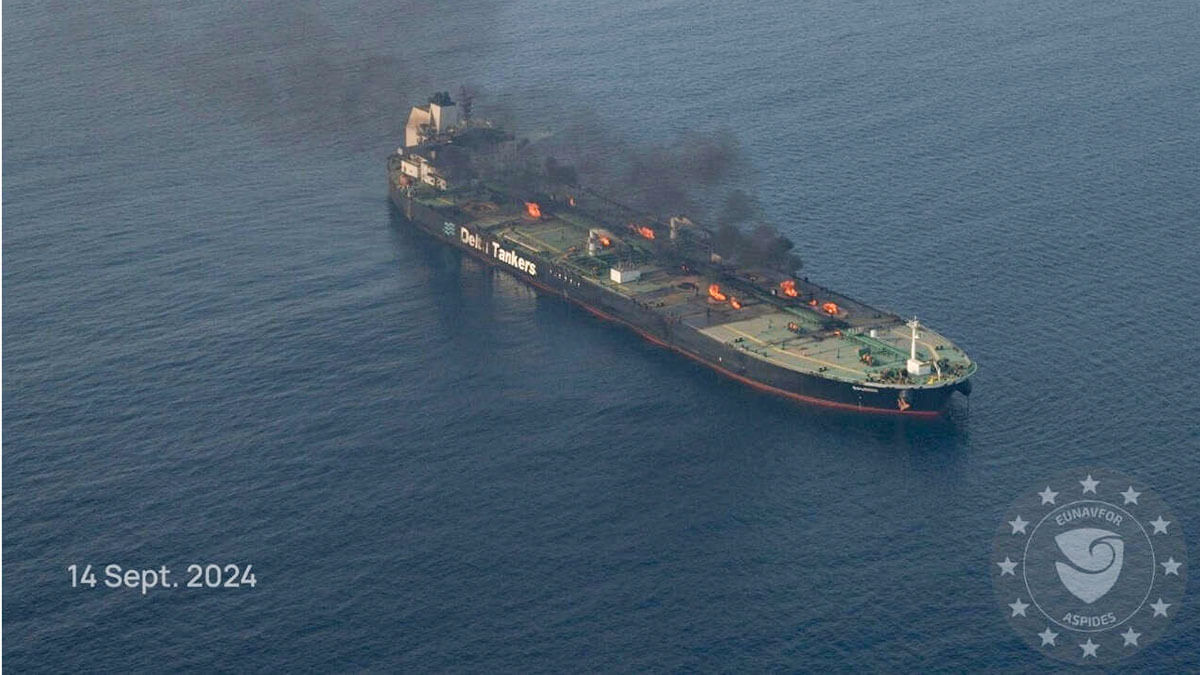
On Wednesday, Iran announced the seizure of two ships in the Strait of Hormuz, shortly after the unilateral extension of the ceasefire by Donald Trump. The Iranian government has not yet commented on this extension but Tehran is reportedly evaluating various aspects, as per Iranian state television.
“While the ceasefire announcements and occasional openings of the Strait of Hormuz have helped alleviate immediate supply fears, disruptions in the flow persist, thus maintaining a residual risk premium embedded in energy markets,” emphasized Daniela Hathorn.
“Any sign of major escalation could lead to a significant spike in prices,” cautioned Fawad Razaqzada, a market analyst at Forex.com. “Another scenario also exists: a prolonged closure of the Strait of Hormuz will continue to accentuate the supply deficit.”
As a flurry of corporate earnings rolls in, “stock markets have shown notable resilience” while the earnings season reaches its peak, highlighted Daniela Hathorn.
On Wall Street, American aerospace manufacturer Boeing (+4.75% by 3:45 pm GMT) announced better-than-expected results for the first quarter, driven by the rebound in commercial airplane deliveries, despite a net loss of $90 million ($77 million euros).
American group GE Vernova, a division of the conglomerate General Electric focusing on energy, saw a surge of nearly 13% after reporting a 71% surge in orders between January and March.
Tesla is also set to release its earnings on Wednesday, with analysts anticipating revenue growth of around 13 to 17% compared to last year.
In Amsterdam, semiconductor manufacturer ASM International ended with a gain of 7.11%. The company had presented a revenue growth forecast exceeding analyst estimates, following a first quarter boosted by artificial intelligence.
Swiss-Swedish industrial conglomerate ABB (+3.40% on the Swiss stock exchange) raised its financial targets for 2026 after significantly better-than-expected orders in the first quarter, driven by demand for data center equipment. Energy giant Siemens Energy rose by 7.42% in Frankfurt, supported by ABB’s results.
Published on April 22 at 6:09 pm, from AFP.