Iran’s Foreign Minister, Abbas Araghtchi, is currently in St. Petersburg where he is expected to meet with Vladimir Putin.
The visit concludes a particularly active diplomatic weekend, taking him from Pakistan to Oman.
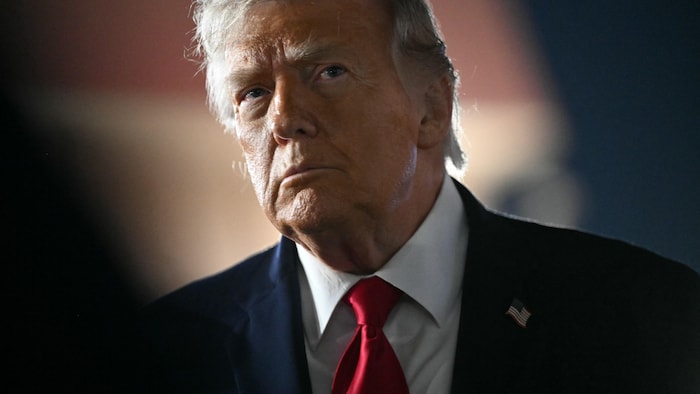
However, no progress was made in the talks with Washington after American envoys Witkoff and Kushner canceled their trip to Islamabad. President Donald Trump stated, “I don’t see the point of sending them on an 18-hour flight in the current situation. We can just talk over the phone. The Iranians can call us if they want. We’re not going to travel just to sit around.”
Iranian President Pezeshkian emphasized that Iran will not engage in forced negotiations under pressure, threats, or blockade.
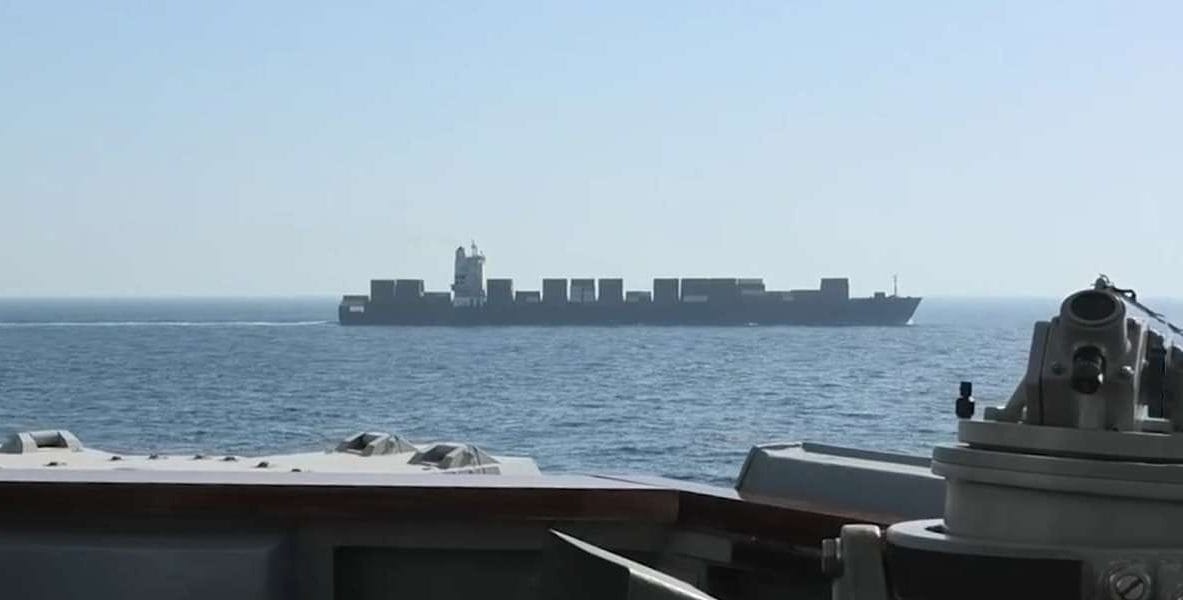
According to Axios sources, Araghchi informed Pakistani and Omani mediators that there is no consensus among Iranian leaders on how to respond to American demands. The US proposal aims to first resolve the Strait of Hormuz crisis and lift the American blockade. A long ceasefire, potentially ending the war, could follow, with nuclear negotiations once the strait is reopened and the blockade lifted.
US views the current blockade as a key leverage to obtain concessions from Iran. President Trump mentioned that Tehran has proposed a substantial but inadequate deal, suggesting that the war could end “very soon”.
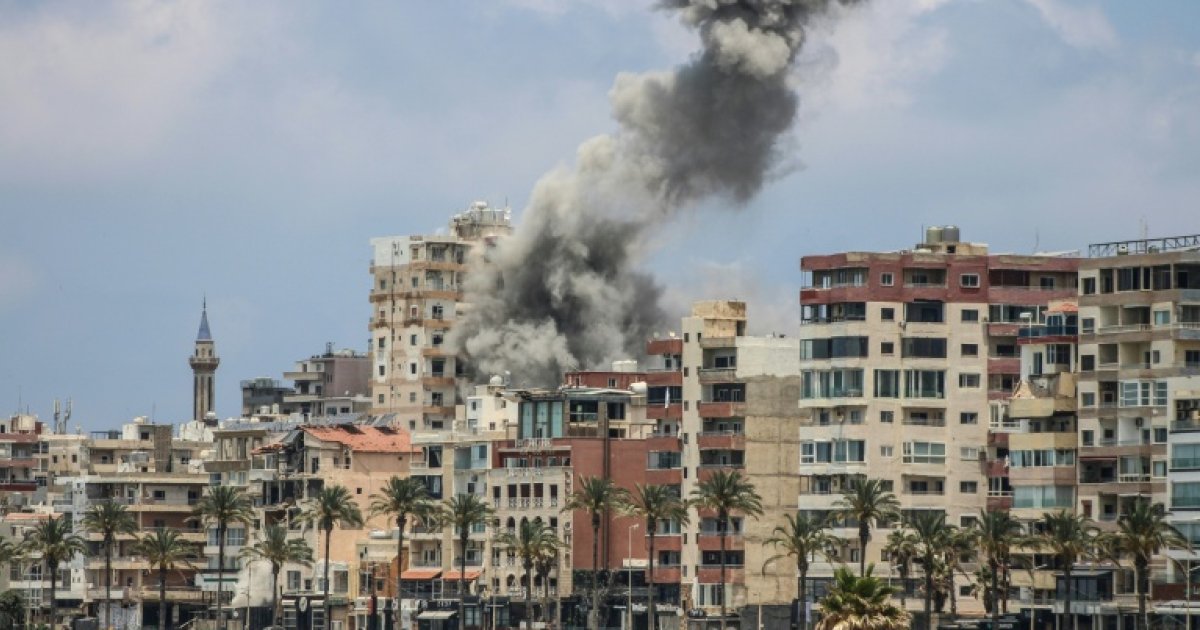
A ceasefire has been in effect since April 17, extended indefinitely on April 22. Today, President Trump is set to meet with national security and foreign policy advisors regarding Iran in the crisis room.
There is a possibility of resuming strikes, with the administration considering May 1 as a deadline following the 60-day notification to Congress regarding the operation against Iran.
Options to continue a military campaign without Congressional approval will be limited after this deadline, potentially leading Trump to launch new strikes before the deadline, risking Iranian retaliation and bolstering his argument for Congress’ approval to continue the conflict.