President Donald Trump met with Chinese leader Xi Jinping on Friday for a second day of discussions, concluding his state visit to China. The visit has resulted in a Chinese offer to help reopen the Strait of Hormuz, as well as a warning from Beijing that mishandling Taiwan could lead to conflict.
On Friday, Trump visited the Zhongnanhai compound in Beijing, where he had tea and lunch with Xi Jinping before returning to Washington.
“Hope our relations with China will be stronger and better than ever,” Trump wrote on Truth Social, praising Xi Jinping for his “extraordinary successes in such a short time.”
The talks have not yet yielded major economic advances, with Trump focusing on agreements in agriculture, aviation, and artificial intelligence. The summit has aimed to stabilize US-China relations and maintain the fragile truce established at the end of last year. In October, Washington agreed to reduce tariffs on all Chinese products while Beijing suspended restrictions on rare earth exports.
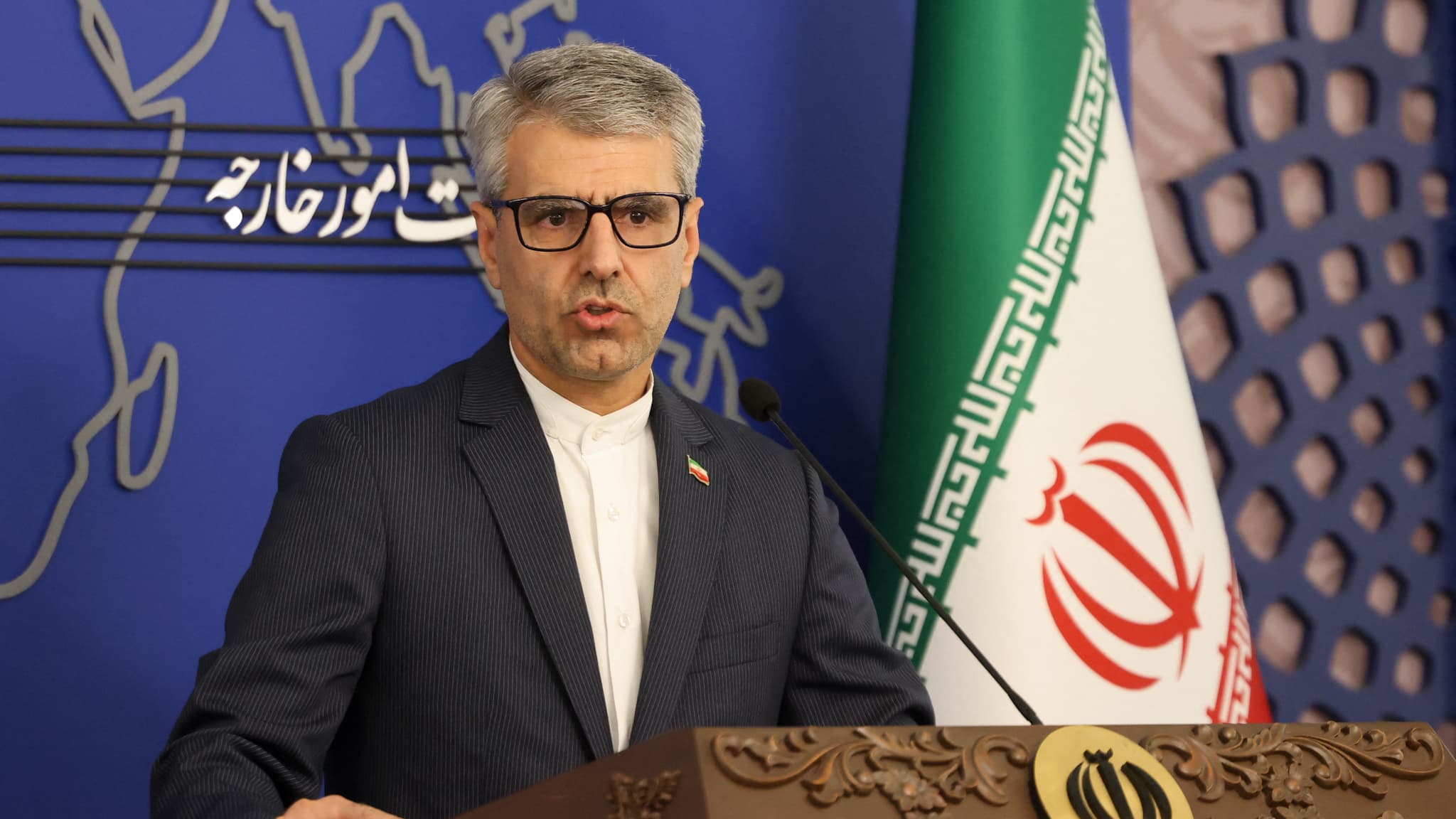
In addition to trade, the leaders made some progress on the issue of the Iran war. Xi told Trump that China wishes to help negotiate the end of the war and reopen the Strait of Hormuz. China’s significant dependence on Iranian oil could help influence Tehran to reach an agreement with Washington. Both parties agreed to keep the Strait of Hormuz open to support the free flow of energy. Trump also stated that China assured it would not supply military equipment to Iran.
Meanwhile, Taiwan has become a contentious topic, with Xi warning the US that disputes over the self-governing island claimed by China could lead to clashes or conflict. In December, the US approved an $11 billion arms sale to Taiwan but has not yet begun delivery. Secretary of State Marco Rubio warned that it would be a “terrible mistake” for China to take Taiwan by force.
As Trump concludes his two-day state visit to China, tensions remain high in the Strait of Hormuz. A ship anchored in the United Arab Emirates was seized and taken to Iranian waters, while an Indian-flagged cargo ship sank near Oman’s coast after being attacked. It is unclear who is behind these incidents, but Iran had previously warned it would seize “violent” tankers linked to the US. Chinese vessels have started passing through the strait following agreements on Iranian passage protocols.
Since the war with the US and Israel broke out on February 28, Iran has largely blocked navigation in the strait, which typically transports about a fifth of the world’s oil and LNG. Washington has imposed its own naval blockade on Iranian ports despite a fragile ceasefire in place since April 8.