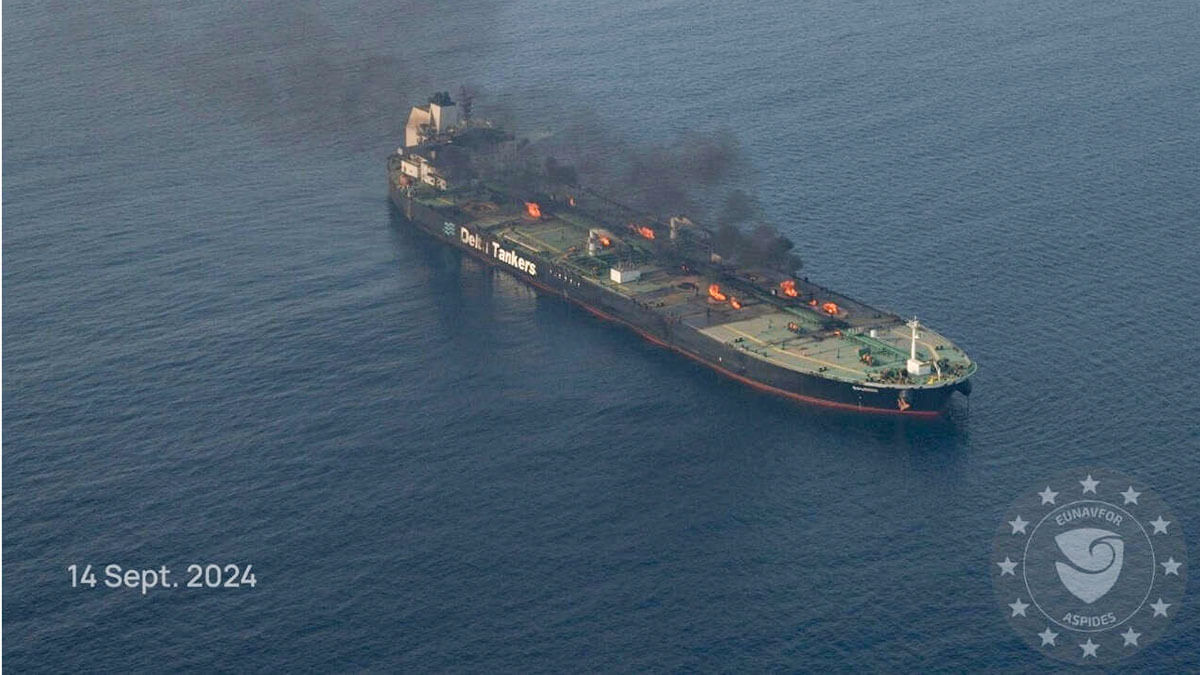
Two months after the start of the war in the Middle East, several African countries are alarmed by a worsening food crisis due to the blockade of the Strait of Hormuz and Bab El-Mandeb. These blockades, the first imposed by the United States to pressure the regime of the mullahs and the second imposed by the Houthis, Shiite allies of Iran, prevent or slow down the delivery of food aid to countries that depend on it the most.
While the repercussions of these blockades are often discussed from a geopolitical and armed conflict perspective in the media, Africa and its food crisis are largely overlooked.
This is detailed in the “Global Report on Food Crises,” published on April 24. Some 266 million people in 47 countries or territories experienced high levels of acute food insecurity in 2025 – nearly double the amount recorded in 2016. South Sudan and Sudan are among the most affected countries.
In Somalia, the American and Israeli war against Iran has become “a matter of life and death,” according to Reuters. Shortages of vital food, worsened by disruptions in maritime transport, are exacerbating malnutrition and the risk of an imminent famine.