British Prime Minister Keir Starmer, already in difficulty, is under even more pressure after a series of resignations on Thursday at the Defense Ministry, including that of Minister John Healey, who criticized the lack of resources allocated to the armies against a backdrop of rising security threats.
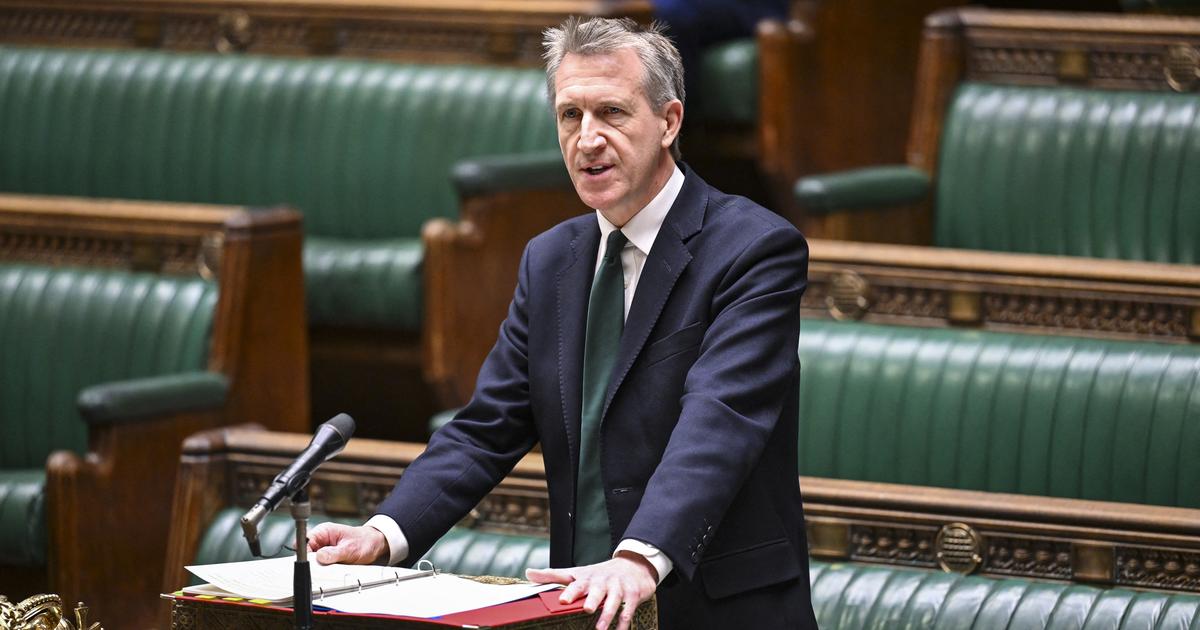
In the evening, Downing Street announced the appointment to Defense of Dan Jarvis, a former army officer who until now held the post of Secretary of State for Security within the Home Office.
For several months and despite concerns within the armed forces, the government has postponed the publication of its defense investment plan, initially scheduled for the end of 2025, against a backdrop of difficult budgetary decisions.
Dissatisfied with the final decisions, John Healey, executive heavyweight, announced his departure from the government on Thursday. He was followed in the evening by Secretary of State for the Armed Forces Al Carns, as well as one of his colleagues at the ministry, MP Pamela Nash.
“You have not been able, and the Treasury (Ministry of Finance, editor’s note) has not wanted to mobilize the resources that the nation needs to defend the country in this period of increasing threats,” lamented John Healey in his resignation letter addressed to Keir Starmer.
In response, the Prime Minister assured that he would “always do what is necessary to ensure the security” of the United Kingdom.
These cascading resignations are a new setback for the Labor Prime Minister, politically weakened for months and threatened by internal protest, one week before a crucial by-election.
They also place him in a delicate position on the international scene, a few days from a G7 with the wars in the Middle East and Ukraine in the background, and less than a month from the next NATO summit, on July 7 and 8, in the presence of Donald Trump.
The American president has repeatedly expressed his criticism of NATO, reproaching the allies in particular for their refusal to commit to his side in the war that he launched, with Israel, against Iran.
“This Labor government is implementing the largest sustainable increase in defense spending since the Cold War,” Keir Starmer insisted after the appointment of Dan Jarvis.
Aged 53 and MP since 2011 for a constituency in South Yorkshire, in the north of England, the latter served as an officer in a parachute regiment, notably in Kosovo, before missions in Sierra Leone, Iraq and Afghanistan.
Conservative opposition leader Kemi Badenoch said Keir Starmer’s mandate “is collapsing” following the departure of John Healey.
– Anxieties –
The British government has committed to increasing its defense spending to 2.5% of gross domestic product by 2027, then to 3% after 2029, and to 3.5% of GDP by 2035, in line with the target set by NATO.
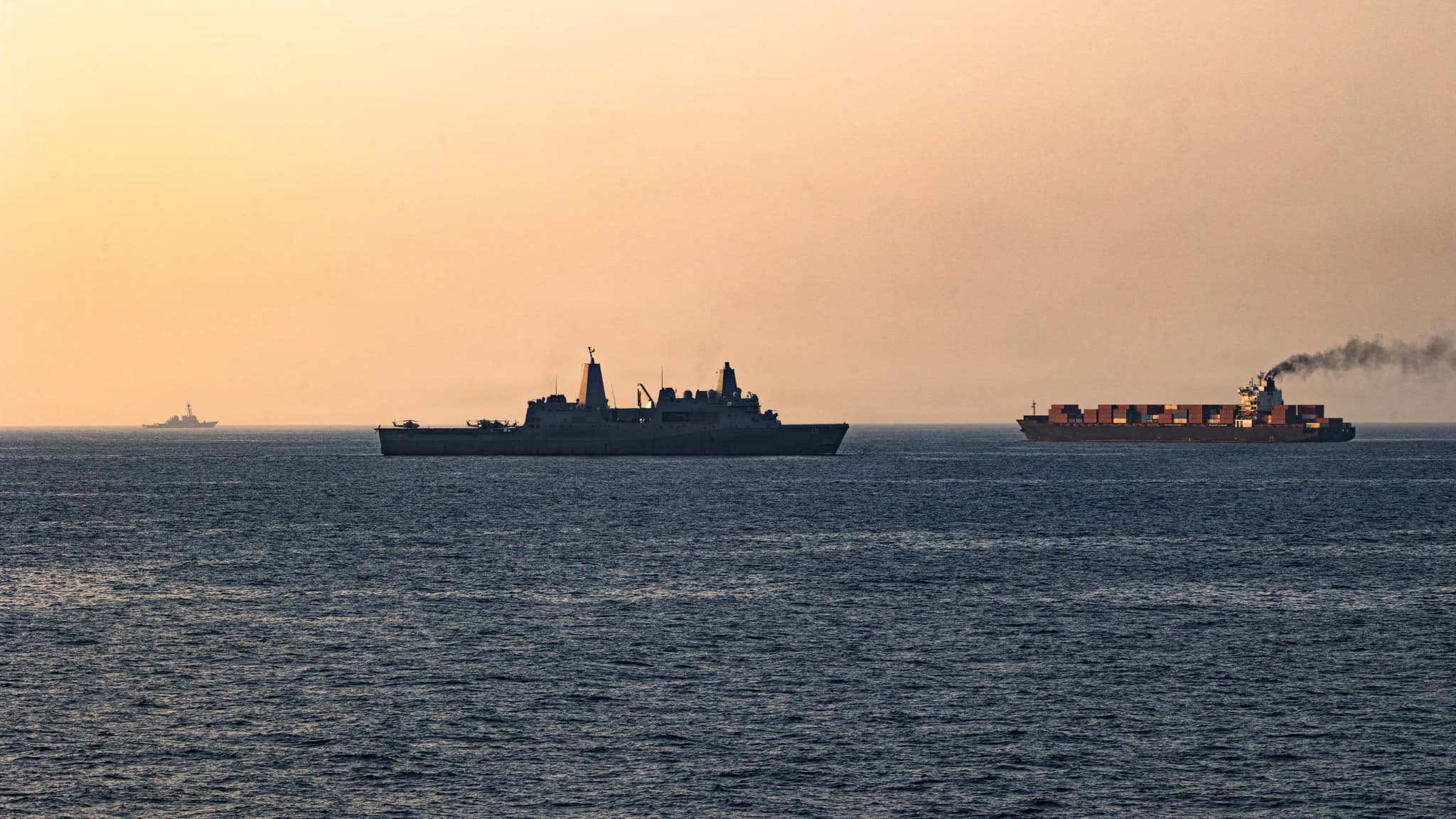
The war in Iran has recently revealed to the general public the limitations of the Royal Navy, which result from years of lack of investment and industrial delays.
Several army officials have raised concerns about the government’s dithering around the defense investment plan, saying it sends the wrong message to the defense industry and the UK’s NATO allies.
Last week, Chief of Defense Staff Richard Knighton warned that the United Kingdom must “spend more on its defense and faster”, highlighting the Russian danger.
On Thursday, a government source indicated that the executive had already cut the international aid budget to finance the military budget and that it will do the same “in other departments”, while several NATO countries face the same constraints to finance their defense commitments.
For Olivia O’Sullivan, from the Chatham House think tank, the issue is essential “in view of the role that the United Kingdom could be brought to play in European security if the United States withdraws further, or in supporting the implementation of a possible agreement in Ukraine.
published on June 11 at 11:17 p.m., AFP