French fighter jets deployed in the Middle East
Protected by defense agreements with Kuwait, Qatar, and the United Arab Emirates, France has deployed its combat aircraft to these countries facing threats from Tehran, stationed in the UAE and Jordan, quickly reinforced by at least six additional aircraft. “Each country ensures its air defense and we contribute to it,” explains General Julien Sabot from the “War Room” equipped with screens at Lyon Mont-Verdun base, where all French aerial operations are directed except for nuclear deterrence.
80% of the fighter aviation occasionally engaged
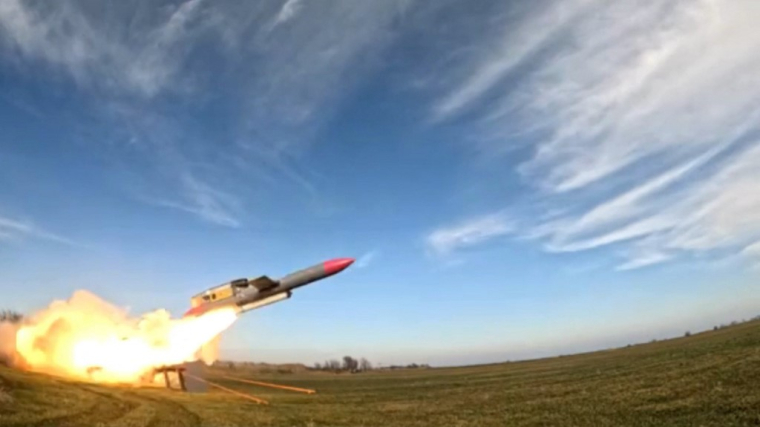
“It’s been two months since we’ve been on the front lines,” between training, sky policing missions, or nuclear raid exercises, “the engagement rate of our fighter aviation has occasionally been 80%, which is huge,” adds General Julien Sabot. In the first weeks of the conflict, about 80 Mica air-to-air missiles, according to informed sources, were fired by French Rafale against drones and cruise missiles.
In Orange Air Base in southern France, where he returned after a deployment in the region, Commander Quentin describes a “wall of radars and missiles set up to intercept anything that might come.” The Rafale aircraft were assigned a defense zone by the partner country – the Air and Space Army is instructed not to reveal the name – against any drone or missile intrusion.
During these patrols, “sometimes, it’s long, nothing happens at all, sometimes there are waves, hordes of drones, cruise missiles” to intercept, Captain Louis from Squadron 1/5 Vendée, also back from deployment, recounts. The aircraft were also on alert on the ground, able to take off within minutes to intercept low-flying drones slipping through the radar coverage. “This represented a significant volume in terms of sorties and activity,” according to Commander Quentin.
Experience accelerator
The Middle East has been an accelerator of experience for the Vendée pilots, of which “half of the detachment had never fired an air-to-air missile before,” says Commander Quentin. With each Mica missile costing over 600,000 euros and limited stocks, other means had to be quickly found to counter the mass of drones and missiles launched by Iran.
The UAE alone was targeted by more than 2,800 of them before the ceasefire, according to the UAE Ministry of Defense. The Air Force therefore deployed ground-to-air defense means in the region, including an SAMP/T system with a very costly missile, as well as two Fennec helicopters armed with a 20mm cannon or an onboard shooter. “We were in the second curtain, closer to sensitive areas in the lower layers, at low speed,” suitable for intercepting Shahed, confides Lieutenant Colonel Sébastien, head of the Fennec detachment. The Army also deployed Tiger combat helicopters for the same mission.