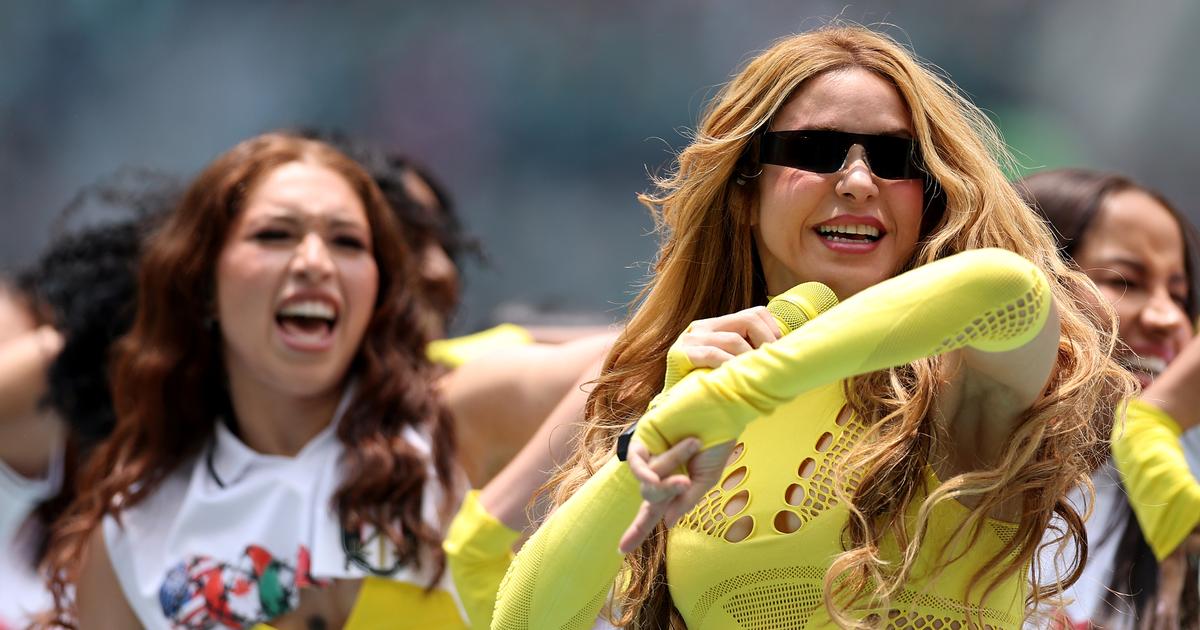
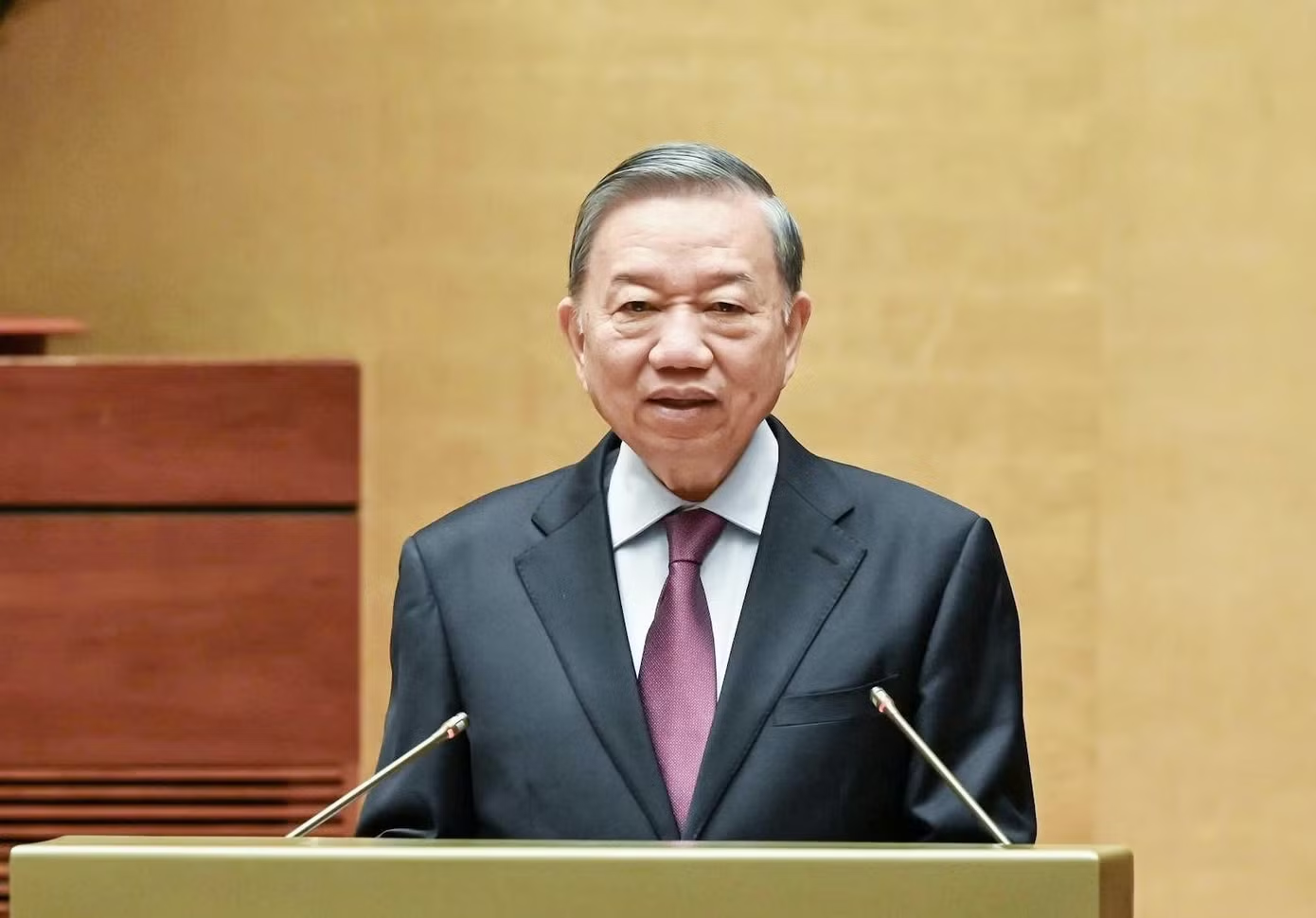
In recent days, the involvement of several singers and social media influencers in drug cases has caused great concern among the population. What is worrying is not only the illegal actions of these individuals, but more fundamentally, their negative impact on the perceptions, lifestyles and values of a section of young people – those who follow them, are inspired by them and idolize them.
Today, a singer or an influencer is no longer just an artist. In the age of social networks, every statement, image, action or lifestyle adopted can spread at lightning speed and generate considerable social repercussions. Therefore, celebrities not only possess influence, but also social responsibility.
1. Music is an important component of human spiritual life; joy, sadness, and individual, collective, and community activities all require songs, melodies, and tunes… And not everyone can put the language to music and be widely accepted; these are the talented individuals whose “mission” is to create rhymes and rhythms.
Throughout the country’s history, Vietnamese artists and writers, including generations of singers, have always been considered “soldiers of the cultural and ideological front.” Through their songs and performances, they helped to awaken patriotism, nourish the revolutionary spirit and inspire good lives for many generations of Vietnamese.
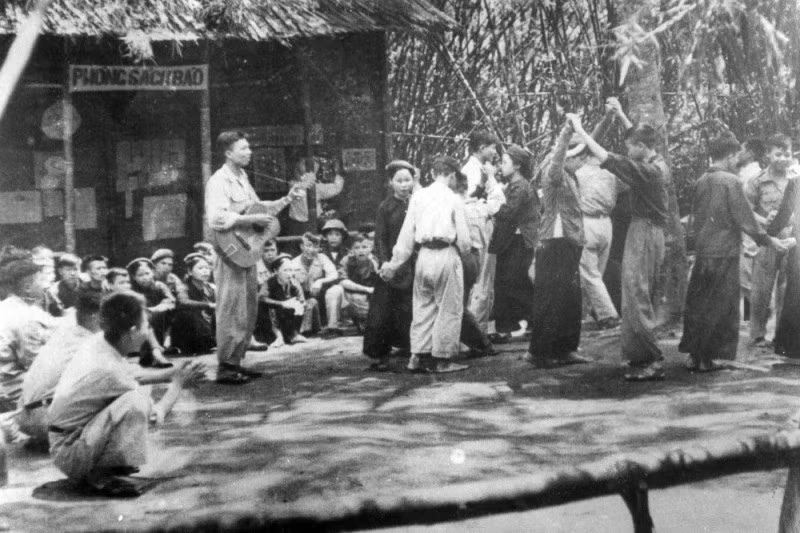
During the August Revolution and the resistance against French colonialism (1930-1954), revolutionary songs resonated like a call to arms, urging the masses to rise up and fight for national independence. Many artists, defying danger, participated directly in the performing arts shock troops, going to the battlefields to support soldiers and civilians at the front. At that time, singing was not only an art, but also an expression of faith and the spiritual strength of the entire nation.
Songs like “Destroy Fascism,” “Marching Song,” “Onward,” and “Guerrilla Song” resonated with rallies and patriotic movements of youth, students, and workers, becoming powerful revolutionary calls to action.
Especially after the August Revolution of 1945, when the country engaged in a long war of resistance against French colonialism, artists and writers truly became “soldiers on the cultural and ideological front.”
Many singers and musicians left urban stages to join war zones, performing with traveling cultural troupes serving soldiers and civilians on the front. They sang in the heart of the mountains and forests of Viet Bac, during night marches and along the roads used by civilian workers on the front lines. Their voices, then deprived of the spotlight and the cheers of the crowds, nevertheless carried immense spiritual value.
During the War of Resistance against the United States (1954-1975), revolutionary songs and battlefield performances galvanized the will and courage of the army and people across the country. “Singing drowns out the sound of bombs” was not just a slogan, but a testament to the essential role of art during the most difficult times in the nation’s history.
You may like



During this period, songs also served as a link between the rear and the front. Songs evoking homeland, family, love and national reunification helped ease the pain of separation and reinforced an unshakeable faith in the future of the nation.
2. After the reunification of the country, the task of culture and art was no longer only to serve the war effort, but to heal the wounds of war, to revive aspirations for development and to build a new life.
Songs praising the country’s homeland, peace and renewal, such as “The Country Filled with Joy”, “Spring in Ha Chi Minh City”, “Volunteering” and “Aspiration”, helped create a spirit of optimism and unity in the company.
Artists of this generation continue to shoulder a great social responsibility. They are not only interpreters, but also intermediaries who help promote the image of Vietnam and its people among international partners. In the process of integration, many Vietnamese singers have contributed to promoting Vietnamese music internationally and spreading the country’s cultural values.
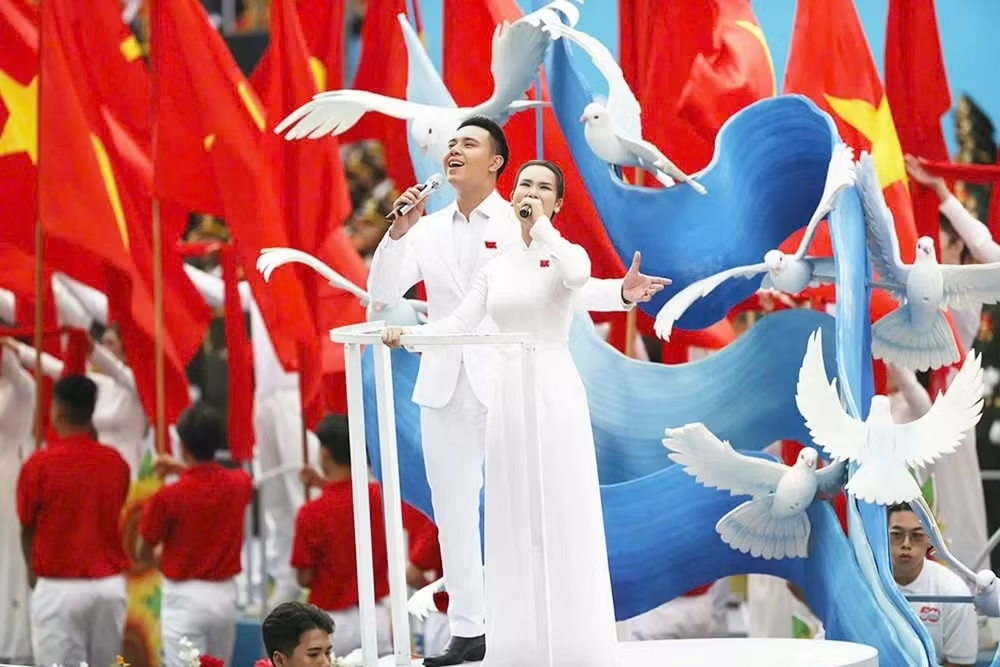
With the advent of the Internet and social media, the influence of celebrities has grown significantly. Today, a singer can reach millions of subscribers with a simple publication, a statement or a short video. As a result, their role and social responsibility are more important than ever.
Today, social networks are blurring the boundary between private life and public life. Bad behavior can quickly become commonplace if it is justified by fame, prestige or a large audience. This is why the more a public figure is known, the more he must know how to preserve his integrity. Talent may lead to stardom, but it is character that determines an artist’s lasting value.
When a person becomes a singer, artist or influencer, they must first and foremost be responsible for themselves. This responsibility involves preserving one’s integrity, one’s honor, one’s image and adopting a healthy lifestyle; to control one’s behavior and avoid temptations, deviant behavior or social vices likely to compromise one’s future. Celebrity can certainly bring glamor, but without self-discipline and a sense of responsibility, it’s easy to lose self-esteem and public trust.
Responsibility towards oneself breeds responsibility towards society. Public figures don’t just live for themselves; they exert a considerable influence on the community, particularly on young people. Each of their statements, actions, behaviors or lifestyles can become a model for many.
Therefore, celebrities must know how to spread positive values, live in a civilized and responsible manner, use their talents and influence to contribute to society and inspire people to lead fulfilling lives instead of having a negative impact on the community.
A celebrity can start trends. But a true artist must know how to create value. Because public figures must not only “shine”, they must also “live like flowers”, breathing beauty and elegance into life, positively inspiring the community and helping to form a young generation carrying ideals, responsibility and aspirations for a life blossomed. More than anyone else, they must understand that being a public figure is not only about being famous, but also about acting responsibly towards the community, the younger generation and the cultural future of the nation.
Mots clés :
#ResponsibilityOfYoungArtists #ArtistsFacingLegalConflicts #ArtistsAsCulturalWarriors
Source : https://congluan.vn/song-nhu-nhung-doa-hoa-trach-nhiem-cua-nguoi-noi-tieng-truoc-cong-dong-va-the-he-tre-post349708.html