|
|
Mr. Trump wants to acquire Greenland as a real estate asset. Source: 12.ua. |
Few places on the world map generate as much debate as Greenland. This island of barely more than 57,000 inhabitants, largely covered in ice and snow, nevertheless constantly figures in the strategic calculations of the great powers.
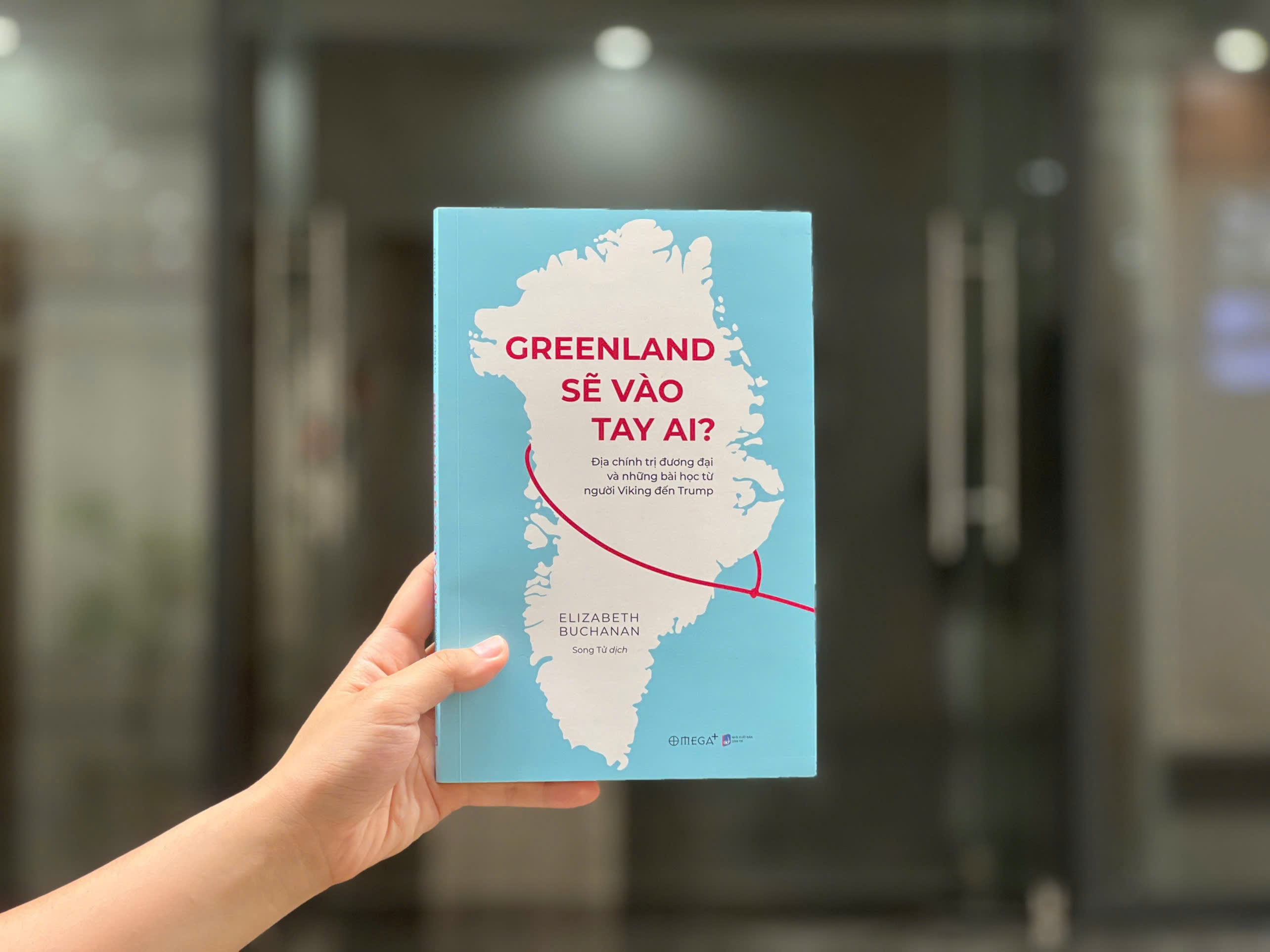
In his work *Who will take Greenland? *, geopolitics expert Elizabeth Buchanan traces more than a thousand years of Greenland’s history to explain why the island is increasingly attracting the attention of the United States, Denmark and other major powers. From there, the book raises a larger question: what makes this island so important in the 21st century?
From the periphery to the “nodal points” of power.
Long considered an isolated land on the edge of the world, the island of Greenland has nevertheless, through its history, maintained links and strategic interests with the North Atlantic region.
The Vikings arrived here around 980, making this place an isolated outpost of the Norse world. Their presence lasted for centuries before their mysterious disappearance around the 15th century – a historical question that remains unanswered: was it the harsh climate, the disruption of trade or simply geographic isolation that caused the disappearance of this community?
After the Viking Age, Greenland gradually came under Danish influence, becoming a colony and then an autonomous territory. However, its unique geographical location meant that it was never really outside the strategic calculations of the great powers with interests in the North Atlantic.
Even during World War II and the Cold War, Greenland continued to play a crucial role. Military bases, early warning radar systems and American presence have made the island an element of the security architecture of the North Atlantic, becoming an essential link in the defense structure of North America.
At the start of the 21st century, climate change is causing the melting of millennia-old ice caps, opening up access to mineral resources and new maritime routes in the Arctic. As a result, Greenland has become increasingly attractive to the great powers, notably the United States.
From the perspective of this superpower, Greenland is geographically closer to North America than to Europe. It is in this context that Donald Trump’s declaration concerning his desire to buy Greenland is not only controversial, but also underlines the special place that this island occupies in American strategic calculations.
You may like

 |
|
Who will be lucky enough to get the book on Greenland? (Photo : OP) |
Four scenarios for Greenland in the 21st century
After retracing the history of Greenland, Buchanan devotes the last part of his work to examining the different possible paths for the development of the island in the 21st century. It presents four scenarios, not as definitive predictions, but to outline the choices likely to shape the future of Greenland.
The first scenario envisages a gradual separation of Greenland from Denmark. According to the author, this is the “quietest” scenario, in which Nuuk and Copenhagen reach a gradual agreement on the transfer of skills. Greenland is thus moving towards independence while maintaining stable relations with Denmark.
The second scenario envisages independence in this conflict. Greenland firmly claims self-determination, while Denmark reacts to protect its strategic, economic and security interests. This process could be long and conflictual, and tensions cannot be ruled out.
The third scenario envisages the annexation of Greenland by the United States, a possibility raised in political debates, notably after the proposal to buy Greenland by Donald Trump. However, Buchanan believes that this scenario is currently unlikely due to the lack of popular support in Greenland.
The last scenario involves maintaining the status quo. Greenland remains an autonomous territory of Denmark, while the United States and other powers increase their influence through economic, scientific, military and diplomatic means.
It is important to note that no scenario completely excludes the others. Greenland could simultaneously move closer to autonomy, while being further drawn into great power competition. This is precisely the point that Buchanan wishes to emphasize: Greenland’s future is not linear, but marked by constant tension.
From these scenarios, the book raises a broader question: in the modern world, does “owning” land still equate to controlling it?
Buchanan suggests the answer might be no. Today, power resides not only in territorial sovereignty, but also in the ability to access, influence and shape strategic decisions.
You may like

This book demonstrates that Greenland is much more than just an Arctic island. It is a place where geography, resources, security and international balance of power converge. And perhaps, as the book suggests, the essential question is not only who will own Greenland, but what role this island will play in the evolution of the geopolitical order of the 21st century.
Source : https://znews.vn/tai-sao-greenland-thanh-tam-diem-dia-chinh-tri-toan-cau-post1656022.html