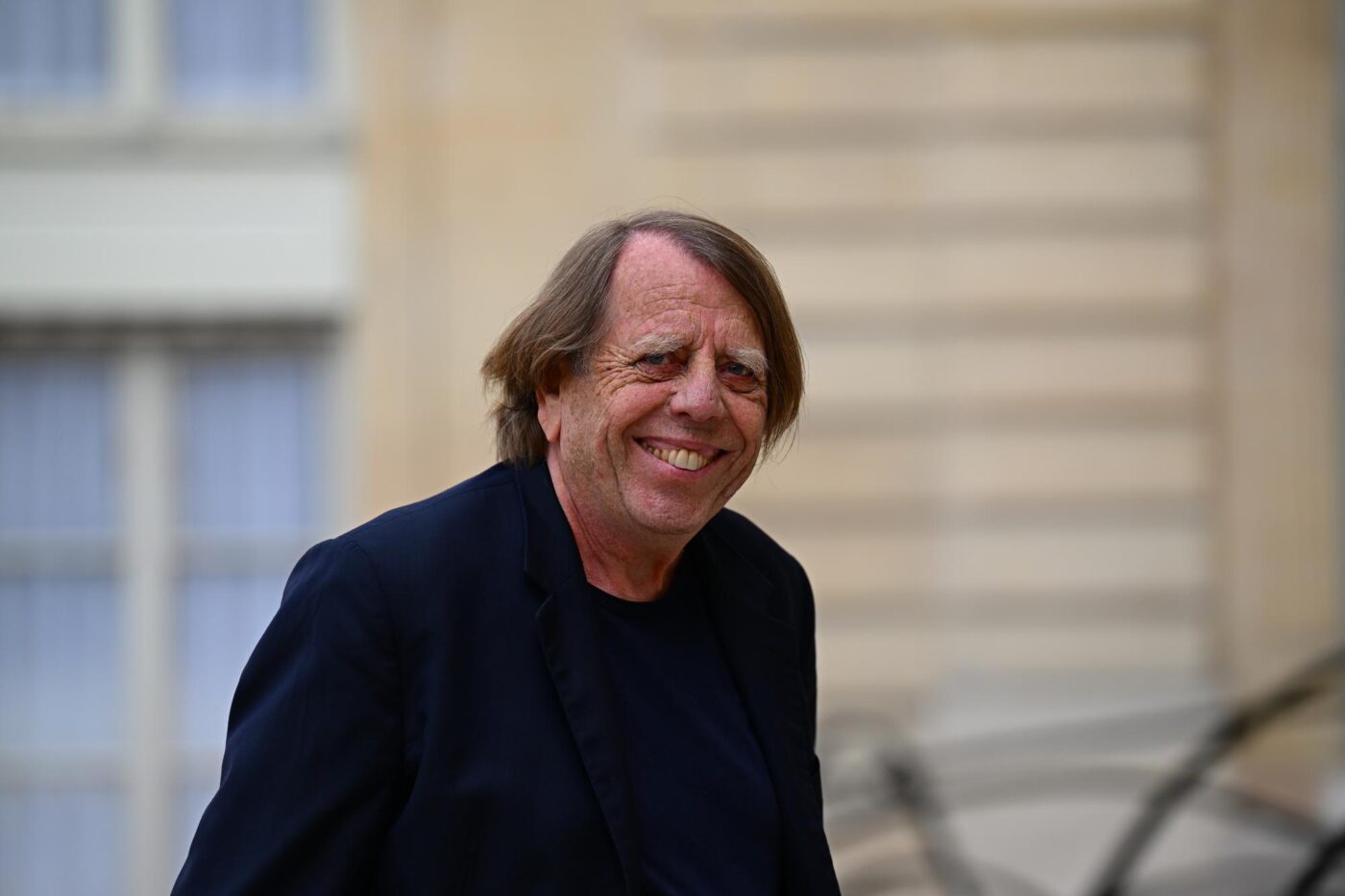
Geopolitics is present from high school, then in prep. What really changes when you teach it in management school?
There is continuity, of course, but also elements of rupture. At high school, it is a first acculturation to major geopolitical questions, with an already very dense program. In preparatory class, we go much more in-depth, at a rate of seven hours per week for two years. The objective is for a student to know how to read Le Monde, Les Échos or the New York Times in really understanding what is happening, the issues at international level. We provide knowledge of the past and present to better understand the world. At the Grande Ecole, things are changing because it is no longer just about understanding the world, it is about transforming it.
How does this evolution translate concretely into your teaching?
My course in school is more oriented towards foresight and decision-making. This is why, for example, I co-hosted a conference today with Mathilde Guilhon, professor of strategy. Strategy is the art of making decisions. Geopolitics in schools mixes with other disciplines to train managers capable of acting, not just analyzing. In school, we do applied geopolitics, and to apply it, we need other disciplines. Strategy was born in the military domain 2,500 years ago, the strategist being the general among the Athenians, but there is a real continuity up to today’s business strategy.
You teach prep school geopolitics. How do you view the connection between the two levels?
I know these programs well having built them. What we wanted was that after two years of geopolitics in prep, a student can read international news with a real reading grid. In school, we go further into theories, precisely because they allow us to have models to account for reality. For example, behind Trump’s permanent changes in attitude, there is a massive financial constraint weighing on the United States and which will continue regardless of the next president. This type of bottom line allows us to better understand the moment, beyond the daily hustle and bustle.
In such an unstable world, how can you teach a geopolitics class without being overwhelmed by current events?
You have to know how to detach yourself from the rawest news, which changes almost every day, to look for the main logic. I often tell my students thatyou have to put yourself in the position of an anthropologist observing a distant societyas if we were looking from Mars, for two or three hours. It then becomes absolutely fascinating. And we can clearly see that the students are very receptive, perhaps also a little lost in the face of the complexity of the world, but very much waiting for reading keys. The numerous questions asked at the end of today’s conference bear witness to this.
Do you have the feeling that geopolitical news makes your students more receptive than they were a few years ago?
Yes, clearly more receptive, but also more destabilized. The world is objectively less easy to understand than it was ten years ago. These are subjects that cannot leave anyone indifferent, and the students feel it. What will be interesting to observe in a few years is how they will mobilize this knowledge once in business.
In fact, SKEMA launched a geopolitics school in 2022. What are the first results?
We were pioneers, and the first students trained in this program are now entering the job market. Several have joined consulting firms specializing in geopolitics. The hope is obviously that the initial training has given them a skill and appetite superior to those of other candidates. It’s still early to draw a definitive assessment, but the first signals are encouraging.