The European aviation sector, and more particularly in the German-speaking zone (Germany, Austria), is going through a zone of strong turbulence. Between a tax pressure considered overwhelming, a shortage of kerosene and persistent geopolitical tensions,the low-cost airline model is faltering,airlines are reducing their wingspan and cause ticket prices to skyrocket. Faced with this explosive cocktail, travel agencies are worried, while “land” tourism is doing well.A change that reshuffles the distribution cards?
The toxic cocktail of air travel: record taxes and the oil crisis
The aviation sector, particularly in the German-speaking area, is caught in a vice. To

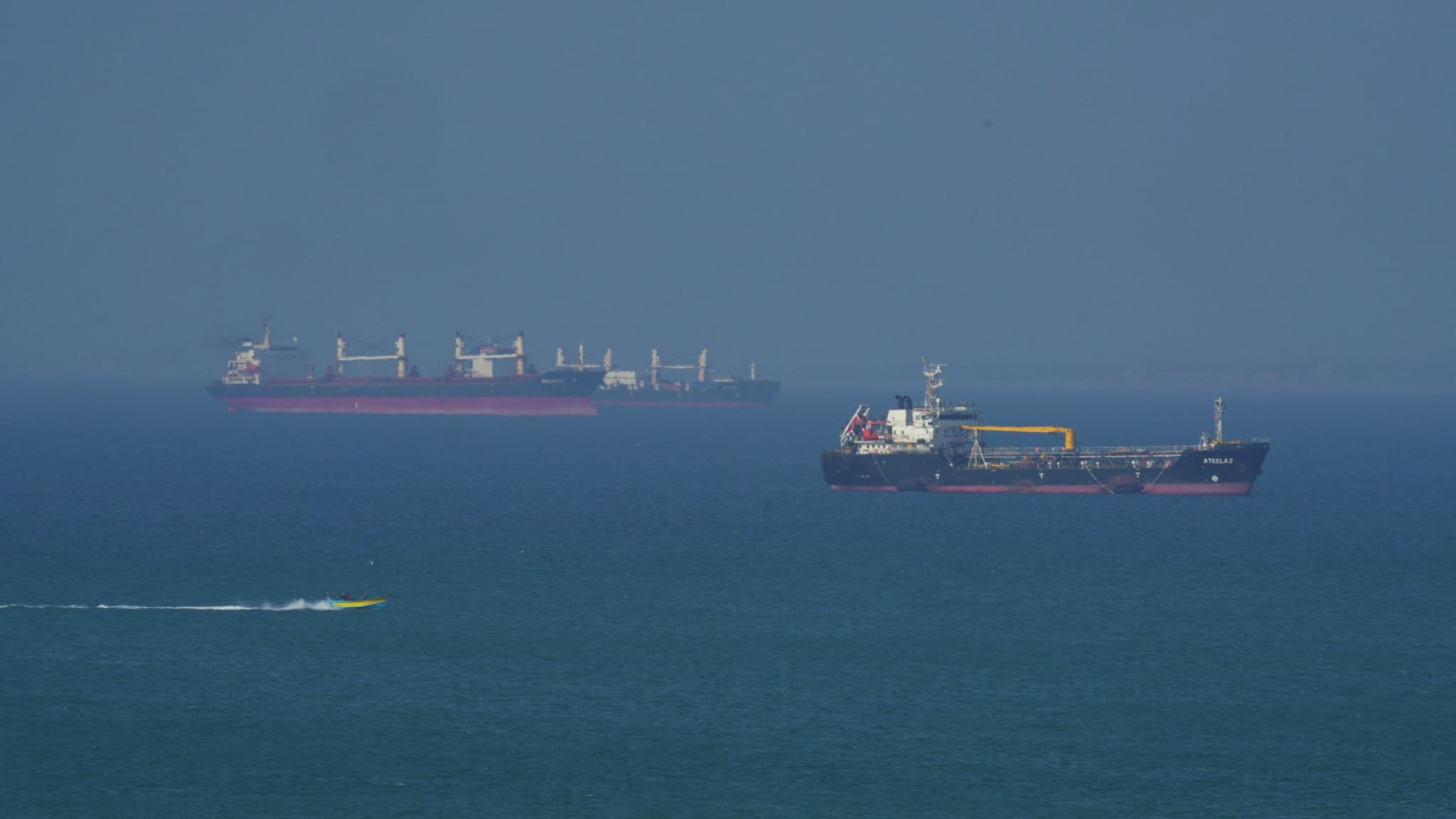
heavy environmental taxes are now added to the direct impact of the war in the Middle East and Iran. This conflict not only causes massive detours to avoid areas of tension, but above all it propels the price of kerosene to critical levels. Also airlines fly “slowly”!
In Germany and Austria, airport costs are reaching heights considered irrational by carriers. For a commercial jet such as Airbus A320, state fees in Germany amount on average to 17 991 € per rotation, compared to an average of only 4 392 € in neighboring countries. With an air tax that can exceed €58 per passenger, the economic equation is broken. This therefore weighs heavily on competitiveness.
The radical response of low-costs
To avoid going under, airlines (Ryanair, Wizz Air, EasyJet, and even Austrian Airlines) are deploying radical strategies. Refusing to fly at a loss, they are massively relocating their fleets to more fiscally lenient skies.
Even more spectacular: the use of « Deep Storage » (long-term storage). Companies prefer to voluntarily ground their aircraft rather than assume current operating costs and fly at a loss. By thus making the supply scarce, they mathematically explode the price of the few remaining tickets, while blackmailing their historical bases for employment and subsidies. Excess capacity is rented (wet-lease), while companies put pressure on their historical bases to obtain tax relief or risk packing up.
Hyper-proximity: the new safe haven
If travel agencies are worried about the drop in sales of long-distance packages and traditional distributors are suffering the blow with declining turnover and gloomy forecasts, another part of the industry is squeezing out the champagne: land tourism (accessible by train or car). Driven by the expectations of Generation Z and active seniors, this sector is exploding. Mental health, wellbeing and resilience have become the new booking drivers.
How is the decline towards land-based tourism increasing?