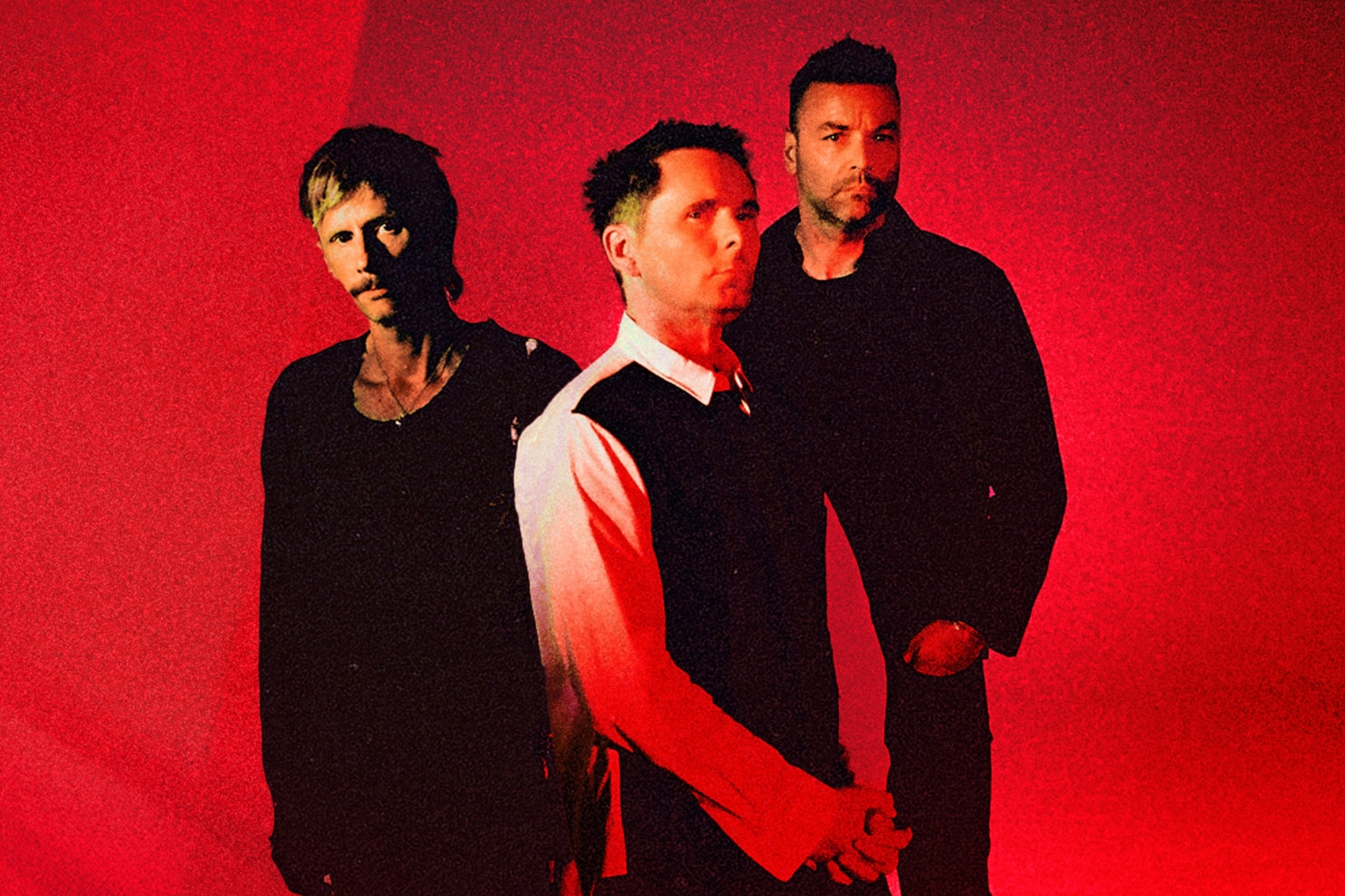
President of the Cluster 17 polling institute, Jean-Yves Dormagen is also a professor of political science at the University of Montpellier. It deciphers the balance of power between the different political families one year before the presidential election.
How to understand the polls one year before the election?
Polls one year before the election are not predictive of the result. Sometimes, it is not the same candidates who end up presenting themselves, Dominique Strauss-Kahn, for example. Some are forced to give up or are eliminated from the competition. Others, not tested at the start of the campaign, become significant candidates. And then the campaign modifies the balance of power.
But they give indications about the balance of power today. This gives an idea of the weight of a radical left, a moderate left, the Macronist space, the liberal right, the conservative right, and it gives an idea of the popularity of certain candidates one year before the election.
So, today, what major trends are emerging?
What is striking is how fragmented the political landscape is. There is the dominant bloc of the National Rally, much stronger than the others. One year before the election, he has almost a third of the votes.
And all the other families are very fragmented. You have a space of the traditional conservative right, today rather embodied by Bruno Retailleau, who weighs around 10%. There is a space in the center with several potential candidates, where Édouard Philippe is currently in a leadership position, which, depending on the configuration, also weighs around 15%, or even a little more, but it remains relatively limited.

You have the space of the left of rupture, around Jean-Luc Mélenchon who also has a little more than 10% of the votes. And then the space of the more moderate, more social democratic left, which today could be embodied by Raphaël Glucksmann, with François Hollande who would also like to try to present himself, and who also weighs a small 10%.
Un éclatement inédit…
It’s relatively new. We are beyond the tripartite of five and ten years ago. And we are obviously very far from the bipolar left-right space of the 70s, 80s and even still 90s.
Bardella or Le Pen, does that change public opinion?
Marine Le Pen had a small advantage over Jordan Bardella a few months ago. But since his conviction and since Jordan Bardella has become a potential candidate, and perhaps even the most likely, their levels are quite equivalent. Basically, voters seem to vote RN, whether it is Bardella or Le Pen who embodies it.
But it is difficult to imagine the RN winning the presidential election very easily. And the weaknesses of Bardella and Le Pen are in reality somewhat the same. With this deficit of experience, for slightly different reasons, they both have difficulty embodying what we call presidentiality.
The international context and its repercussions on the national level will play a lot during this election, in your opinion?
It will depend on developments in the international situation. But I think that the international context, for once, is more of a problem for the RN than for the other parties. Because for example, today, he has very ambiguous positions on the European Union, while, overall, the context has created in the population a majority demand for protection, and in particular a demand for protection on a European scale.
And on these subjects, the RN is very unclear. It cannot be, moreover, because some of its voters want to leave the EU. And its historical ties with Russia which are also a problem.
And then there is the fact that Donald Trump is the leader of a radical right international. He is therefore a disruptive element for the extreme right and the European radical right because Trump is very rejected in Europe. And in particular in France.
:fill(black)/2026/06/12/6a2bec4b439d4699079284.jpg "Coupe du monde : les stades de la démesure")