The strategic foundations of security and development
A country’s international relations (IR) define its official interactions, foreign policy, and relationships with other nations, international organizations, and non-state actors in the areas of security, trade, and multilateral relations. IR concerns the study and management of all external relations, encompassing not only cooperation with partners, but also the management, response and defense of national interests through diplomacy, foreign policy and negotiation, while strengthening international integration to promote economic, political and cultural cooperation. They constitute an essential strategic tool for maintaining a peaceful environment, attracting investments and technologies, and shaping the rules of the international game.
In Vietnam, just like military force, the international relations (IR) strategy constitutes a soft power lever determining the success of national construction and defense. The support of friendly countries during the War of Resistance against the United States (1954-1975) played a strategic role, creating an immense collective force. In his historic will, President Hô Chi Minh envisioned that after the liberation of the South and the reunification of the country, he would visit brother countries and international friends who had supported the resistance against the United States in order to thank them. It was not only a deep expression of gratitude for international solidarity, but also proof that the national leader’s strategic vision of the importance of IR played a crucial role in Vietnam’s eventual victory.
After more than 40 years of reforms and international integration, Vietnam has made considerable progress of major historical importance. It gradually became more involved in international economic and political life, developing strategic partnerships and global strategic partnerships with many countries. In doing so, it has expanded its development space, enhanced its resources and strengthened its position and prestige on the international scene. In this reform process, international relations play an essential role in protecting Vietnam’s sovereignty, security and economic development. They truly constitute a strategic vision aimed at preserving the population, power and prosperity of the country.
Enhance international relations in the new context.
However, this new context also imposes increasingly high demands on the development of IR in order to guarantee their independence and autonomy, particularly strategic, in key areas such as the economy, science and technology, digital transformation, data security, energy security and the protection of national cultural identity.
Although international relations encompasses many different areas, international relations professionals generally focus on three fundamental areas in order to maximize external resources, ensure national security, and facilitate development:
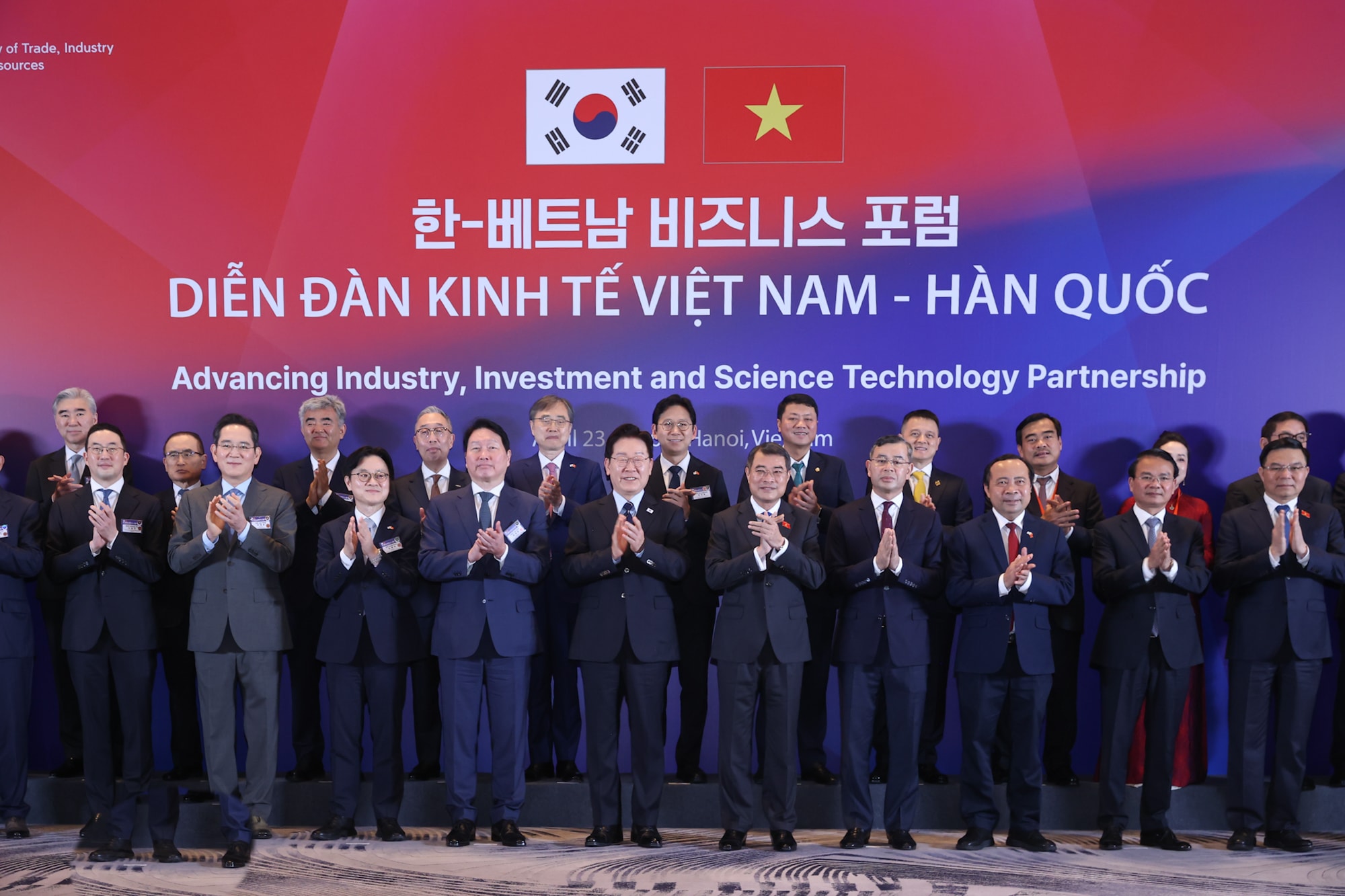
First in terms of foreign relations and policy, Vietnam favors the development of bilateral and multilateral policies aimed at protecting its territory from a distance and adapting to changes in the situation. It is also about developing strong and lasting political partnerships with regional and international actors, such as ASEAN, Northeast Asia, the European Union and the Asia-Pacific region, in order to seize opportunities and address common challenges in security and economy, and thus counterbalance competition and adversaries. To date, Vietnam has increased the number of countries with which it maintains comprehensive strategic partnerships to 14, including the five permanent members of the United Nations Security Council. It should be noted that, despite the four “no’s” (no foreign policy, no foreign policy, no security, no defense…), Vietnam has always refused to engage in strategic partnerships.
In the digital age, it is necessary to research and develop policies for the development of international communication infrastructures, such as digital communication platforms, new social networks and digital security, as well as to establish a database identifying the different laws and standards around the world.
In addition, policies should be formulated to promote and disseminate national cultural identity through economic opening, encouraging Vietnamese to work, study and settle abroad, as well as Vietnamese residing abroad, in order to strengthen resources. intangible assets of the country.
Second international integration: a highly developed form of international cooperation, it plays an essential role in international relations and encompasses the integration of aspects of national life into international standards. It strengthens global connectivity and interdependence, in economic, political and cultural areas. International integration often involves the development of regional agreements, free trade agreements and the strengthening of diplomatic relations.
However, in today’s world, protectionist policies have led to a profound restructuring of global supply chains, shifting pure economic efficiency into balance with economic security, and multilateral cooperation into protectionism. Three major trends are also emerging on a global scale: the transfer of production to trusted allies (friendshoring), the bringing of production closer to consumer markets (nearshoring) and the relocation of production lines. It is therefore necessary to effectively implement Resolution No. 59-NQ/TW on international integration and move from primarily economic integration to comprehensive, deep, proactive and high-quality international integration, developing the five core resources in the spirit of ” cooperation and competition.” This involves strengthening trade, financial and investment ties, reducing the informal economy and creating a more stable business environment to attract foreign direct investment (FDI).
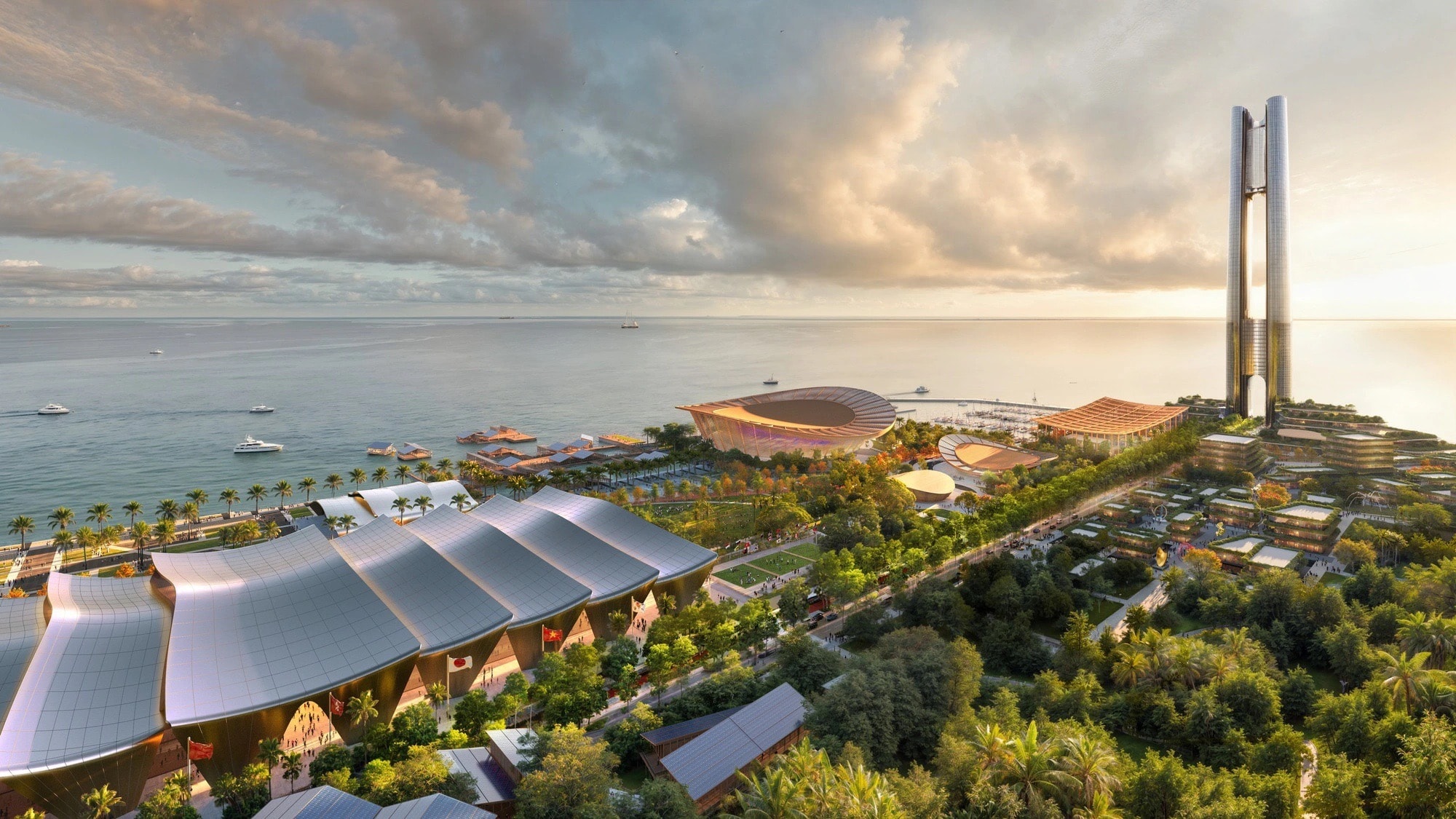
Conduct global market research and financial data analysis to track economic trends, detect suspicious transactions, monopolies, unfair competition, currency manipulation, devaluation and artificial inflation of commodity prices, in order to implement tariff and non-tariff systems adapted to protect the internal market. Expand the Vietcham network in key markets to provide more opportunities and a better understanding of foreign markets to SMEs, and to contribute to the resolution of international trade disputes. More particularly, it is essential, in the immediate future, to actively prepare to host the 2027 APEC Summit in Phu Quoc (An Giang) and to create the conditions for businesses to fully participate, in order to strengthen the international influence of the region, the business community and the country.
Third sustainable development. International relations constitute an essential form of social capital, relying primarily on transnational institutional systems that act as intangible assets, enhancing cooperation and economic benefits, and facilitating the exchange of resources. Therefore, policies are needed to develop capacity and human resources through investments in education and international relations skills training. In this process, the development of the qualities of leaders at all levels, in all sectors and all localities, in connection with diplomacy and international relations, is of increasing importance. Leaders must conduct effective diplomacy, knowing how to negotiate both with their partners and with their competitors: the latter exert pressure to stimulate innovation and improve efficiency; partners bring resources, markets, technology and supply chain cooperation to increase growth prospects.
Furthermore, strengthening capacities for proactive participation, contribution and progressive development of regional and international rules of the game, as well as institutional development, is considered an essential condition for protecting Vietnam’s interests and asserting its position and role in an increasingly international environment. more complex. It is therefore necessary to promote participation in international bodies and organizations in order to develop the economy, provide humanitarian aid and implement the Sustainable Development Goals (SDGs). In addition, climate change constitutes a global challenge that requires large-scale international cooperation policies for the establishment of early warning systems for natural disasters and the development of sustainable agricultural, irrigation and energy infrastructure.
Source : https://daibieunhandan.vn/chien-strateg-quan-he-quoc-te-trong-ky-nguyen-moi-10415422.html