
KYLE MAZZA / NurPhoto via AFP
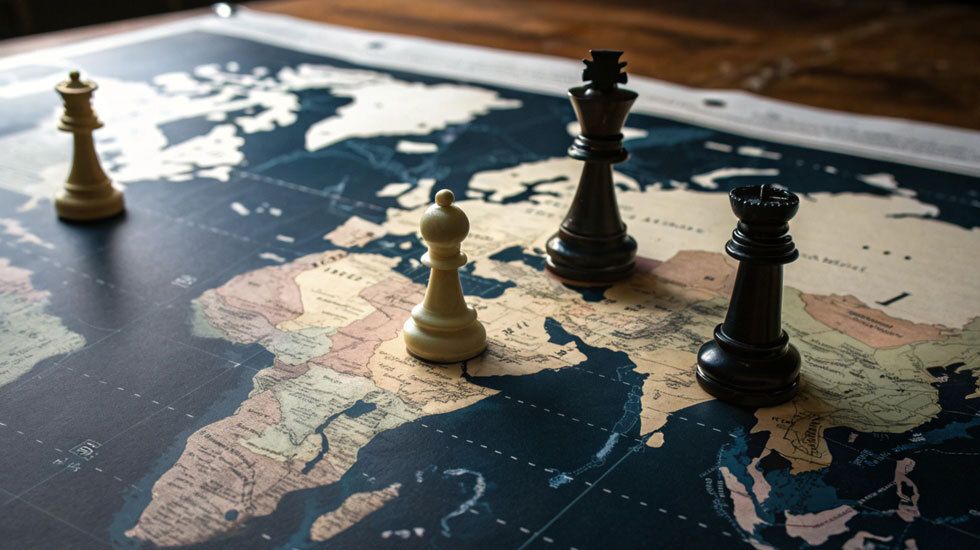
The Iran and Trump threaten, the blackmail around the Strait of Hormuz is far from over. (illustration photo)
The Strait of Hormuz is still making headlines. After announcing the day before the complete reopening for commercial ships, Iran threatened on Saturday, April 18 to close this strategic maritime route if the United States maintained their blockade of Iranian ports.
“If the blockade continues, the Strait of Hormuz will not remain open,” said the President of the Islamic Republic’s parliament, Mohammad Bagher Ghalibaf, emphasizing that ships must pass through the strait “with Iran’s permission.”
Problem: Donald Trump evidently has no intention of lifting the blockade. He declared on Friday night that he would maintain it if no peace agreement is reached with Tehran, also mentioning the possibility of not extending the ceasefire set to expire this Wednesday, April 22. “I might not extend it, but the blockade will continue,” warned Donald Trump on Air Force One when asked by journalists about his plans if there’s no agreement with Iran.
Washington and Tehran contradict each other over enriched uranium
But “I think it will happen,” added the White House tenant regarding the potential peace agreement. The resumption of traffic in the Strait of Hormuz announced on Friday was welcomed by markets and in Washington, with Donald Trump stating to AFP that a peace agreement was “very close,” and claiming that Iran had agreed to hand over its enriched uranium, a negotiation point.
“We will go get it, and we will bring it back to the United States soon,” said the Republican at a gathering of the conservative Turning Point USA movement in Phoenix, Arizona. The United States will retrieve “the nuclear dust” with the help of “a lot of excavators,” he added. “We’re going to need the biggest excavators you can imagine.”
But Tehran denied agreeing to transfer its highly enriched uranium stocks. “Iran’s enriched uranium will not be transferred anywhere,” stated the spokesperson for the Iranian Ministry of Foreign Affairs on state television.
A second round of talks planned under Pakistan’s auspices
The announcement on Friday by Iran of the full reopening of the strait to commercial ships during the ceasefire period, as the truce between Israel and the pro-Iranian Hezbollah in Lebanon takes shape, has brought a cautious hope for peace in the Middle East. It led to a drop in oil prices and a rebound in European and American stock markets, after five weeks of devastating warfare for the global economy.
“Thank you!” immediately tweeted Donald Trump on his Truth Social platform, specifying that the American blockade of Iranian ports will remain “fully in force” until the end of negotiations, and it “will continue” if no agreement is reached at the end of the talks. These talks are ongoing, under Pakistan’s auspices, to organize a second round of discussions between Tehran and Washington, following the first in Islamabad last weekend.



:fill(black)/2026/06/12/6a2bf72c44adf656066407.jpg "Scènes de fêtes au Mexique pour louverture du Mondial")
