TEHRAN: Iran considered the resumption of hostilities with the United States unlikely on Wednesday, despite recent American strikes, and against a backdrop of laborious diplomatic negotiations to put a lasting end to the war.
At the same time, as one more step towards a return to normal, internet access has been partially restored in Iran, according to cybersecurity monitoring NGO NetBlocks. And in the sky, traffic has now fully resumed in 10 airports across the country.
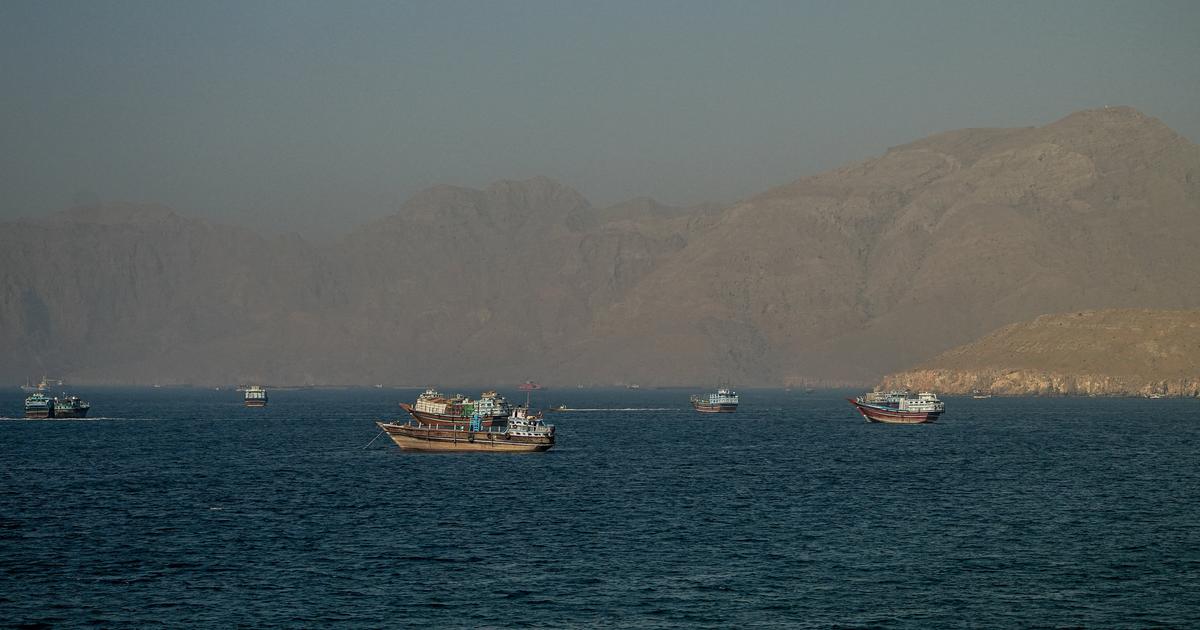
If the weapons have almost fallen silent since April 8 after more than a month of Israeli-American strikes which left thousands dead, negotiations have stalled since. And Iran’s blockade of the Strait of Hormuz continues, sending oil prices soaring as well as exchanges of threats.
“The probability of war is low due to the weakness of the enemy,” Mohammad Akbarzadeh, a senior official in the Guardian naval forces, said on Wednesday, quoted by the Tasnim news agency. But “the armed forces are on alert, their magazines full”, he added, vowing to “transform the area” going from the east to the west of the Gulf into “a cemetery for the aggressors”.
The day before, the Islamic Republic had already threatened to retaliate against any “malicious act”, accusing Washington of having violated the ceasefire in the south of the country.
The American command for the Middle East (Centcom) had announced earlier that it had struck missile launch sites during the night from Monday to Tuesday.
Iran has not officially confirmed the information, but state media reported explosions in the port city of Bandar Abbas.
While Muslim countries celebrate Eid al-Adha, the major festival of Islam, Iranian President Massoud Pezeshkian delivered on this occasion a message against “the tyrants of our time”.
“Overall positive”
On Wednesday, oil prices fell again and European stock markets opened slightly higher.
If market enthusiasm has waned after the positive signals of the weekend, “there remains an air of cautious optimism regarding the signing and details of a memorandum of understanding (MoU) between the United States and Iran”, comments Chris Weston, head of research at the broker Pepperstone.
Because the dialogue is not broken: the Iranian agency Isna reported “generally positive negotiations” after the visit of senior officials to Qatar, a first since the start of hostilities.
The purpose of this trip was to discuss “modalities of access” to funds frozen abroad, including part in Qatar, due to American sanctions. Tehran demands the release of 24 billion in assets, “with half made available upon announcement of the memorandum of understanding”, according to Isna.
This is one of the main points of contention, alongside the nuclear aspect which Iran wishes to address in a second step. Washington, which suspects Tehran of wanting to acquire an atomic bomb, is demanding the destruction of the stock of highly enriched uranium, whose fate is uncertain since previous strikes, in June 2025.
Beyond the “yellow line”
Donald Trump, who is due to meet his government on Wednesday, is seeking a way out of this unpopular war which has seriously disrupted the world economy due to Tehran’s virtual blockade of the Strait of Hormuz, through which a fifth of crude oil and natural gas normally transit. liquefied liquid consumed worldwide.
“If the memorandum is signed (…), Trump will claim a diplomatic success, fuel prices should fall and Iran will have obtained what it was looking for from the start: the end of active hostilities and an economic respite, before being forced to make concessions on the nuclear issue”, writes on his site the think tank International Crisis Group.
On the condition that its Israeli ally, wishing to overthrow the Islamic Republic, does not derail the discussions.
Prime Minister Benjamin Netanyahu announced an intensification of the Israeli army’s offensive in Lebanon against pro-Iranian Hezbollah, despite a ceasefire in force since April 17.
New strikes on Tuesday left 31 dead, according to the Lebanese government. And Israel says it is extending its land operations beyond the “yellow line” that it has established in the south of the country.