Targeted strikes in southern Iran
The US army carried out “self-defense strikes” in southern Iran on Monday, US Central Command (CENTCOM) said.
CENTCOM spokesperson Captain Tim Hawkins said the strikes targeted Iranian missile launch sites as well as boats “attempting to lay mines.”
“US forces today conducted self-defense strikes in southern Iran to protect our troops from threats posed by Iranian forces,” Hawkins said in a statement sent to Epoch Times. “U.S. Central Command continues to defend its forces while exercising restraint amid the ongoing ceasefire.”
Iranian media reported that explosions were heard late Monday in the southern city of Bandar Abbas, as well as near Sirik and Jask. The origin of these detonations remains unknown and their link with the American strikes has not been established.
Iran has not yet commented on these strikes, the consequences of which on a possible peace agreement between Washington and Tehran remain uncertain.
Diplomatic pressure and warnings from Donald Trump
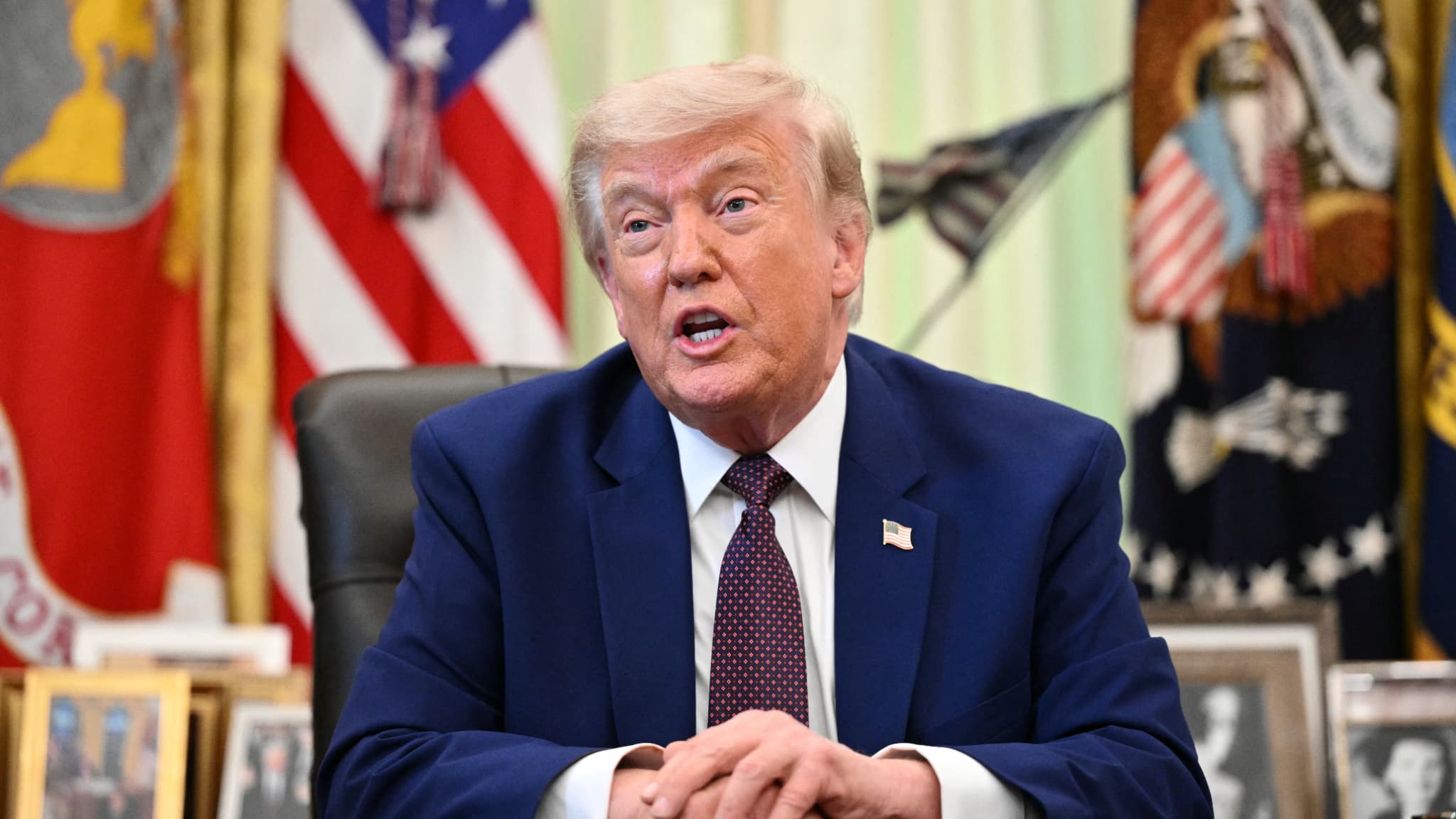
“It will either be an excellent agreement for all, or no agreement at all: a return to the front and to the fighting, of an unprecedented scale and intensity – and no one wants that,” the president wrote.
Trump also said countries such as Saudi Arabia, Qatar, Pakistan, Turkey, Egypt and Jordan should join the Abraham Accords simultaneously, as part of a broader regional settlement involving Iran.
The Strait of Hormuz at the heart of tensions
Speaking to reporters on May 25, US Secretary of State Marco Rubio said the Strait of Hormuz must be reopened “one way or another” following the US strikes.
“The straits must be opened. They will be one way or another,” Rubio said aboard a plane in Jaipur, India.
He added that “a few days” could be needed to finalize the terms of a possible deal with Iran.
“Right now, the negotiations are about ending the war. At this stage, the details of the nuclear issue are not discussed,” he said, according to the official IRNA news agency.
Iranian nuclear power, a central issue
Preventing Tehran from acquiring nuclear weapons constitutes a major axis of the Trump administration’s military campaign, launched on February 28. Mr. Trump has asserted that the Iranian regime should not have military nuclear capabilities, while Iranian authorities maintain that uranium enrichment is intended for peaceful purposes.
The Strait of Hormuz remains one of the world’s main energy crossing points: around 20% of global oil supplies pass through it. However, maritime traffic there has been disrupted by Iran in response to American and Israeli strikes targeting its nuclear and military installations since the end of February.
Tom Ozimek contributed to this article.
With Reuters