France has relied heavily on globalization to equip its army, which today makes it dependent on foreigners, particularly the United States, for key equipment, including the most strategic. Result: past budgetary choices now weaken its military sovereignty, even in essential areas such as small arms and ammunition.
Has France gambled too much on globalization to equip its army? This is the observation which is disturbing, but which MPs François Cormier-Bouligeon (Renaissance) and Aurélien Saintoul (LFI) fully accept: the country remains highly dependent on foreigners for key military equipment. In a 157-page parliamentary report, the two elected officials point out a series of industrial weaknesses inherited from past choices and call for a rapid revival.
First lesson from the report: the most critical dependencies concern equipment with high technological value. And in this area, one player stands out: the United States. Rocket launcher systems, on-board equipment, or even AWACS-type surveillance aircraft… all equipment where France relies on foreign solutions, for lack of an immediately available national alternative.
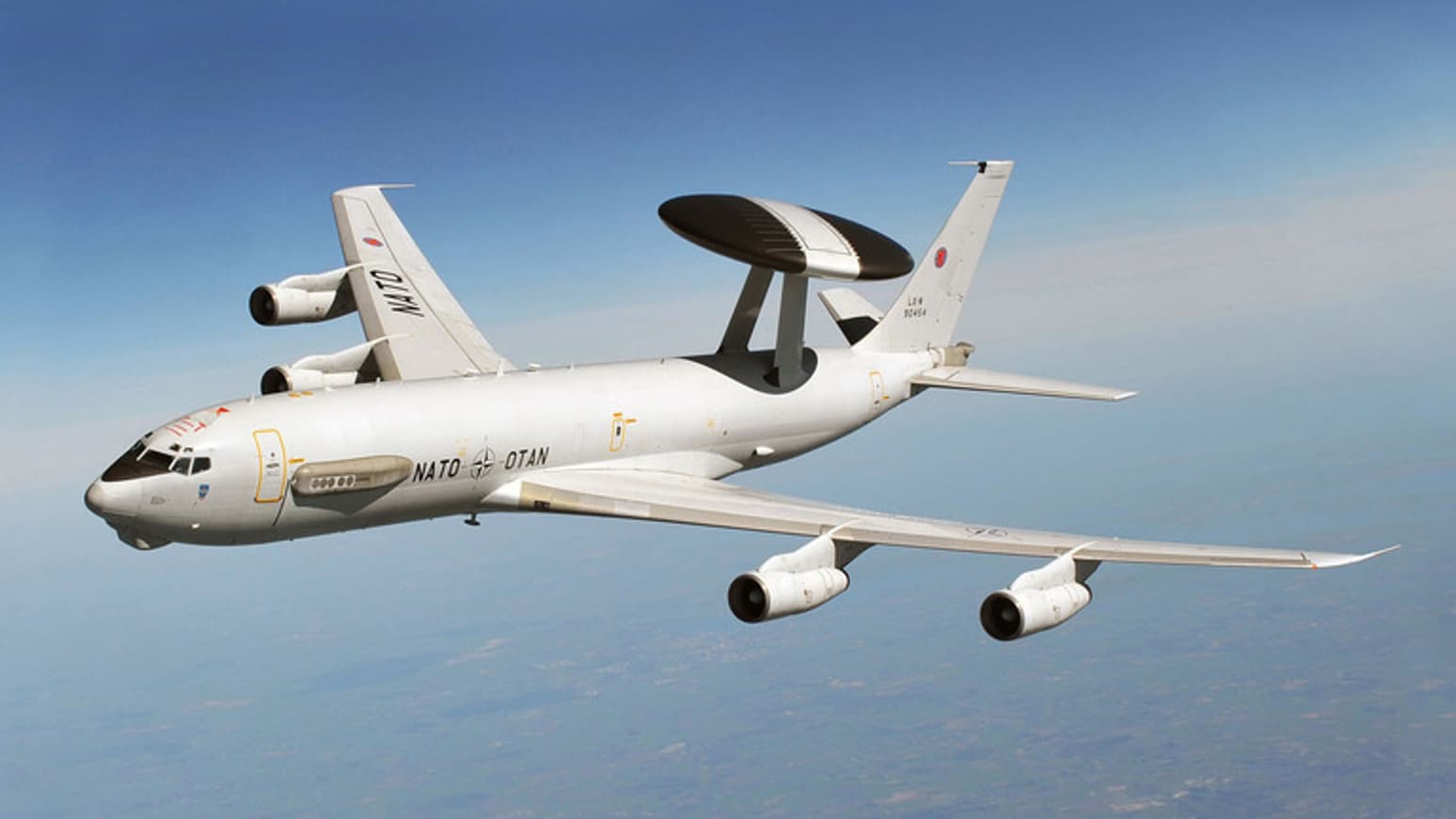
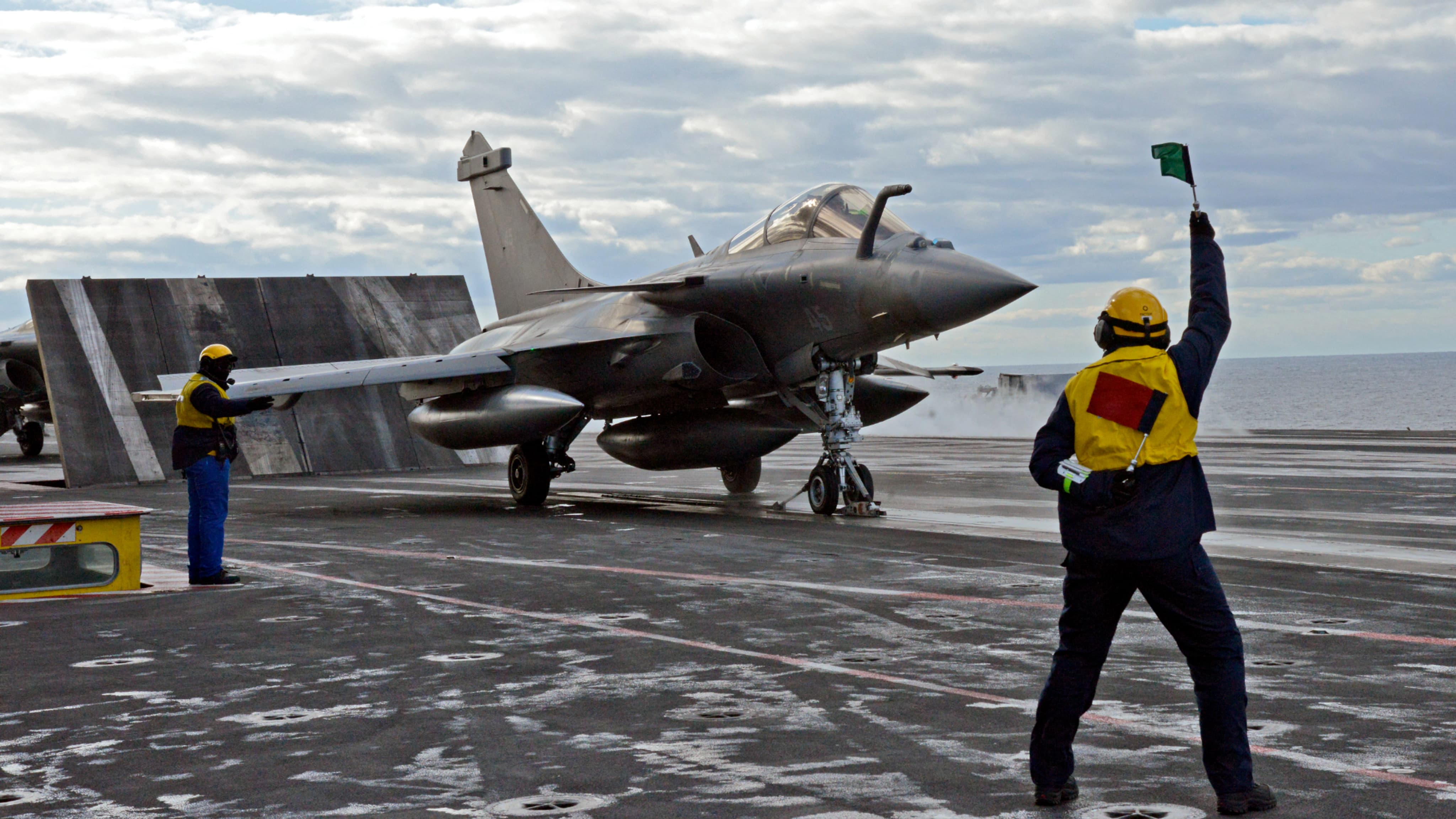
The case of the aircraft carrier Charles de Gaulle is emblematic: its steam catapults are of American origin, supplied by the manufacturer General Atomics, just like those, electromagnetic, planned for its successor La France Libre. Same logic for AWACS, whose radar complexity makes any national production difficult in the short term. France is going to replace its aging radar planes and has decided to acquire Swedish planes. They will replace a fleet of AWACS which dated from 1991 and which were adapted Boeing 707s.
Result: an assumed but suffered dependence, dictated by American technological advance.
Budget choices that are expensive today
But the report goes further. It highlights another dependency, less visible but just as problematic: that which concerns simple equipment. Ammunition, small arms, tactical drones… Here, France made a risky bet: import rather than produce. At the time, the equation was simple, it was about reducing costs. Today, it is turning against the State, according to parliamentarians.
The symbol of this industrial downgrading is in one word: FAMAS. Long a flagship of French armament, this assault rifle gradually disappeared from the ranks of the army, replaced by the HK416 from the German Heckler & Koch.
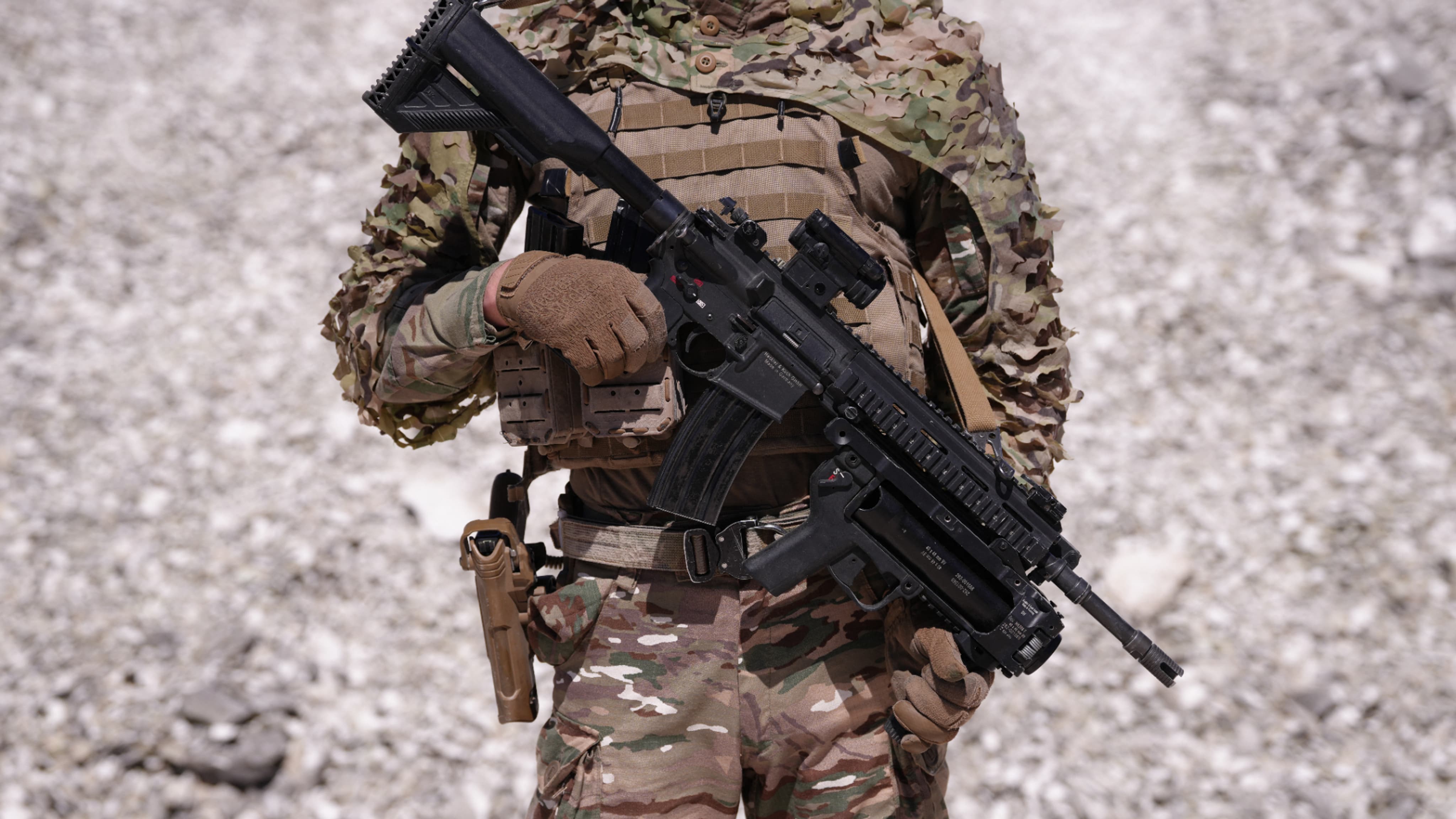
At issue: the closure, in 2001, of the Saint-Étienne arms factory. Since then, France has imported most of its small arms from its European neighbors… and the United States. France is no longer autonomous in equipping its own soldiers.
Ammunition: an underappreciated critical dependency
This is undoubtedly the most alarming point of the report. The last French factory, GIAT Le Mans, closed in 1999. The Manurhin company, specializing in ammunition production machines, was sold to a foreign group in 2018. The entire national production chain was therefore dismantled. Since then, France has depended entirely on foreign suppliers such as Germany, Israel and the United States in particular.
The subject resurfaced recently around 5.56 mm ammunition, used in assault rifles. A basic product in appearance… but essential. Some supplies come from the Israeli group Elbit Systems, chosen for the quality of its ammunition which is less abrasive for weapons.
“The choice of the Israeli supplier is explained by the superior quality of the ammunition, which would lead to less wear and tear on the weapons, recognizes the rapporteur Aurélien Saintoul. However, political considerations lead me to contest the maintenance of this dependence. Recent information from the Jerusalem Post, evoking the possibility of a cessation of Israeli deliveries to the French armies, including 5.56 millimeter ammunition, concretely illustrate the fragility of the situation.” Therefore, in the event of diplomatic tensions, supply may be interrupted.
Beyond the equipment itself, the report emphasizes an often neglected angle: maintaining operational condition. In other words, the ability to repair, maintain and maintain equipment over time. However, this requires available spare parts, access to technical data and local industrial capacities. But here again, foreign dependence weakens the entire system.
A strategic shift but still insufficient
Faced with this observation, the executive is beginning to react. When he was still Minister of the Armed Forces, Sébastien Lecornu had set a course: rebuild a national munitions sector. A significant budgetary effort is being made, with several billion additional euros within the framework of the military programming law.
An additional effort of 8.5 billion euros was announced in favor of munitions, adding to the 16 billion euros already voted for within the framework of the military programming law. A project called “France Munitions” should make it possible to relocate production such as bullets, powders and primers on national territory.
The rapporteurs’ message is clear: the issue is no longer just economic. For years, importing was cheaper. But in a context of international tensions, sovereignty has a price and the absence of sovereignty has an even higher price. France still has the skills to rebuild its sectors. But time is running out.