According to the data from a reference report, the world spent around $2,900 billion on military expenses last year. This figure has been increasing for the eleventh consecutive year, due to the multiplying armed conflicts and those that could arise, especially in Asia and Oceania.
In 2025, global military expenses reached record levels, increasing by 2.9%. This total of $2,900 billion was allocated to the military sector worldwide during the previous year. The report indicates that the United States, China, and Russia remain the top three contributors, representing over half of the world’s military spending, totaling $1,480 billion in 2025. This marks the highest global military expenditure in over eleven years. The military burden (the share of national GDP spent on military expenses) is also at its highest since 2009.
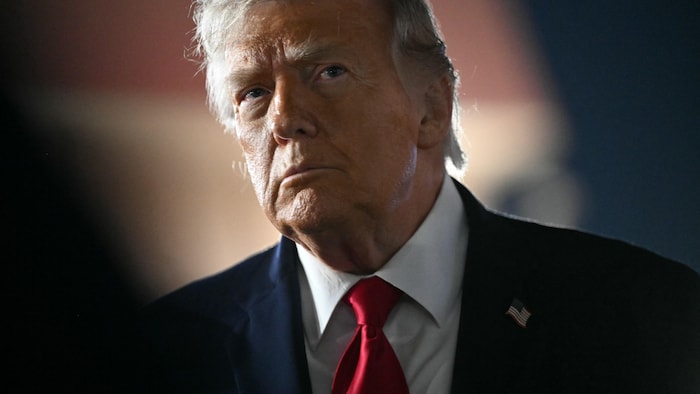
A decrease in American spending was observed in 2025, with a 7.5% drop compared to the previous year. Despite this decrease, the US still spent $954 billion due to its substantial volume. This decline is attributed to the lack of financial assistance sent to Ukraine, as these aids were not approved by the American presidency. However, the US Congress approved expenditures exceeding $1,000 billion for 2026 and even projects $1,500 billion for 2027 if Donald Trump’s proposals are validated.
On the European side, military expenses saw the most significant increase, rising by 14% to $684 billion in 2025. Lorenzo Scarazzato, a researcher at Sipri, explained this surge due to the ongoing war in Ukraine and the US disengagement from Europe, pushing Europe to take on more defense responsibilities.
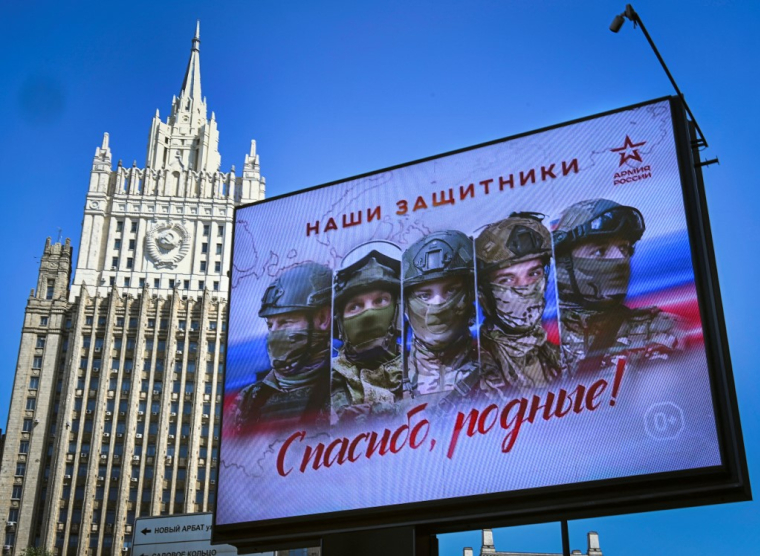
In Europe, countries with notable increases include Germany (+24%), Spain (+50%, allocating 2% of its GDP to military expenses for the first time since 1994), Ukraine (+20%), and Russia (+5.9%).
Despite the ongoing conflict in the Middle East since late February 2025, Asia experienced a rise in military spending primarily driven by China’s policies. China has consistently increased its spending over the past three decades, reaching around $336 billion in 2025.
This significant increase raises concerns among China’s neighboring countries, particularly Japan and Taiwan, who also raised their military expenditures. The regional dynamic extends to South Korea and Australia, where both countries plan to increase their military budgets and invest in new defense capabilities.
Lorenzo Scarazzato summarized that the world feels less secure and is investing more in its armed forces to address the global context.