I. Synthesis of the notable elements of the Iranian-American negotiations since the proclamation of the ceasefire on April 8
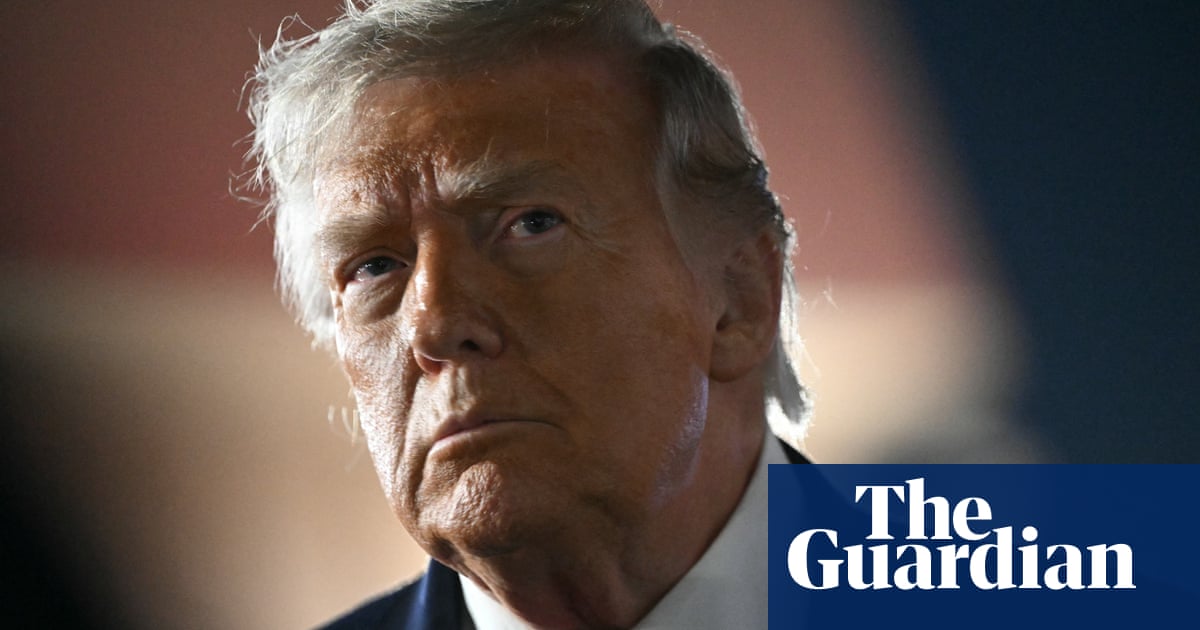
The United States and Iran agreed to a two-week ceasefire on April 8, 2026, to conduct negotiations under Pakistani mediation; this agreement is based on a ten-point Iranian proposal, which Washington accepts as a basis for discussion, despite several military incidents reported on the same day, illustrating the fragility of this truce and the high volatility of the situation. Direct negotiations are then held on 11 and 12 April 2026 – a first between Iran and the United States, at least officially in Islamabad – but fail quickly: Tehran reproaches Washington for its maximalist demands, especially regarding the Iranian nuclear program.
The following day, American President Donald Trump orders a naval blockade against Iran to increase pressure on the regime of the mullahs, who still condition the passage of the Strait of Hormuz on the payment of a tax aimed, according to Iranian authorities, at financing the country’s reconstruction after forty days of American-Israeli strikes; Tehran denounces an act of piracy and the negotiations, already bogged down, become completely stalled: while the White House makes contradictory statements regarding a reopening of Hormuz or a positive outcome of the negotiations, Iranian authorities deny any discussions with their American counterparts and state, on April 18, 2026, that they have still not decided whether they will send a delegation to Pakistan for a second round of negotiations.
II. What are the concrete consequences and fears in terms of energy?
Despite the proclamation of the ceasefire on April 8, the energy crisis induced by the destabilization of the world’s largest oil-producing and exporting region has not dissipated: the absence of stability prospects for the region, the high volatility of the situation, the American naval blockade against Iran, the Iranian toll in the Strait of Hormuz, and the global concern of markets and insurers, among many other factors, lead this crisis to become structural.
Indeed, the truce was theoretically supposed to allow a partial resumption of traffic in the Strait of Hormuz; however, the diplomatic-military escalation that the region experienced in the following days did not allow for a return to normal maritime traffic: the naval blockade established by the United States on April 13 removed up to two million barrels of oil per day from the international market, while reinforcing fears – legitimate – of instability in the region. The new closure of the Strait of Hormuz by Iran on April 18 further exacerbates this phenomenon by substantially affecting 20% of global energy flows, in what then becomes the most significant disruption in the history of the modern oil market.
In a globally economy relying mainly on carbon energies and especially oil, the economic consequences are immediate and global; maritime transport is disrupted, delivery times are lengthened, and several sectors – aviation, heavy industry, agriculture – suffer critical shortages, further increasing the prices of many essential products. Hydrocarbons are not only one of the flagship products of the Middle East: the inputs are also crucial, with more than 50% of global fertilizer exports normally transiting through the Strait of Hormuz. The disruption of this market, in addition to a price increase – the price of inputs is at its highest level in the last eleven months – also risks pushing around thirty million people worldwide into food insecurity, due to the significant role of these inputs in food production.
However, one thing is certain: each day of blocking the Strait of Hormuz increases the magnitude of the crisis and, most importantly, the time needed for a return to normalcy, already estimated at several months. Several factors come into play: firstly, the oil and gas extraction, exploitation, and transformation infrastructure takes much longer to restart than to stop; each day of stoppage increases the time it will take to get them back up and running. Moreover, the hydrocarbon storage capacities of several countries in the region, including Iran, are starting to reach saturation; within two weeks, the mullahs’ regime will be forced to cease oil extraction and temporarily close its wells, as they will no longer be able to store their production. Thus, any lasting peace agreement will not be accompanied by an immediate return to normal energy markets and maritime flows: this process will take several weeks, even months, and will result in prices remaining well above average for goods, transport, insurance, etc.
III. And in Lebanon?
On April 8, the date of the ceasefire between Iran and the United States, Israel launched its largest wave of strikes on Lebanon, with over 100 strikes in a few minutes, causing the death of at least 357 people and more than 1,200 injuries, mainly in Beirut and the south of the country. Hezbol responded by firing several rockets towards northern Israel. The fighting continued in the following days, dragging many deaths and injuries in both camps, until a ten-day ceasefire was announced on April 16 between Israel and Lebanon, excluding Hezbollah.
On April 17 and 18, violations were reported, with each side accusing the other of shootings and military operations, while Israeli forces remain deployed in southern Lebanon; two French UN soldiers will be killed in an attack attributed to Hezbollah on April 17, bringing the total number of peacekeepers killed in Lebanon up to five since the start of this conflict. On April 23, despite Donald Trump’s unilateral announcement of a three-week extension of the truce in Lebanon, combat and bombing intensified, both from the Israeli and Hezbollah sides, while Lebanon refused to deploy its army in the south of the country to intervene between the two belligerents. Civilian populations appear to be the main losers of the conflict: about 2,300 people have been reported killed in Lebanon since the beginning of the conflict, including approximately 1,800 civilians.




:quality(80)/outremer%2F2026%2F03%2F03%2Fjtrnbq4jgwixm5as4spltcpqjy-69a716f4b35ed734412994.jpg "Coupe du monde 2026 : les 12 groupes, les équipes et le calendrier complet du tournoi co-organisé par les États-Unis, le Mexique et le Canada")