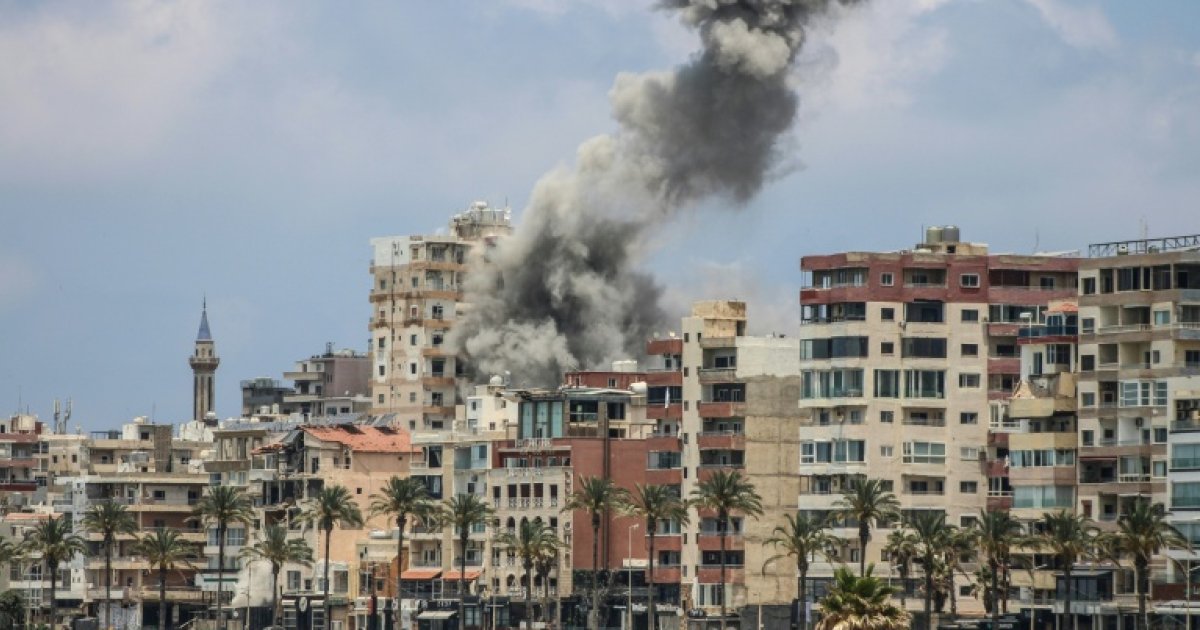
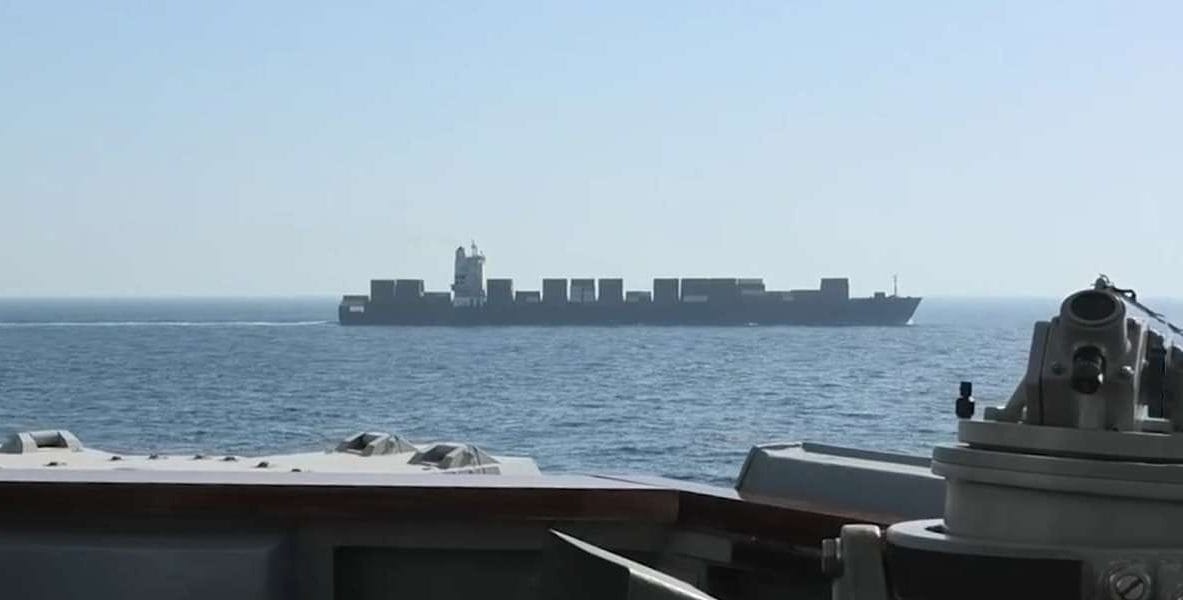
The rise in the price of fertilizers and diesel due to the closure of the Strait of Hormuz is having very real impacts on the daily lives of American farmers, especially in the state of Georgia. According to a survey by the American Farm Bureau, 78% of farmers in the southern United States say they will not be able to afford all the fertilizers they need this season due to the price hike linked to the Middle East war. This price hike also affects fuel.
In northeast Georgia, 120 kilometers from Atlanta, Matthew London, a sixth-generation farmer, is feeling the strain. A tanker truck just passed through his family farm in the town of Cleveland. The fuel delivery driver was surprised: “He told me, ‘You only ordered 1,000 gallons’ (about 3,700 liters) and I replied, ‘Yes, we’re just trying to get by, because we hope things will improve,'” he says. In reality, he estimates he should be using 1,500 to 2,000 gallons during this time of year.
Matthew London hopes that diesel prices will drop. “These 1,000 gallons of fuel, it’s $4.40 a gallon today. In winter, it was more like $2.40, $2.50 a gallon,” he details. “If you do the math, it’s about $2,000 more for this single delivery,” laments the farmer. However, he believes that those truly suffering at the moment are crop growers who sell their harvests, such as corn and soybeans.
The farmers are optimistic and say, “The American farmer is resilient.” Gilbert Barrett, a poultry and beef cattle farmer in Cornelia, explains how the increased fertilizer costs are affecting their operation. He notes that the farm’s fertilizer bill usually amounts to $7,000 to $8,000 just for fertilizing the hay fields, but with a 40% increase, that’s an additional $3,200.
Both farmers are hopeful for rain to avoid the looming drought in Georgia. They agree that the situation calls for exploring alternative nitrogen sources instead of relying solely on imported nitrogen. Gilbert Barrett, also the president of the agricultural cooperative of White County, emphasizes the need for new agricultural legislation to address the escalating production costs.
In conclusion, the farmers are navigating through challenges with resilience, adapting to the changing circumstances, and hoping for better days ahead in their farming operations amidst the geopolitical and economic uncertainties.