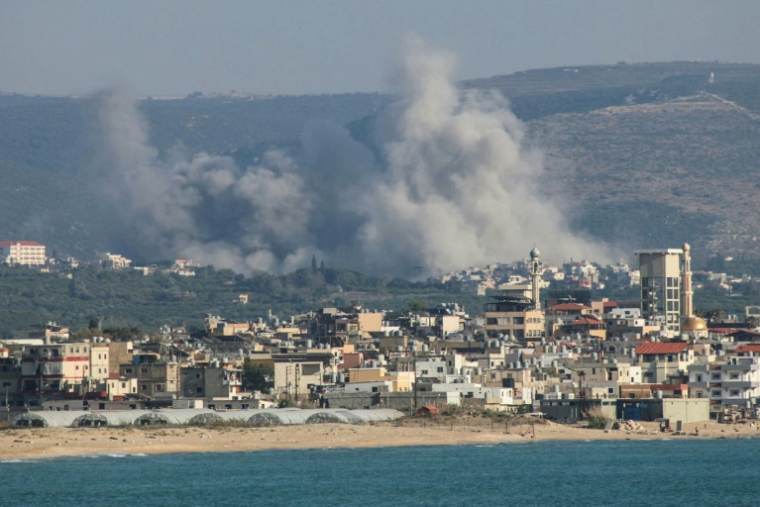
A relative calm prevailed around the Strait of Hormuz on Sunday, after several days of sporadic tensions. The United States is still awaiting a response from Iran to their latest proposals aimed at ending more than two months of fighting and initiating peace talks.
The US Secretary of State, Marco Rubio, stated on Friday that Washington expected a response within a few hours. However, there has been no sign of movement from Tehran regarding this proposal, which would formally end hostilities before addressing the most contentious issues, including the Iranian nuclear program.
Rubio met with Qatari Prime Minister Mohammed bin Abdulrahman al-Thani in Miami on Saturday. They discussed the need to continue their cooperation “to deter threats and promote stability and security in the Middle East,” according to a statement from the State Department which did not mention Iran.
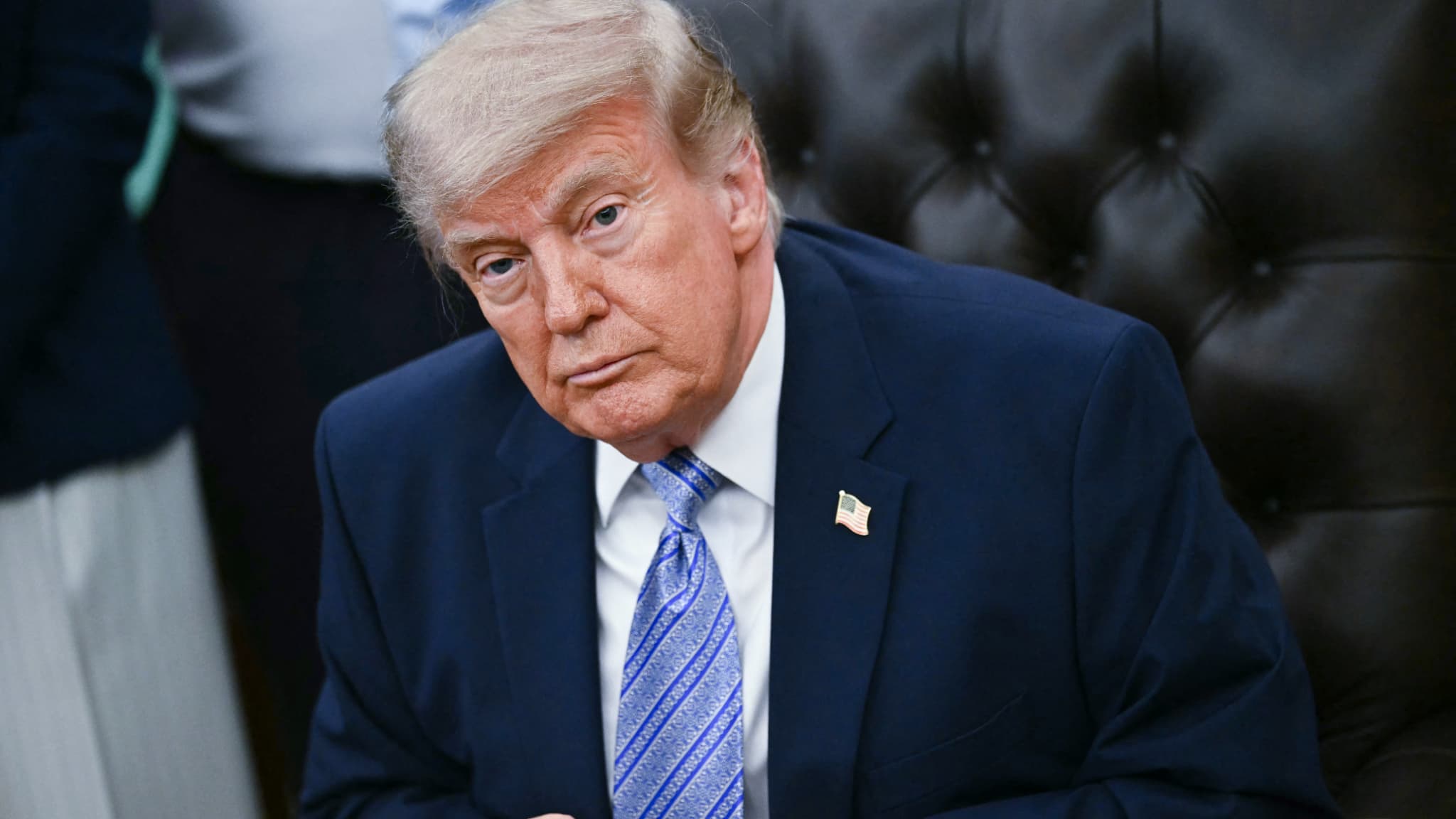
Margot Haddad, a journalist for the French channel LCI, reported on Saturday that Donald Trump had told her during a brief interview that he still expected to receive Iran’s response “very soon.”
Qatari Vessel Approaches Strategic Strait
As US President Donald Trump prepares to visit China this week, pressure mounts to end the conflict that has triggered a global energy crisis and poses an increasing threat to the global economy.
A Qatari vessel carrying liquefied natural gas (LNG) was heading towards the strait on Saturday en route to Pakistan, according to maritime data from LSEG. Some sources indicate that this movement was approved by Iran to strengthen trust with Qatar and Pakistan, both mediators in the conflict.
If successful, this transit would be the first passage of a Qatari LNG vessel through the strait since the start of hostilities initiated by the United States and Israel on February 28.
Tehran has significantly blocked non-Iranian maritime traffic in this strait which, before the war, carried one-fifth of the world’s oil supply.
The last few days have been marked by the most intense tensions in and around the strait since the establishment of a ceasefire a month ago, with the United Arab Emirates being targeted by attacks again on Friday.
On Friday, sporadic clashes occurred between Iranian forces and American ships in the strait, as reported by the semi-official Fars news agency.
The US military stated that they had struck two ships linked to Iran that were attempting to enter an Iranian port, forcing them to turn back.
A merchant ship reported being hit by a projectile northeast of Doha, said the UK Maritime Trade Operations organization on Sunday. A minor fire was contained without casualties or environmental damage. Authorities are investigating the origin of the attack.
Ships from countries adhering to US sanctions against Iran will face difficulties crossing the Strait of Hormuz, warned the spokesperson for the Iranian military, Mohammad Akraminia, cited by Tasnim agency on Sunday.
Iranian lawmakers are said to be preparing a bill to formalize Iran’s control of the strait, including clauses banning passage to ships from “hostile states.”
Ceasefire Holding Despite Tensions, Trump Says
Washington imposed a blockade on Iranian vessels last month. However, a CIA assessment indicates that Iran would not face severe economic pressure resulting from this blockade for about four months, according to a US official familiar with the matter. This raises questions about the real pressure capacity of Donald Trump on Tehran in an unpopular conflict among US voters and allies.
An intelligence official dismissed as “false” the allegations concerning this CIA analysis, initially revealed by the Washington Post.
On Thursday, Donald Trump asserted that the ceasefire was holding despite escalating tensions, while Iran accused the US of violating it.
“Every time a diplomatic solution is on the table, the US opts for a reckless military adventure,” said Foreign Minister Abbas Araqchi on Friday.
The US has limited international support in this conflict. After meeting with Italian Prime Minister Giorgia Meloni on Friday, Marco Rubio questioned why Italy and other allies were not supporting US efforts to reopen the strait, warning of a dangerous precedent if Tehran were allowed to control an international waterway.
The UK, collaborating with France on a proposal to ensure safe passage through the strait once the situation is stabilized, announced on Saturday the deployment of a warship to the Middle East in anticipation of such a multinational mission.