
The joint American-Israeli action initiated on February 28, 2026 has put the United States in a strategic impasse. The conflict currently benefits Russia and voices within the United States, including Democrats and supporters of the Trumpist MAGA movement, are denouncing a war being waged more in the interests of Tel Aviv than Washington.
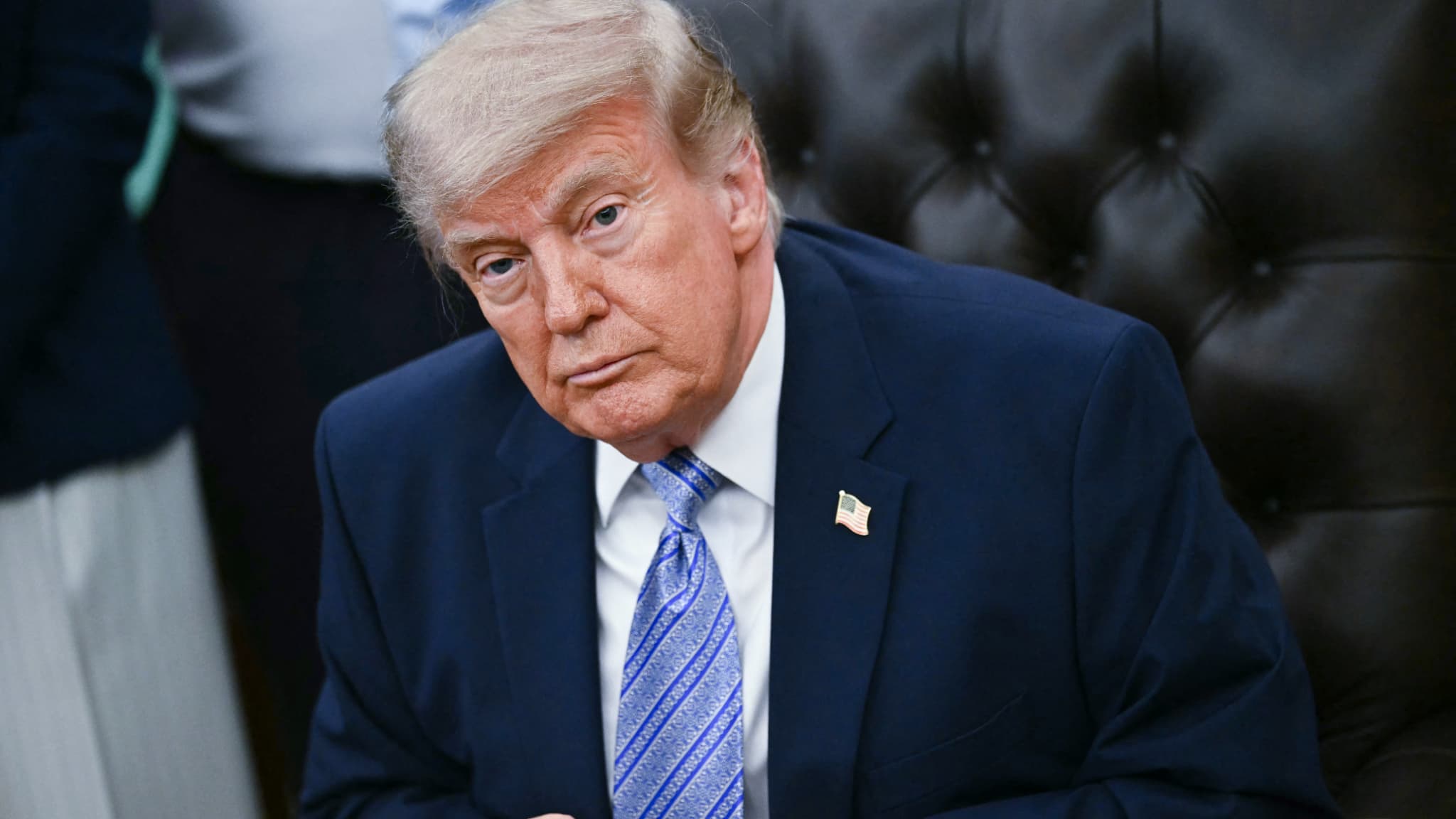
According to the New York Times, after a series of secret meetings with the Israeli Prime Minister, Donald Trump subscribed to the idea of regime change in Iran through disorganization, decapitation of power, and neutralizing ballistic capabilities in Tehran. Netanyahu convinced him that Iran was incapable of blocking the Strait of Hormuz or significantly striking American interests in the region.
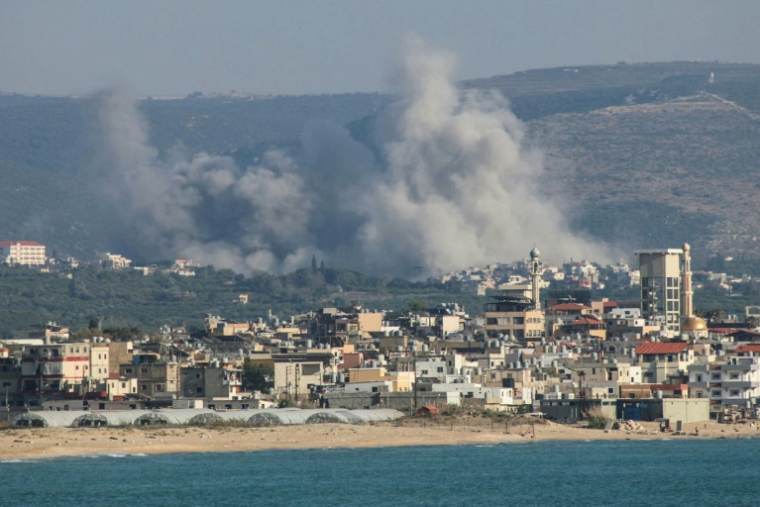
The U.S. President was convinced of the inevitable success of a major offensive, believing it to be a low-cost operation with a quick victory. However, Iran’s response capabilities countered these predictions by saturating defense systems using low-cost drones and hypersonic ballistic missiles, also impacting the global economy through the Strait of Hormuz blockade.
An expected quagmire
A warning from Chief of Inter-Arm Chief of Staff Dan Caine alerted Trump to the risks of prolonged conflict and military strikes against Iran. U.S. intelligence assessments outlined possible Iranian retaliations, focusing on regional retaliations targeted at U.S. bases, Gulf allies, and critical energy chokepoints such as the Strait of Hormuz.
Observers acknowledge Iranian resilience based on defense doctrine developed in the 2000s, allowing for operational continuity even after high-level decapitations and Iran’s readiness for an attrition war.
Expert insights
Former intelligence chief Alain Chouet and military analyst Olivier Dujardin provide insights into the challenges faced by the U.S. and Israel in the conflict, including missile defense exhaustion, territorial challenges, and higher costs due to advanced Iranian missile technology and hardened targets.
The costs of war
The consequences of the conflict affect both Washington and Tel Aviv, with economic and strategic ramifications. The war’s impact on the U.S. politically, including rifts within the MAGA movement and Democratic opposition, suggest a potential shift in U.S.-Israel relations.
International repercussions
The conflict’s broader implications are highlighted by researcher David Teurtrie, who notes the strain on U.S. missile defense systems and Israel’s multi-front engagement, impacting regional dynamics and international relations. Economic shifts, particularly in the energy sector, benefit Russia and escalate the conflict’s global impact.
End of the line
The fallout of the conflict extends to U.S. domestic politics, jeopardizing the GOP’s midterm prospects and fueling the Democratic anti-war sentiment. The rejection of proposals against arms sales to Israel indicates a continued entanglement in conflicts initiated by Israel.
The analysis
Researcher Lina Kennouche provides an in-depth analysis of the conflict’s geopolitical and strategic implications, shedding light on the multifaceted repercussions of the U.S.-Israel-Iran standoff.
This article was originally published on The Conversation and has been republished with Creative Commons license.




/2026/06/11/6a2aa4d327f6e059543219.jpg "Mort de Charlie Dalin : Cétait un être et un marin exceptionnels, salue le navigateur Yann Eliès")