
At the first day of the G7 focused on the environment in Paris, France believes significant progress has been made, choosing not to address climate issues head-on to avoid alienating the United States, which has been “cooperative” in return.
“We have seven texts to be approved and all seven will be approved,” celebrated French Minister of Ecological Transition Monique Barbut after the first day of negotiations at the G7 environment summit, set to conclude on Friday.
“The United States has been very constructive” and “extremely cooperative,” the Minister added while walking with her counterparts in the Fontainebleau forest near Paris.
“Environmental protection is no longer the international priority,” she admitted in her opening speech, with representatives from industrialized countries of this international forum and other partners present, like the nations hosting this year’s upcoming COPs on desertification (Mongolia) or biodiversity (Armenia).
The Group of Seven (Canada, France, Germany, Italy, Japan, United Kingdom, and the United States) “and its partners have a special responsibility. We have the capacity to act and send a clear signal of our determination and unity,” she argued at the start of this two-day summit.
France has brought five priorities to the table for discussions: “financing biodiversity protection, preserving the ocean, securing water resources, emphasizing the links between desertification and security, and increasing the resilience of our territories and infrastructure to natural risks.”
Themes that all “have a connection to global warming,” according to Monique Barbut, while opting not to directly address this question to avoid offending the United States.
“If I had taken the issue head-on, there would not have been a G7,” she assessed.
Another taboo subject: phasing out fossil fuels, which was nonetheless discussed afterward at an unprecedented meeting of around fifty countries in Santa Marta, Colombia (April 24-29).
“A G7 following the pace of the United States cannot claim to respond to the crises of the century if it ignores climate, disregards gender inequalities, and locks itself into a short-term energy vision,” regretted Gaëa Febvre, head of international policies at the Climate Action Network (CAN), an association of many NGOs, speaking to AFP.
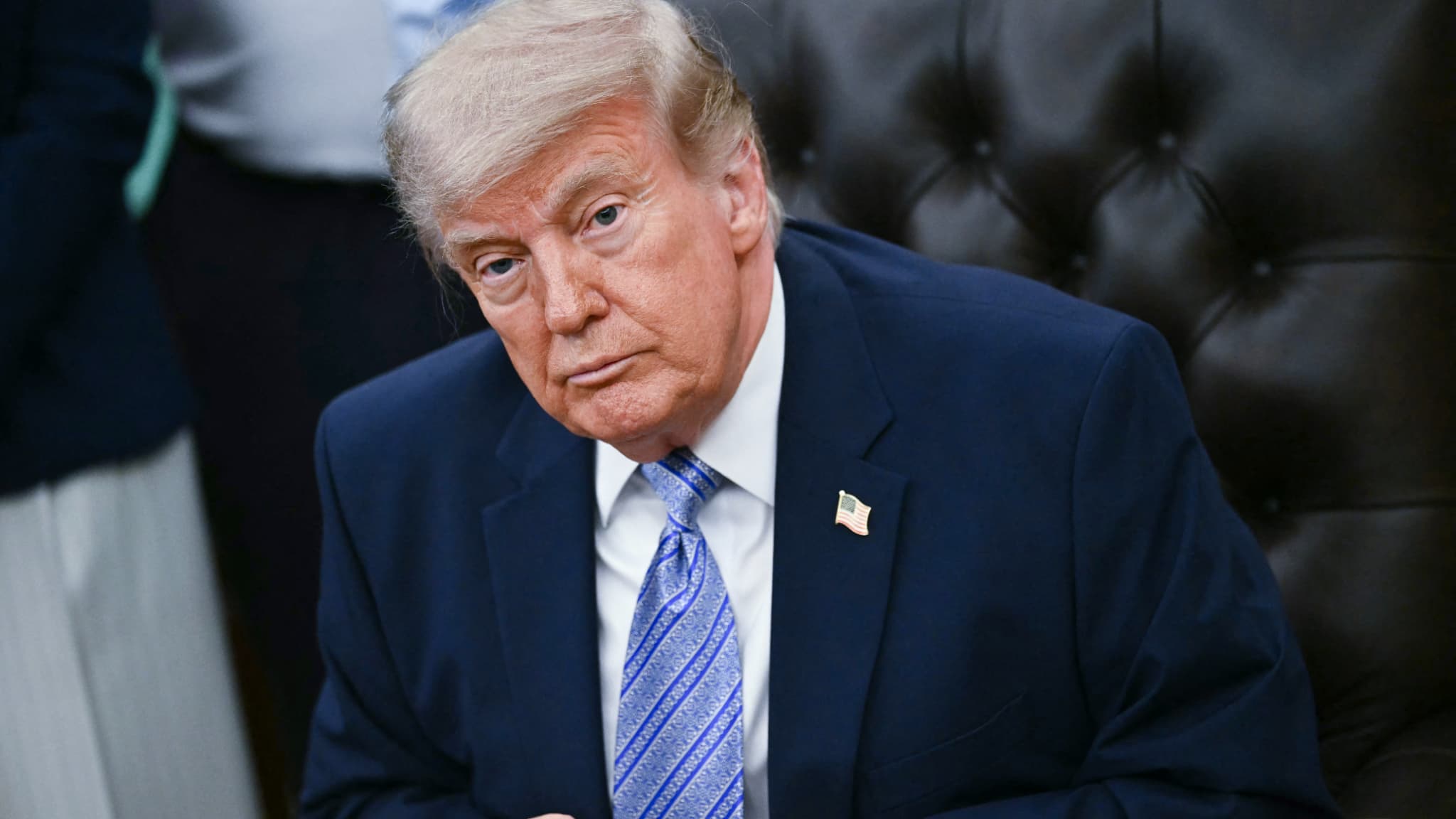
The return of Donald Trump to the White House in early 2025, known for his skepticism on climate issues, was followed by a series of steps back on climate protection, from withdrawing from the Paris Agreement to unraveling many environmental standards within the world’s leading economy.
Symbolic of the low regard by the United States at this G7, their representative is Usha-Maria Turner, the deputy administrator in charge of international and tribal affairs at the U.S. Environmental Protection Agency, a second-tier leadership position.
France hoped to win over the Trump administration and its other partners with its “alliance for the financing of nature and people,” an initiative aimed at encouraging public and private funding for biodiversity protection.
The first concrete manifestation is expected by the Evian G7 summit in June: “I think we will have concluded a discussion on a program that will be around 600 million euros, focusing on Africa, covering 22 countries, and 144 protected areas,” Monique Barbut indicated on Thursday evening.
Of this amount, 400 million would come from philanthropic foundations, half of it from Rob Walton, the heir to the American retail giant Walmart.
“We can only be pleased that the topic of biodiversity financing has found a place in the discussions,” but “this funding must be additional and not compensate for a parallel disengagement by states, including France,” judged Jean Burkard, advocacy director at WWF France.
Published on April 23 at 8:29 PM, AFP



/2026/06/11/6a2a9d8bc94f2058438041.jpg "Coupe du monde 2026 : pour la FIFA, lidée cest jouer plus pour générer plus de recettes, selon un spécialiste du sport business")
