Not entirely a sign of peace: the United States and Iran exchanged mutual threats on Monday, just two days before the end of the two-week ceasefire period, while uncertainty surrounds a potential resumption of talks between the two countries in Pakistan.
A source close to the matter confirmed to AFP that a US delegation was expected to depart “soon” to Islamabad for new discussions with Iran, without a more precise date or time.
No additional information had leaked about this move in the early evening in Washington, as the end of the ceasefire approaches, which came into effect on April 8 between the two enemy countries, after more than a month of war that has ignited the Middle East and shaken the world economy.
This ultimatum expires “Wednesday evening, Washington time,” Donald Trump told Bloomberg, deeming the extension of the ceasefire “highly improbable.”
“We do not accept negotiations under threat, and over the past two weeks, we have been preparing to play new cards on the ground,” said Mohammad Bagher Ghalibaf, president of the Iranian Parliament.
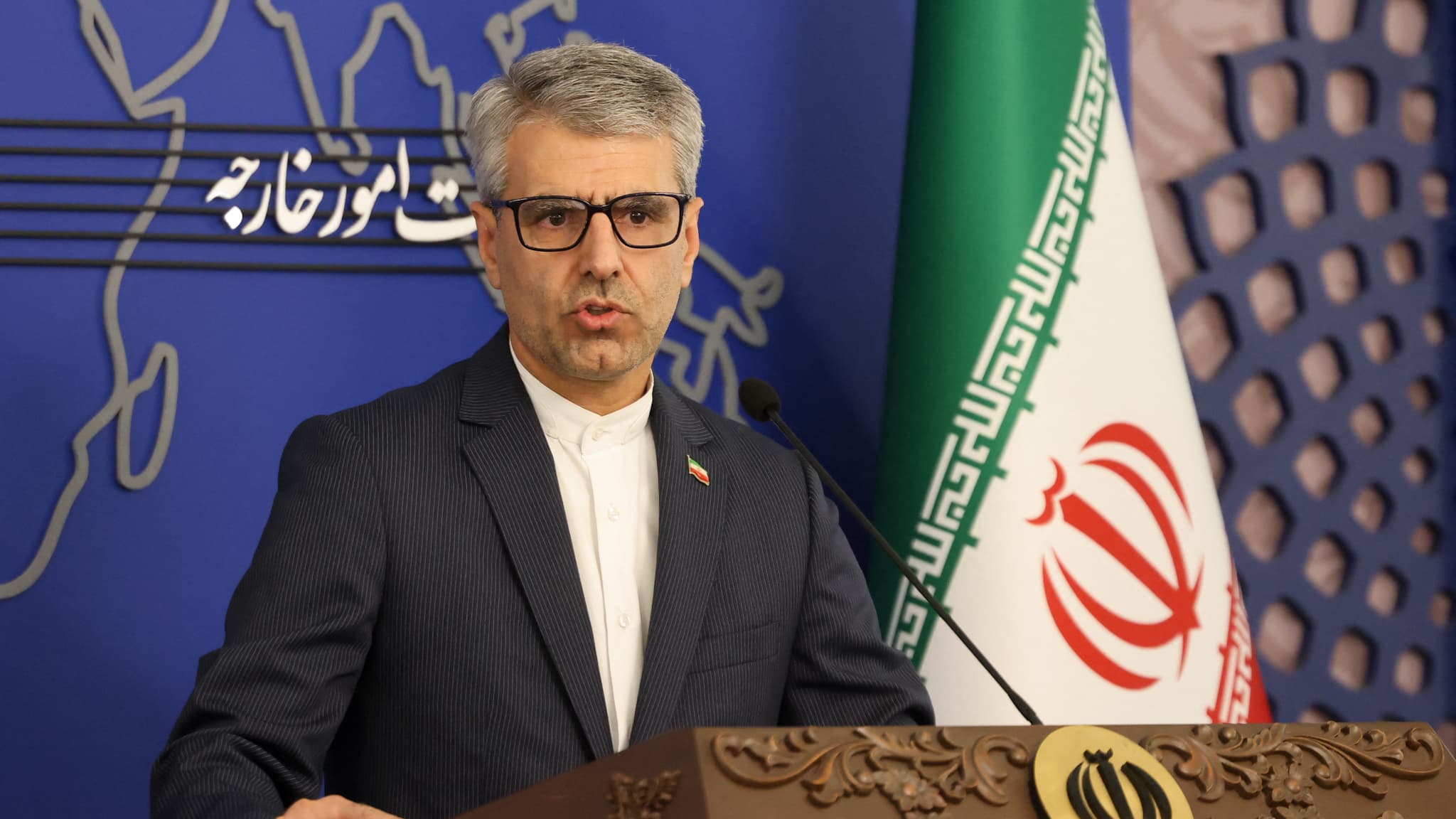
Iran has not yet “at this stage” a “plan for the next round of negotiations, and no decision has been made on this matter,” said the Foreign Ministry spokesperson, Esma’il Bagha’i, doubting the “seriousness” of the United States.
If US demands are not met before the end of the ceasefire, “many bombs will explode,” warned Donald Trump, this time to PBS, after previously threatening in April to “annihilate an entire civilization” in Iran.
Trump also reaffirmed that he intends to maintain the blockade on Iranian ports “until there is a deal” with Tehran, stating that it is causing Iran to lose “500 million dollars a day, a figure that is unsustainable for them, even in the short term.”
“At least 26 ships in the Iranian ghost fleet have bypassed the American blockade” since its implementation last week, according to maritime data company Lloyd’s List Intelligence.
In Tehran, where the main airports reopened on Monday for the first time in several weeks, life has largely returned to normal, with crowded cafes, athletes, and walkers in parks.
“Saghar, a 39-year-old woman, paints a “terrible” picture of the country, which has seen several thousand deaths in Israeli-American strikes. “There is no light at the end of the tunnel, the economic situation is terrible. They (the authorities) arrest people for no reason. Executions are increasing. Only bad news,” she says.
Xi Jinping, the Chinese president, emphasized the need to keep the Strait of Hormuz open during a phone call with Saudi Crown Prince Mohammed bin Salman, amid rising tensions in the strategic maritime passage.
Despite the American blockade, Iran announced on Saturday that it would resume “strict control” of the strait, reversing its decision to reopen it. Tehran promised to “soon retaliate” against the announcement by Washington of the seizure of the Iranian-flagged cargo ship Touska in the Gulf of Oman on Sunday.
The American delegation is once again led by Vice President JD Vance, who was already present on April 11 in Pakistan for initial negotiations at a level unprecedented in decades.
Differences persist, especially regarding the nuclear issue. According to Donald Trump, Iran agreed to hand over its highly enriched uranium, a crucial issue, which Tehran denied again on Monday. Tehran, which denies wanting to acquire nuclear weapons, defends its right to peaceful nuclear energy.