
Efforts are intensifying to extend the fragile ceasefire between the United States and Iran, as the current agreement is set to expire on April 22. According to regional officials cited by the Associated Press, both parties have tentatively agreed to extend the truce to resume negotiations. Mediators are trying to overcome several major sticking points, including the Iranian nuclear program, security in the Strait of Hormuz, and the issue of compensation related to the conflict.
Despite these advances, the situation remains unstable. The maritime blockade imposed by Washington on Iranian ports and renewed threats from Tehran continue to weaken the agreement. The United States Central Command states that no ship has crossed the blockade in the first 24 hours, while several commercial vessels have been forced to turn back. This measure aims to increase economic pressure on Iran, whose oil exports, often carried out by circumventing sanctions, are a major source of revenue.
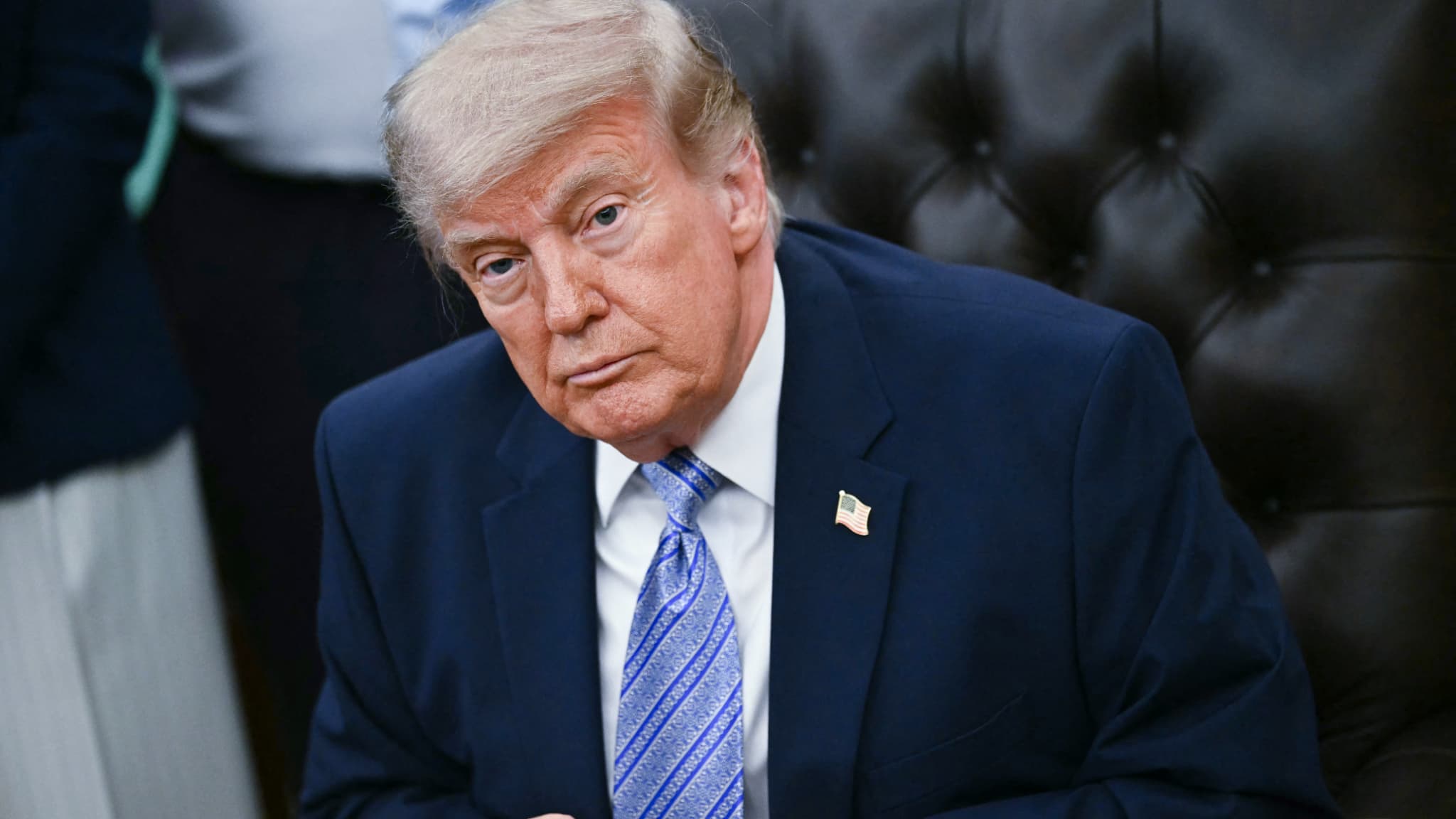
President Donald Trump has expressed optimism, believing that negotiations could lead to a quick resolution, stating that the war is “very close to the end.” The Secretary-General of the United Nations, António Guterres, also mentioned the possibility of new discussions in the coming days. Pakistan, through its Finance Minister Muhammad Aurangzeb, continues to play a role in mediation.
After seven weeks of conflict, the human toll rises with thousands dead in Iran and Lebanon, as well as casualties in Israel, Gulf states, and among American forces. The fighting has severely disrupted global markets, especially due to tensions in the Strait of Hormuz, through which a significant portion of the world’s oil passes. While oil prices have recently fallen in hopes of easing tensions, uncertainty remains high.
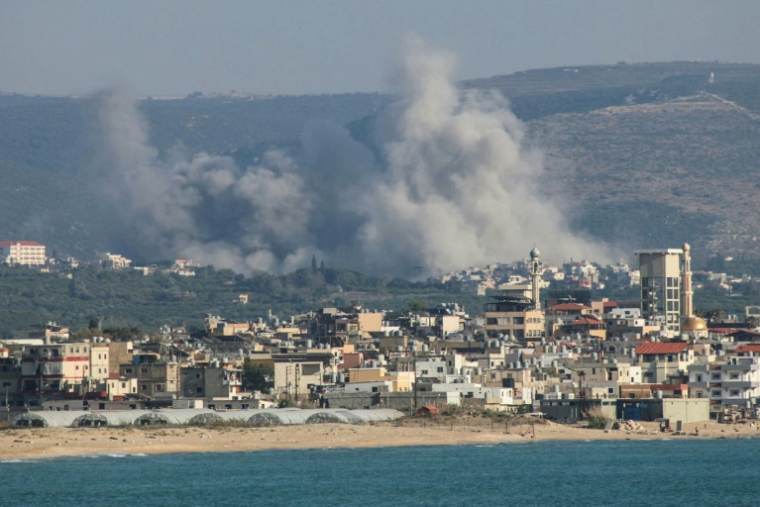
Meanwhile, clashes continue in Lebanon between Israel and Hezbollah, despite unprecedented discussions between Israeli and Lebanese officials. This dynamic highlights the complexity of the regional conflict, as de-escalation attempts between Washington and Tehran remain tied to still fragile negotiations.



/2026/06/11/6a2a9d8bc94f2058438041.jpg "Coupe du monde 2026 : pour la FIFA, lidée cest jouer plus pour générer plus de recettes, selon un spécialiste du sport business")
