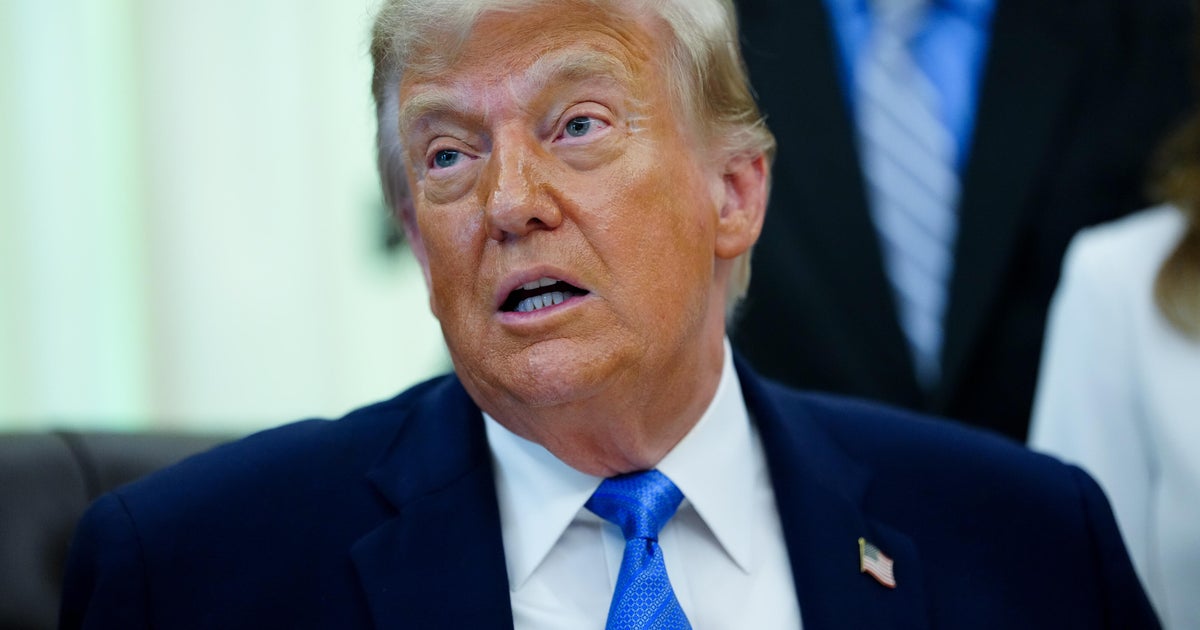
Chinese Netflix, iQiyi, recently launched AI-generated profiles of stars participating in its programs. This new feature has not been well-received by fans.
The online video service iQiyi, often described as the Chinese equivalent of Netflix, faced a wave of criticism on Monday after introducing a new tool that makes it easier to use actors’ images in AI-generated films and series.
Over 100 celebrities have joined a platform aiming to connect them with AI content creators wishing to use their image, as stated by a senior iQiyi official during a conference in Beijing.
Actors denounce the use of AI
In China, the entertainment industry has rapidly embraced AI. AI-generated films and shows have become common on video platforms.
Several actors have criticized the existence of this “artist database” on social media.
“There is a misunderstanding,” responded iQiyi’s executive Liu Wenfeng. “The type of series, the shots, everything must be confirmed by the actor, who retains control over the use of their image,” he assured.
“We are currently not granting any image usage licenses to actors… Instead, we allow creators and AI actors to establish links more quickly through Nadou Pro, iQiyi’s new AI tool designed for filmmakers, enabling them to generate short films.”
A trending topic on social media
Comments by iQIYI’s CEO Gong Yu, suggesting that works entirely produced by humans could become “intangible cultural heritage,” a term used in Chinese to refer to a relic from the past deserving preservation, have also sparked reactions.
The phrase “iQiyi has gone crazy” was the most commented topic on the Weibo social network on Monday afternoon.
“If all actors become AI, what kind of warmth will there be in these literary and artistic works?” read one message.
Experts also warn of the risks of allowing AI to use a person’s image.
“Once an artist’s image is used to train a platform’s models, there are technical risks such as fine-tuning the model, data leaks, and unauthorized secondary training, which are difficult to eliminate,” explained Li Zhenwu, a lawyer at Shanghai Star Law Firm.
“This means that an artist’s digital assets can be reused… completely beyond their control,” he added.

/regions/2026/06/11/6a2a94584c2e3384142755.jpg "Saint-Etienne-du-Grès: a fire broke out on a wheat crop, one hectare covered, 47 firefighters mobilized..")