The French coastline is constantly evolving due to the effects of waves, currents, storms, and climate change. One question that often arises is whether the extraction of marine aggregates has an impact on the coastline.
To answer this question, it is important to distinguish between the direct and indirect effects, both over time and in space. The extraction of aggregates currently taking place off the French coast does not directly impact the coastline, contrary to some beliefs. However, indirect effects cannot be dismissed, as they can alter currents and sediment transport near these extraction sites.
To evaluate these potential indirect effects, the Ministry of Ecological Transition has collaborated with a committee of experts to publish a methodological guide in partnership with the National Union of Aggregate Producers. This guide, the result of three years of collective work, compiles and updates available knowledge and modeling tools to provide a unified method for project developers, state services, and stakeholders.
The coastline is a mobile interface influenced by various natural and human factors, leading to erosion or accretion. It is essential to differentiate between the active coastal zone with strong daily, seasonal, and annual interactions between land and sea, and the coastal zone further offshore where marine aggregate concessions are located, with less intense interactions.
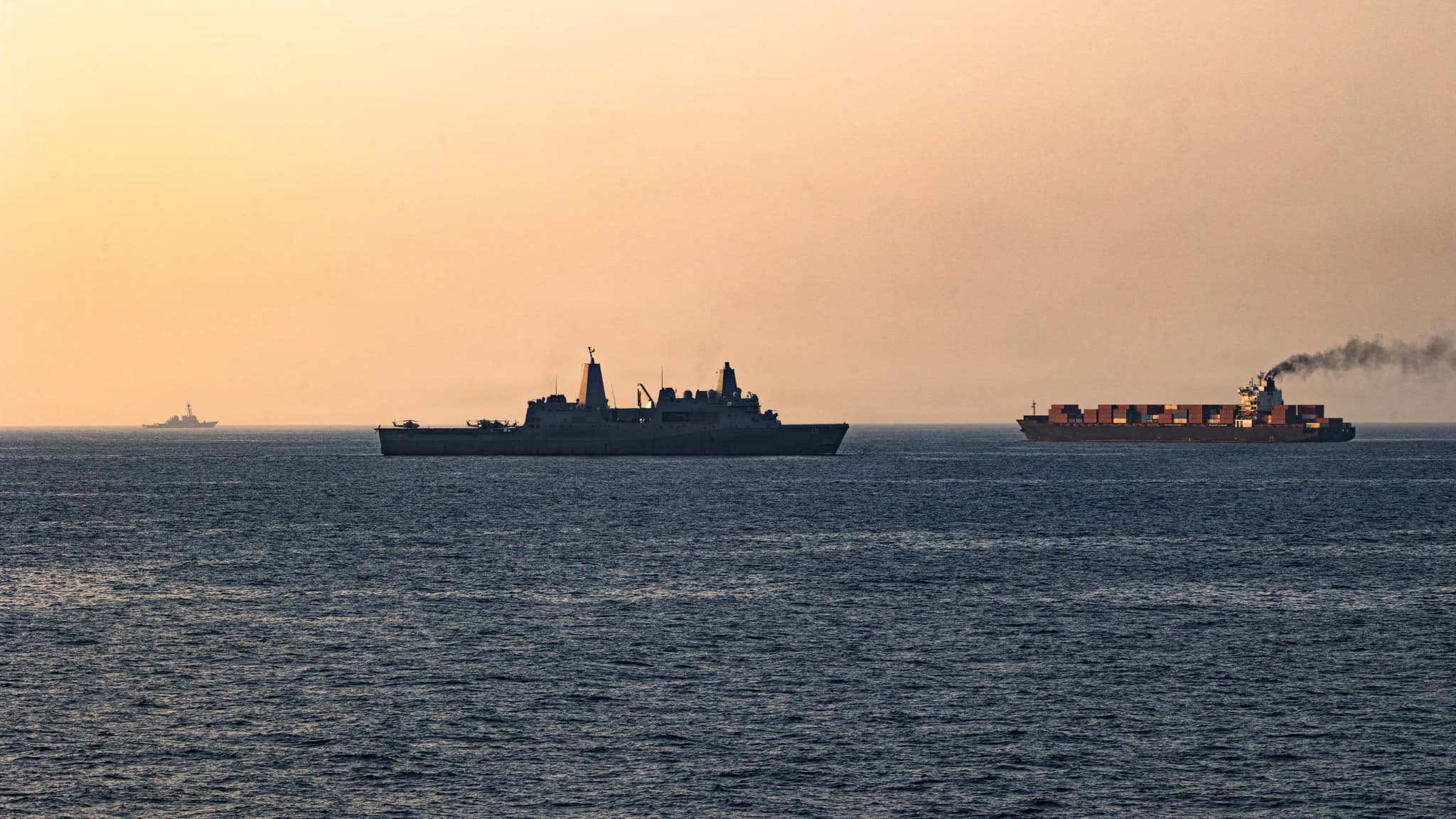
The extraction of marine aggregates in France is a modest activity, strictly regulated, and primarily serving the concrete market. It plays a significant role in meeting the specific technical needs of coastal territories and large urban areas connected to the sea by rivers. The regulatory framework surrounding this activity is stringent, including environmental assessments, compliance with maritime planning documents, and monitoring by mine police.
The potential indirect effects of marine aggregate extraction on the coastline are evaluated through scientific modeling, comparing the current state with the situation at the end of extraction. The method proposed in the guide utilizes four main models, complemented by optional modules for specific scenarios, to provide a reliable and transparent evaluation tailored to each territory’s characteristics.
Overall, this guide represents a significant advancement in assessing the potential indirect effects of marine aggregate extraction on the coastline. It is a reference tool aimed at guiding and informing extraction projects, harmonizing practices, and disseminating scientific knowledge to all relevant parties. The guide is available for download in French and English on the UNPG website.
(Communiqué from UNICEM and UNPG, April 2026)