Italy’s prime minister pledged to increase defense spending and urged NATO to focus more on drone warfare.
On June 11, Giorgia Meloni, Prime Minister of Italy, declared that the country would devote 2.8% of its gross domestic product (GDP) to defense and security in 2026, an increase of 0.71% from the previous year.
Last year, NATO allies agreed to raise their defense spending targets from 2% to 5% of GDP by 2035, of which 3.5% would be allocated to essential defense spending (troops, weapons and equipment) and the remaining 1.5% to related areas (security and infrastructure).
US President Donald Trump has put pressure on NATO members to strengthen their commitment to defense, a consistent priority of the Republican president since his first term.
Need to invest in drones
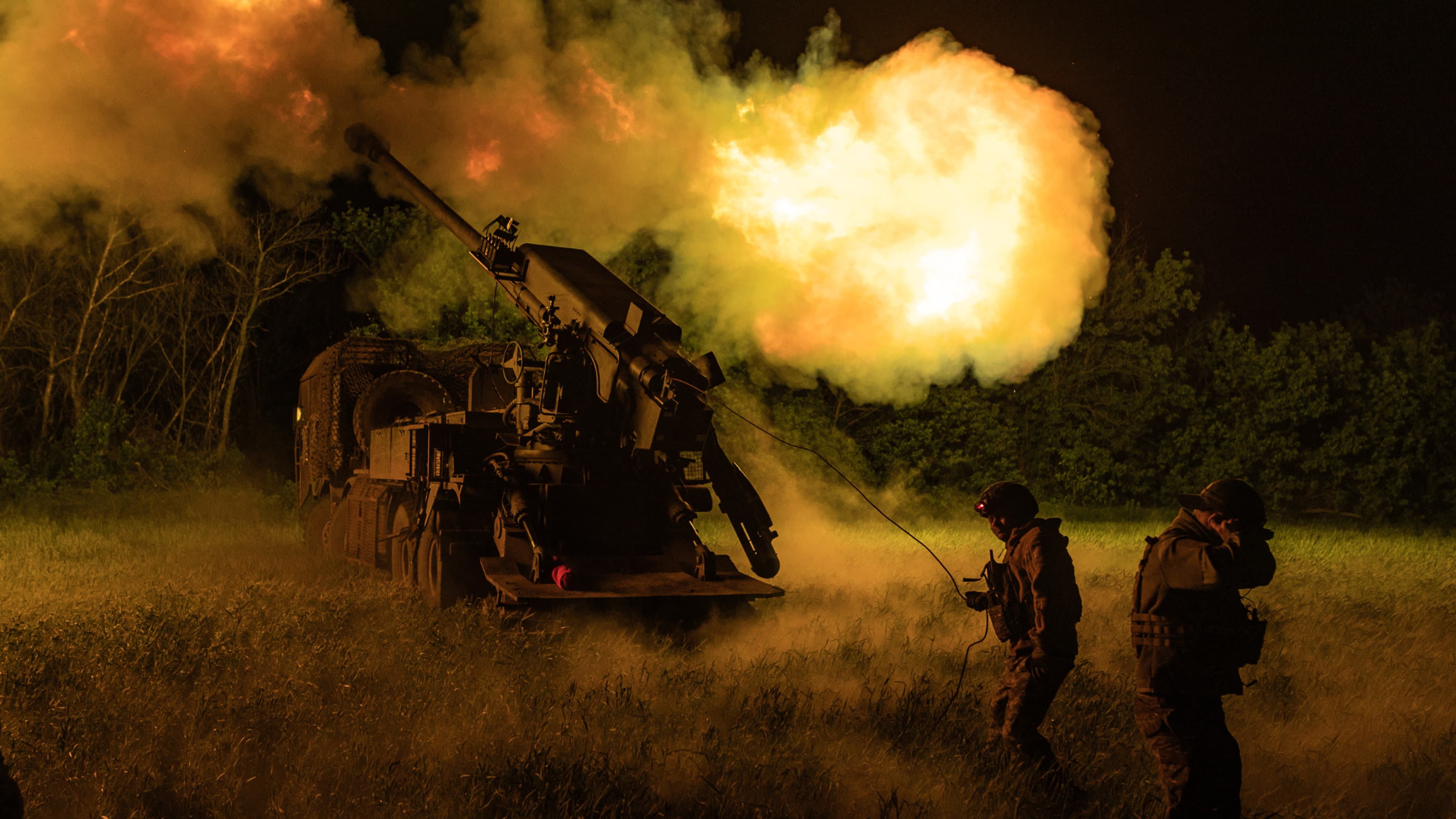
Ms Meloni said the debate on defense should not be limited to stated spending targets alone. She said the Russo-Ukrainian war, marked by massive use of drones, demonstrated that military power is no longer measured by spending on equipment or the use of traditional weapons.
Referring to the case of Ukraine, the Italian Prime Minister said the front line was blocked and infested with drones, adding: “We have seen tanks worth millions of euros destroyed by drones costing on average 20,000 euros ($23,000).
“Some countries, instead of recruiting soldiers, train children accustomed to video games, preparing them to pilot drones remotely in the event of conflict,” she said. “This is a debate that the West needs to have.”
She announced to the Italian Parliament that she would officially confirm her commitment to increase military spending at the NATO summit in July in Ankara, Turkey.
Ukrainian drone agreements
Since Russia’s invasion of eastern Ukraine in February 2022, kyiv has perfected its drone technology to the point of exporting its know-how to the rest of Europe and the Middle East. Earlier this week, Ukraine and Latvia signed a drone agreement.
The leaders of the two countries said the agreement would focus on cooperation based on kyiv’s battlefield experience, training and information sharing, as well as defense technological and industrial cooperation.
Ukrainian President Volodymyr Zelensky said these types of agreements “strengthen our common defense and co-production, and, importantly, it also means that Ukraine’s expertise and experience helps strengthen our partners.”
Latvian Prime Minister Andris Kulbergs called the deal “comprehensive defense cooperation,” writing on X that his country would adopt Ukraine’s experience in defending against drone attacks.
Europe is getting stronger
Countries on NATO’s eastern flank, such as Bulgaria and Poland, have said they will increase defense spending to 5% of GDP, with Bulgaria not specifying a deadline.
Poland, meanwhile, said allies should aim to meet that spending target by the start of the next decade.
“There is no point waiting until 2035 to reach 5%,” declared Polish Deputy Prime Minister Wladyslaw Kosiniak-Kamysz on May 6. “This goal must be achieved by 2030, because later it may be too late.”
Resignation of British Secretary of State for Defense
On June 11, the British Secretary of State for Defence, John Healey, resigned, accusing Prime Minister Keir Starmer of not having allocated the necessary resources to the country’s defense in the face of increasing threats.
In his public resignation letter, published on to defend in this period of growing threats.”
He said that, despite his collaboration with the Prime Minister and the Treasury in developing a defense investment plan, the final plan, which he said he became aware of on June 8, “falls far from meeting the needs of defense and the country at this critical time.” “.
The United States has also reoriented its defense and security priorities.
On January 23, the Pentagon released its National Defense Strategy, which outlines the US plan to prioritize homeland defense, including “defending American interests throughout the Western Hemisphere.”
It also said the United States would encourage its partners in other regions of the world, including Europe, to take primary responsibility for their own defense, “with essential but limited support from U.S. forces.”
/2021/12/14/61b8b99b4785b_valentine-pasquesoone.png "DIRECT. War in the Middle East: Israeli army issues evacuation orders for around thirty villages in southern Lebanon")
/2026/06/14/6a2e71ecbce52382479575.jpg "War in the Middle East: \"The Charles-de-Gaulle remains in the area until further notice\"according to the Chief of Staff of the Armed Forces")