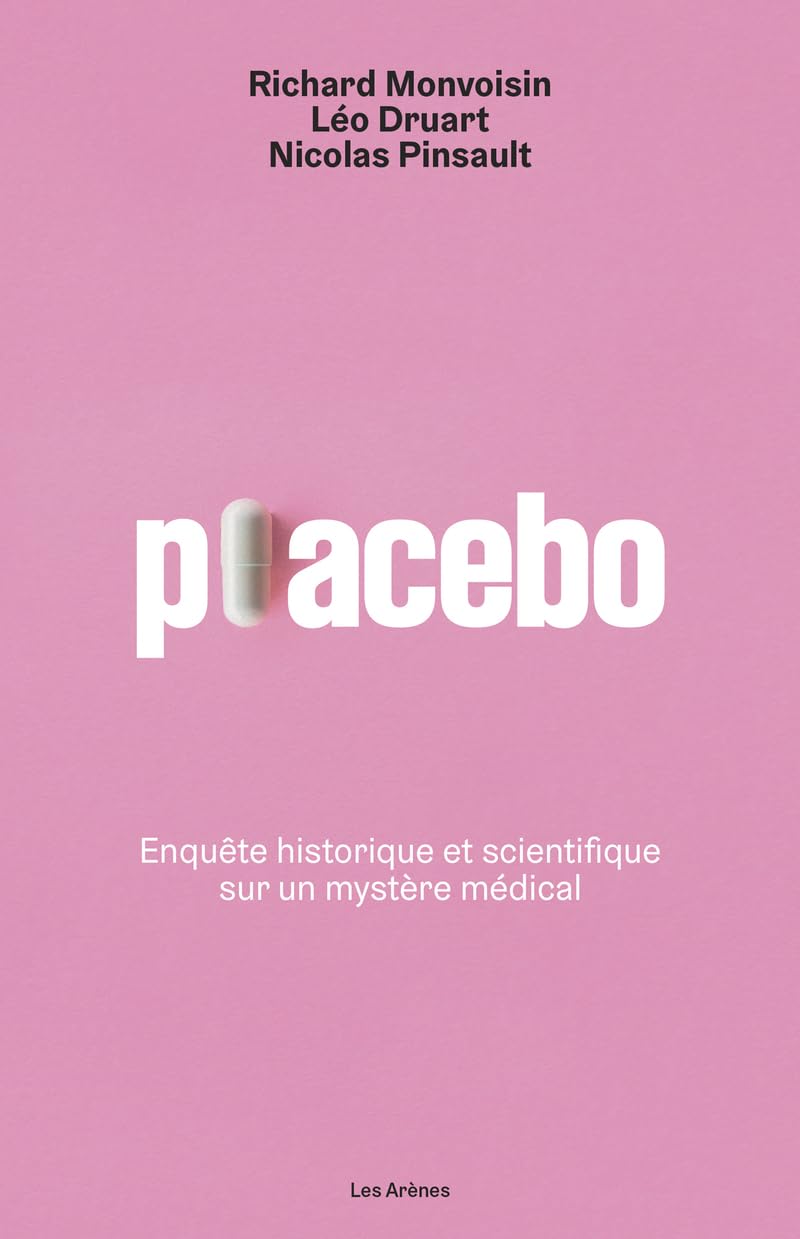
 Placeboby Richard Monvoisin, Léo Druart and Nicolas Pinsault (Les Arènes)
From the origins of medicine to the latest scientific discoveries, the history and reality of the placebo. Neither a lie, nor a magic formula, but an essential dimension of care.
Far from the clichés that reduce the placebo to a “false treatment”, three academics have published this fascinating investigation into a medical mystery. They begin by going back in time, to the origins of the history of care, inseparable from that of beliefs, expectations and the therapeutic relationship. From Mesopotamian doctors to contemporary practices, the trust, hope and reputation of the caregiver have always played a central role in the healing process. This leads the authors to explore the ethical ambiguities of care: do we sometimes have to reassure, conceal or even deceive to provide relief? So many debates around the “white lie”, incantations or therapeutic simulacra, which show that medicine has continued to oscillate between more or less scientific rationality and symbolic staging.
The magnitude of an effect still in the discovery phase
The book obviously questions the psychological and social mechanisms at work in any care relationship: expectations of the patient, effects of context, authority of the therapist, role of emotions. Everything is analyzed in detail, drawing on advances in science and our understanding, again incomplete, of the functioning of the nervous system to help us to better understand this placebo effect with considerable power. Including nuisance, with its negative version which can go as far as killing, the nocebo. But while the magnitude of an effect still in the discovery phase could tend to legitimize complementary or alternative therapies not validated by science, the authors endeavor to warn of the risk of accustoming patients to a magical relationship with health, and plead for transparency on a placebo response which constitutes, according to them, the the only plausible explanation for its apparent effectiveness. In the end, their book above all reminds us that treating never consists solely of administering a technique or medication: the way of speaking, listening, presenting oneself or creating a climate of trust fully contributes to the therapeutic effect. It’s no longer a mystery.
And also…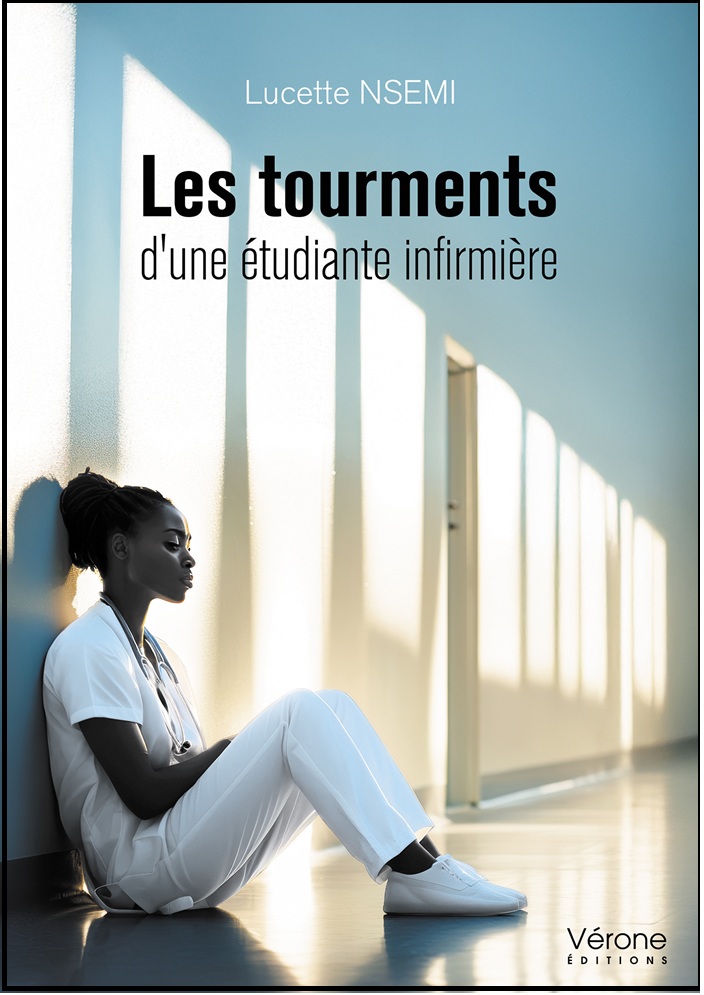
RÉCIT
The torments of a student nursede Lucette Nsemi (Verone edition).
Through the fictional character of Valentine, Lucette Nsemi delivers a deeply personal story about entering the world of care, between vocation, vulnerability and the violence of reality. An initiatory journey which takes place in the context of the Covid pandemic, with therefore the difficulty of finding one’s place between lack of staff, generalized fatigue and accelerated learning of the profession. The novice’s look Valentine describes the daily life of nursing internships: brutal discovery of the hospital, fear of doing wrong, confrontation with first aid, dependence, death and team tensions. There are of course doubts, and also these intimate wounds, such as the loss of a little brother at birth, which leaves a lasting trauma, even in its relationship to motherhood and care. Add to this ordinary racism, loneliness, as well as the need to continue despite everything, and you obtain a sensitive testimony which reminds us that students never arrive “virgins†in a service. They carry a history, fragilities, which contribute to the construction of a caring identity.
 BD
BD
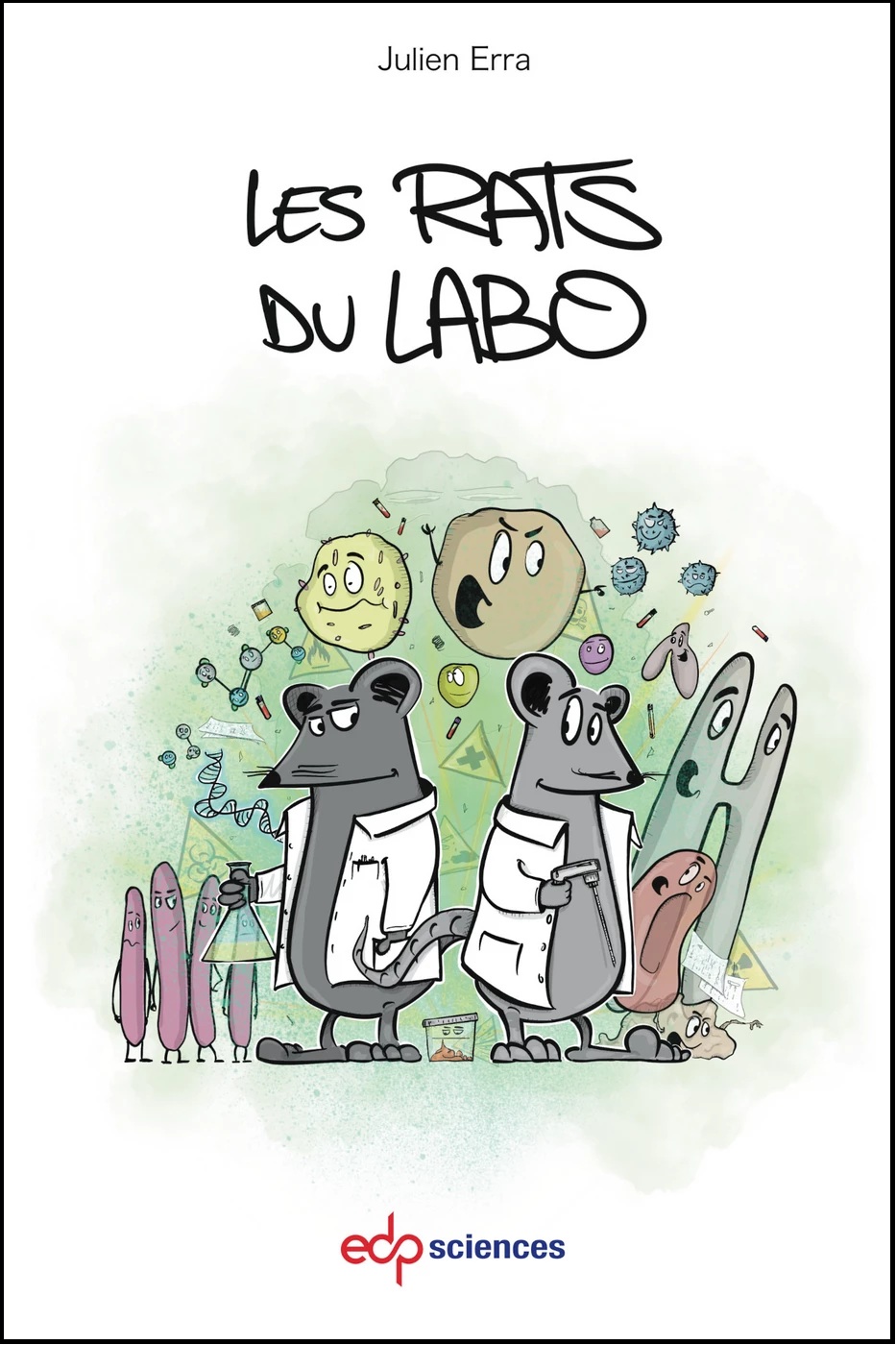
Les rats de labo, by Julien Erra (ECP Sciences)
Julien Erra a réussi un délicat exercice: transformer the often opaque behind the scenes of medical analysis laboratories in an educational and funny comic strip. With extensive experience, he takes the reader on a journey going from biological sampling to the interpretation of the results, including bacteriology, virology, genetics and even hematology. Without falling into the illustrated course, Erra shows the technical precision, the rigor and sometimes the absurdity of daily life in a laboratory. Deliberately caricatured, the drawing defuses the technicality of the subject and makes complex notions accessible, without oversimplifying them. Behind each tube of blood, we discover professionals who interpret, verify, doubt and contribute directly to medical decisions. Precious and effective insight into a little-known universe, at a time when care professions can suffer from invisibility.
Â