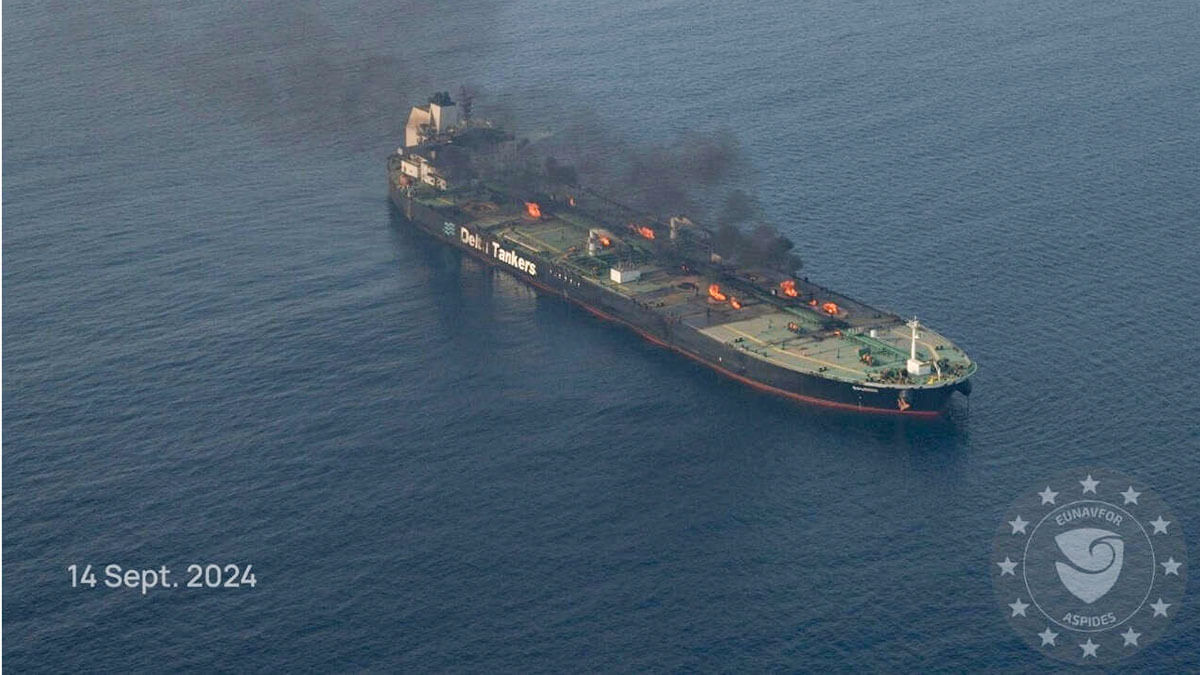
Is the ceasefire between Iran and the United States in the Middle East about to shatter? Washington and Tehran exchanged new strikes this Thursday, May 28, against a backdrop of disagreements in the negotiations to end the war. The Revolutionary Guards (IRGC) said they had targeted a US air base, in retaliation for strikes launched earlier against their site in Bandar Abbas, in the Strait of Hormuz, according to the Tasnim news agency.
An American official told him that “four Iranian attack drones” had been shot down and that the United States had carried out strikes against “a ground control station, in the port city of Bandar Abbas, which was preparing to launch a fifth drone”. “These actions were measured, purely defensive and aimed at maintaining the ceasefire,” the official said.
A military site targeted in Kuwait?
The IRGC specified that it had targeted the American air base from which the strikes against their Bandar Abbas site originated, without however specifying which one it was. Kuwait, which is home to a major American base, said it was responding to missile and drone attacks, without indicating their origin.
Israel, which is fighting Iran-backed Hezbollah militants in southern Lebanon, also reported setting off warning sirens after hostile air activity in northern Israel. This escalation is a reminder of the fragility of the ceasefire negotiated between the United States and Iran, which came into force at the beginning of April, dashing hopes of a peace agreement and causing a new surge in oil prices.
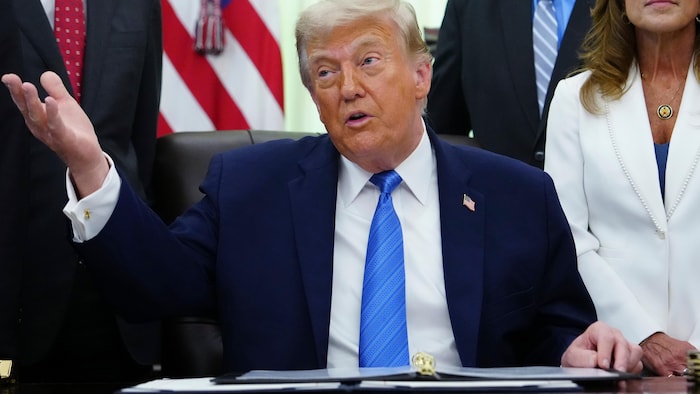
The first American strikes took place a few hours after Donald Trump categorically rejected, in front of American journalists, information from Iranian television on a draft unofficial agreement to restore maritime traffic in the strait, currently managed by Iran and Oman. The US president said no country would control the waterway and threatened Oman, a country with which the US has had military and economic ties for decades. “No one will control the Straits,” declared Donald Trump. “These are international waters and Oman will behave like everyone else, otherwise we will have to blow them up.”
Difficult negotiations
He added that he was not yet satisfied with a deal with Iran and that the United States was not considering easing sanctions on that country. On the Iranian side, Ebrahim Azizi, president of the Parliament’s committee on national security, declared that Donald Trump’s “rhetoric” would not succeed in forcing Iran to give up its demands for uranium enrichment, authority over the Strait of Hormuz and lifting of economic sanctions against him.
Since its outbreak on February 28 by American and Israeli strikes, the war has left thousands dead and led to a sharp rise in global energy prices. Donald Trump has often claimed to be close to an agreement to end the conflict. But the unblocking of the Strait of Hormuz, the dismantling of the Iranian nuclear program and the lifting of economic sanctions against Iran constitute major points of disagreement within the negotiations. The Strait of Hormuz is governed by international law which guarantees foreign ships the right to pass through it. The US Treasury Department has added the Persian Gulf Strait Authority, the Iranian body responsible for managing passage through this strategic route, to a list of sanctioned people and entities considered a threat to American national security.
After falling more than 5% on Wednesday, oil prices rebounded following reports of an escalation in hostilities. The price of American crude rose more than 3%, while stock markets fell and the dollar appreciated.