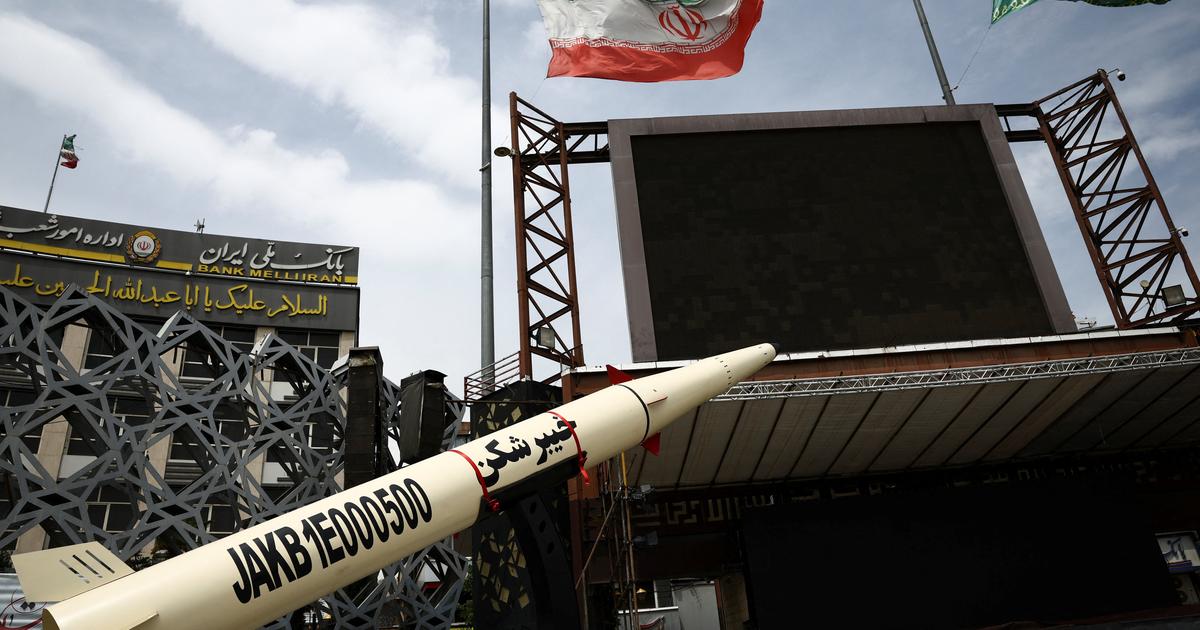
At the time of the last programming law, two and a half years ago, we mentioned the return of the experience of the war in Ukraine, it must be noted that now, we also have to integrate the teachings of the forty days of conflict in the Near and Middle East,” said the Minister of the Armies Catherine Vautrin during her examination by the Defense Committee in mid-April. “The world is hardening all around us, so we must go faster and strike harder,” added Catherine Vautrin to justify this adjustment.
Budgetary and Political Perspectives Adopted by the committee with the support of the central bloc and the socialists, the text still raises concerns. Several deputies consider its scope inadequate in the face of the risk of confrontation with Russia, at a time when the alliance with the United States under Donald Trump is being undermined. Others temper the impact as 2027 is a presidential election year, with a future head of state likely to propose his vision through a new text.
“The presidential election will be marked by the international situation, because we must not imagine that it will improve,” notes the rapporteur of the text Yannick Chenevard (Renaissance). Yannick Chenevard believes that the next “chiefs of the armies will have an obligation to work with Parliament on a new programming law.” While not planning to change the format of the armies, the project debated from Monday afternoon in the hemicycle until Thursday focuses on necessary investment positions, starting with ammunition.
New Security and Surveillance Measures In addition to the investment component, the text introduces some innovations. First, it intends to create a new “national security alert state,” allowing for derogations from several construction, expropriation, or environmental rules in the event of a “serious threat” to the Nation. The measure raises concerns on the left, which fears a new “state of exception” with criteria for activation that are “too vague.” The goal is to be able to adapt to a context that is no longer “a time of peace” or “a time of war”, “without touching public liberties,” defended Catherine Vautrin.
Another article in the draft law would allow certain operators, including airports, to use jamming or neutralization devices for drones, including delegating this task to subcontractors. Unwanted drone intrusions into airspace have multiplied in Europe, with some airports forced to suspend air traffic last year.
Recruitment and Digital Tools The text also addresses the new military and volunteer national service whose recruitment campaign started in January. This transitional year of service for the armies, paid and lasting ten months, is mainly aimed at young people aged 18-19. Costing 2.3 billion euros over five years, the project is considered inadequate by the left, which sees it as an attempt to forget the failure of the Universal National Service, launched in 2019 but never generalized.