European pillar in NATO: Is it a reality or just a facade?
Before the meeting of NATO Defense Ministers on February 12, 2026, several announcements were made by the organization’s Secretary-General and the Supreme Allied Commander in Europe (SACEUR). These announcements concerned the distribution of responsibilities among regional commandments and the nationality of officers appointed to lead these staffs.
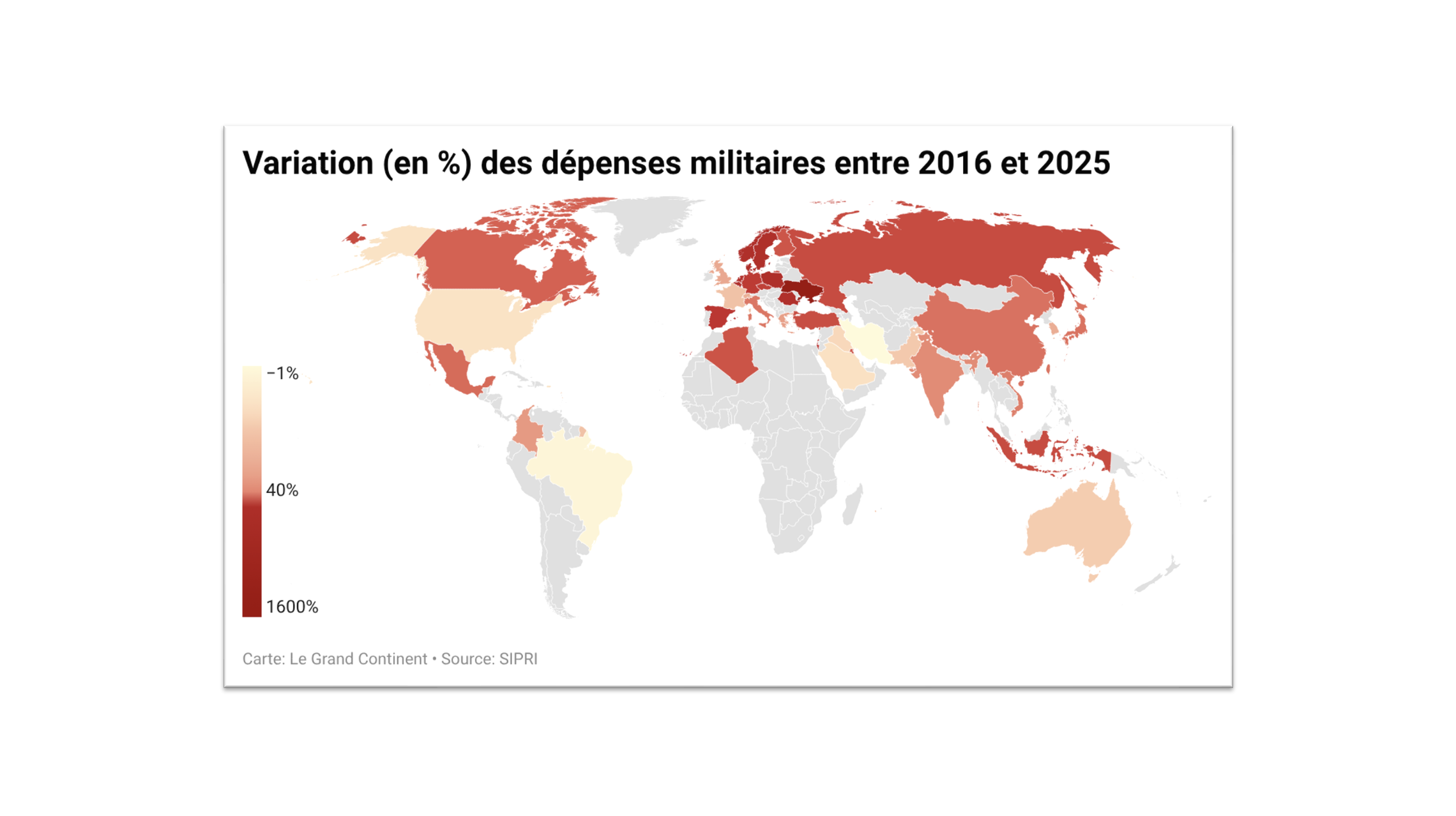
There is a question as to whether the European countries are reinvesting in the defense of their own continent within NATO, aiming to be able to do so without massive American involvement. Conversely, are the United States demanding more European investment without giving them control over this defense?
This article will examine whether this signifies a greater responsibility assumed by European countries within the Alliance, whether the redistribution of responsibilities signals American disengagement, or whether it is more of a communication operation aimed at appeasing the US President by concretely illustrating burden sharing. It will also focus on France’s position in this “New Deal” that has long advocated for European defense and may be satisfied with this development.
The European Pillar in NATO
The issue of European contribution to NATO has been a longstanding concern, closely tied to burden sharing between both sides of the Atlantic. This has been a contentious issue under various US administrations, including the current one, but with less hostility compared to the previous administration.
The term “European pillar” emerged in the context of the war in ex-Yugoslavia in the 1990s, aiming to highlight European problems and encourage European states to take action if NATO did not intervene in a crisis affecting European countries. However, this concept eventually faded due to American hostility, which viewed this European initiative as a risk of decoupling, duplication, and discrimination against them.
Most European states fell in line, except for France, which supported the idea of European strategic autonomy but remained outside the organization. This led to accusations of duplication and sabotage against NATO. The relevance of the French vision only became clear to other European states during Trump’s first term and the threats of American disengagement. However, recent events such as the conflict in Ukraine have forced a shift toward realism.
A Ministerial Meeting that Reframes Positions and Eases Tensions
Against the backdrop of tensions, the NATO Defense Ministers meeting on February 12, 2026, continued the trend of US officials playing a limited role in such meetings. This reflects a broader shift in command structures within NATO, signaling a partial Europeanization of certain positions.
In essence, Europeans are taking over key operational roles within NATO, but the ultimate decision-making power still rests with the United States. While some view this as a positive step towards more European autonomy, the reality may be more constrained in terms of actual authority.
The New Dynamics within NATO
Alongside redistributing command positions, NATO’s Military Committee announced changes in geographical responsibilities for Joint Force Commands. These changes highlight a more European-focused approach in operational planning and execution.
These adjustments underscore the shifting power dynamics within NATO, where command roles are diversifying amongst European nations but overall strategic control remains in American hands.
The Impact of the New Scenario on France’s Position
France’s dwindling influence within NATO and the European Union is reflected in recent structural changes, financial constraints, and geopolitical realignments. The push for European strategic autonomy has faced hurdles, particularly as traditional European powerhouses struggle to maintain alignment.
France’s unique position as the sole independent nuclear power in Europe could be a key asset in reshaping the narrative within NATO. However, the pragmatic approach of European states, along with the unpredictable nature of American policies, may limit France’s ability to steer the European strategic agenda.
France’s Nuclear Deterrence: A Critical Asset
France’s nuclear deterrent remains a crucial element of its defense posture, providing a unique form of security assurance. Collaboration between France and Germany on strategic issues may herald a new phase of European strategic cooperation, but challenges remain in reconciling divergent visions and interests.
The evolving landscape within NATO and the wider geopolitical context could prompt a reassessment of European strategic autonomy, potentially elevating France’s role in shaping Europe’s political landscape.
Photograph Credits: Michele Ursi
These photographs provide visual context to the complexities and dynamics of European defense policy within NATO.