The degradation is settling in. The 155th barometer of SME-ETI confidence, published by Grant Thornton in mid-April, confirms a lasting shift in the economic climate. Conducted by OpinionWay among 220 leaders, the study highlights a marked drop in optimism, in a tense international context.
“March was a warning. April confirms: leaders of ETIs and SMEs are no longer facing a conjunctural shock, but a profound recomposition of global economic balances. Prudence has taken root in strategies, employment is stagnating, and decisions must be made. It is precisely in these moments that quality support makes the difference, the kind that helps to decide, not just to wait,” said Adam Nicol, president of Grant Thornton.
A Declining Confidence in the French and Global Economy
The study’s signal is clear: only 22% of leaders are optimistic about the evolution of the French economy, historically low since the end of the health crisis, compared to 66% a year ago. All sectors are affected, with a majority of concerned actors in industry, commerce, and services.
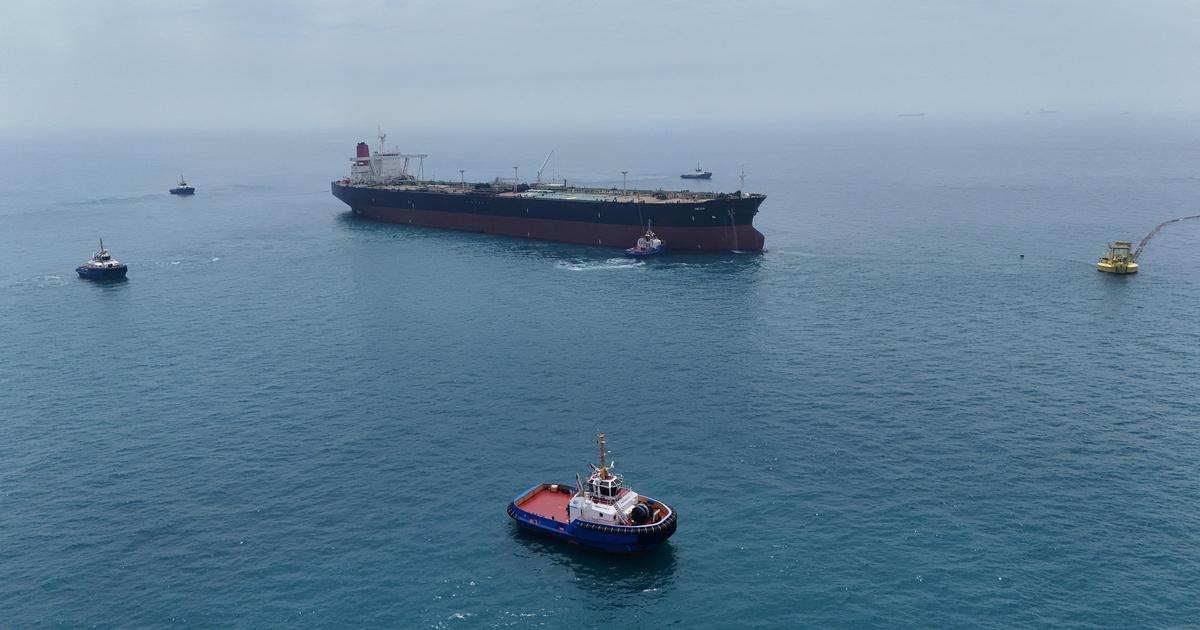
Internationally, the situation is even more degraded. Confidence drops to 18%, an unprecedented low since 2020. The tensions in the Middle East exacerbate the effects of the oil shock and disrupt global supply chains.
Activity: A General Decline
Companies’ activity prospects are also decreasing. This month, 66% of leaders feel confident about their own company, a 10-point drop in two months. The indicator falls below 70%, breaking the positive trend observed in 2025. All sectors are affected: services decline to 75%, commerce to 65%, and industry to 61%. A uniform decline reflecting a general concern.
Previously resilient, employment dynamics are slowing down significantly. Only 11% of leaders plan to increase their workforce, while 10% expect to reduce it. The employment balance drops by 1 point, indicating a fragile situation. This apparent stabilization masks a real risk of shifting into negative territory, in an environment marked by uncertainty.
Growth and Investments under Pressure
Growth prospects are contracting sharply: 39% of leaders anticipate progress, down from 55% in February. Conversely, stagnation becomes the dominant scenario for 50% of them.
Strategic decisions are evolving. The proportion of companies not considering certain investments is increasing, especially in R&D and international ventures, reflecting a focus on immediate priorities. Additionally, 26% of leaders plan external growth operations, with 10% certain about it.
International tensions once again become the main concern for leaders: 61% prioritize geopolitical issues, while 64% believe the conflict in the Middle East influences their prospects.
Adaptation and Focus Strategies
Faced with this context, companies are adjusting their strategies. Nearly 59% anticipate an impact on their prices, mainly increasing due to energy costs. Supply chains are also evolving: 53% of leaders are considering modifications, ranging from diversification to reducing suppliers.
Finally, energy projects are being reevaluated. Over half of the leaders expect adjustments, between slowing down and accelerating investments. In this uncertain climate, some issues such as skills, cybersecurity, or regulation temporarily take a back seat, a sign of strategic realignment dictated by economic urgency.