Alaeddin Boroujerdi, vice-president of the Iranian Parliament’s National Security and Foreign Policy Commission, said on Wednesday that Iran’s missile and drone stocks are “sufficient to support years of war,” in an interview with the semi-official Tasnim news agency.
Boroujerdi emphasized that Tehran has not yet revealed all of its capabilities. He stated, “We have not yet shown our new cards,” according to Tasnim.
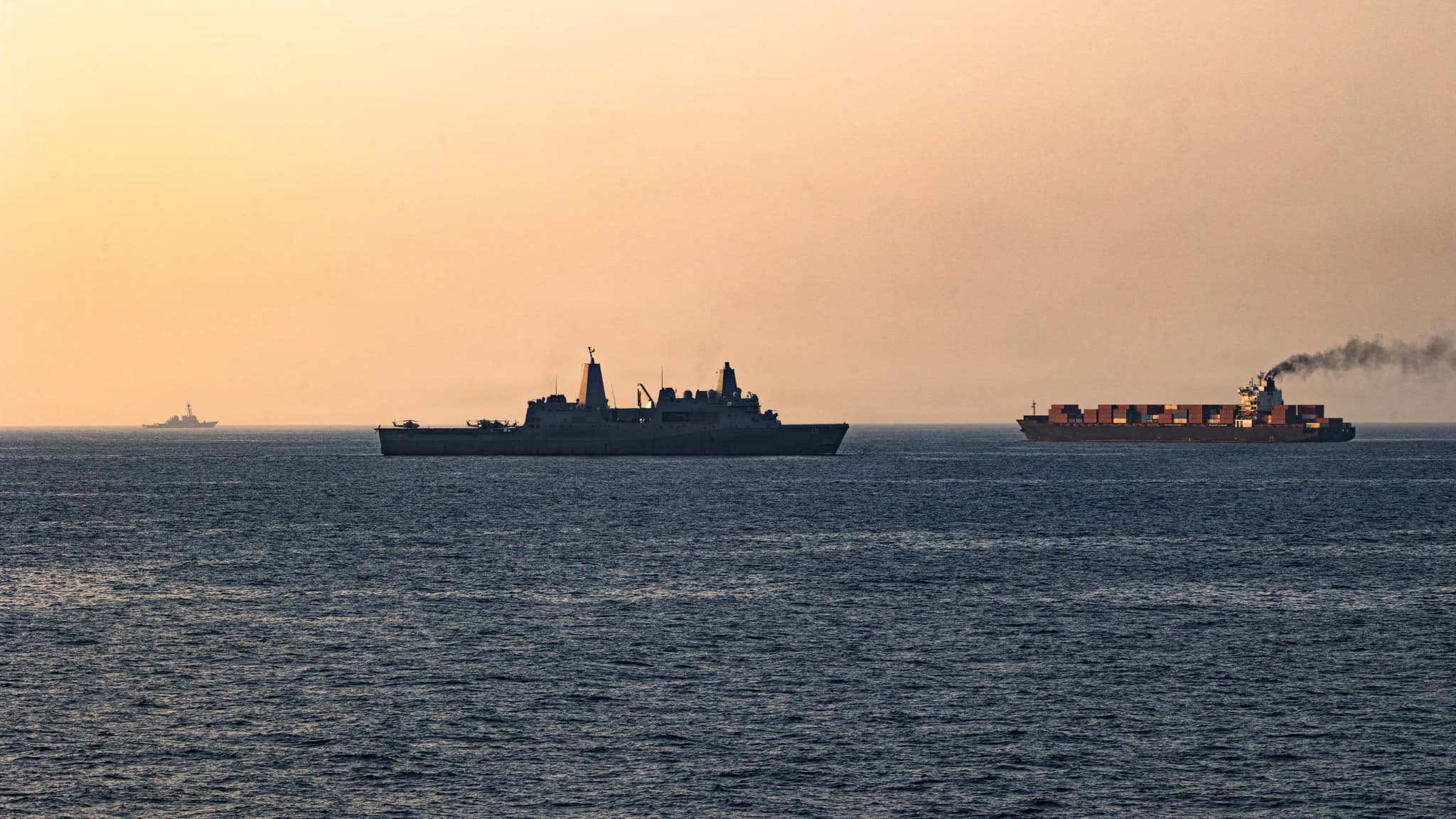
Boroujerdi criticized what he called the inefficacy of the American presence in the Strait of Hormuz, noting that about 120 ships are currently waiting to transit through the strait. He added that many Iranian ships continue their activities without American intervention.
Speaking about regional dynamics, he highlighted the strategic importance of the Bab el-Mandeb Strait, connecting the Red Sea to the Gulf of Aden, similar to the significance of the Strait of Hormuz. He mentioned that developments in this area could also impact maritime routes.
The Iranian official further asserted that Iran would not give up its sovereign rights in the Strait of Hormuz, stating that these issues would be addressed in negotiations.
In addition, Hamad Akbarzadeh, political advisor to the commander of the Islamic Revolutionary Guard Corps’ navy, stated that naval forces would utilize new capabilities in the event of American military action.
During a public gathering in the southern city of Minab, he warned that if the United States initiated military action, the IRGC navy would deploy advanced targeting systems and operational capabilities.
He indicated that these means could be used against large military vessels in the region.
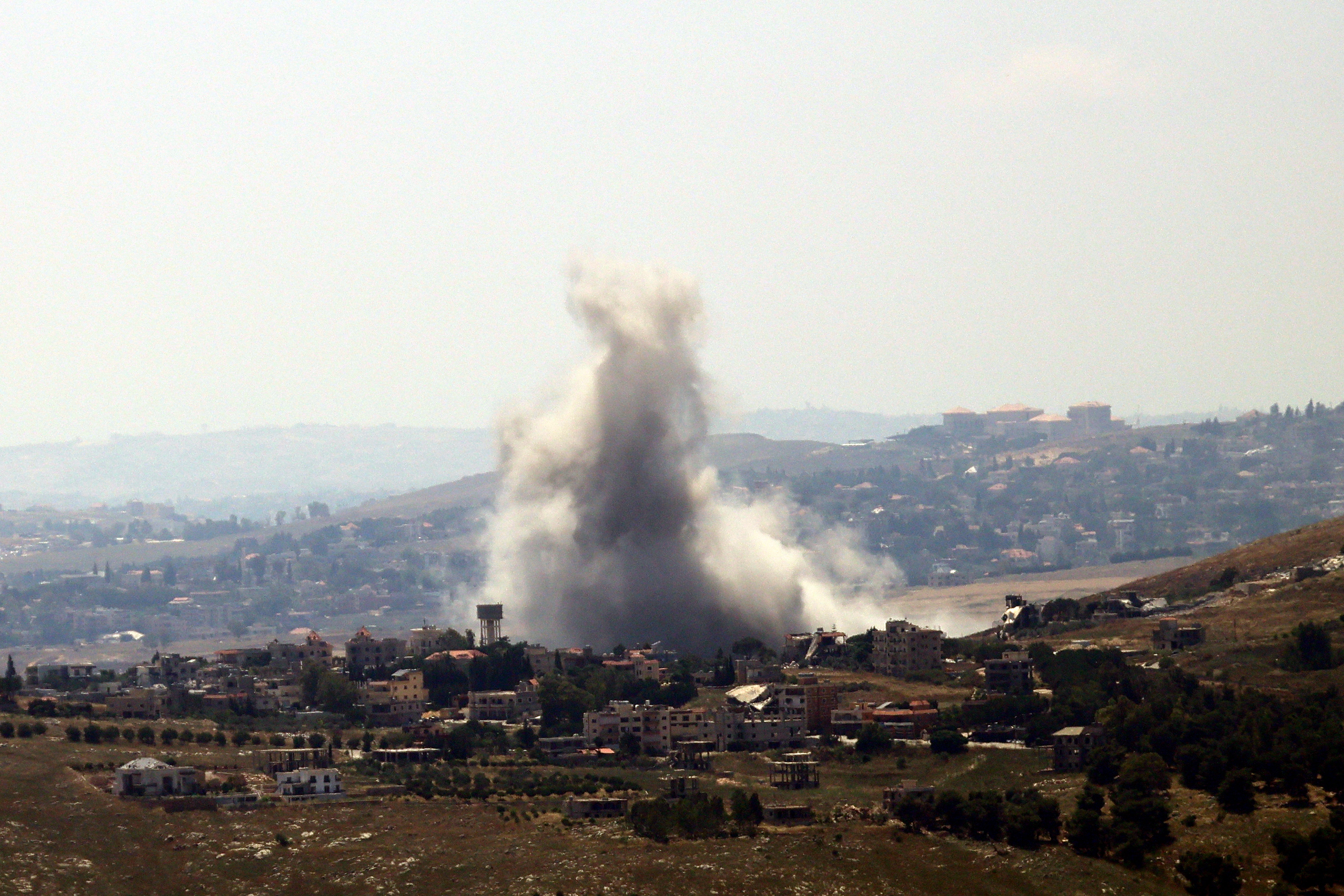
The United States and Israel launched a joint offensive against Iran on February 28, prompting Tehran to respond with strikes targeting what it described as American interests in the region, particularly in Gulf countries.
A ceasefire was announced on April 8 thanks to Pakistani mediation, followed by discussions held in Islamabad on April 11 and 12, which did not lead to an agreement.
U.S. President Donald Trump then indicated that the ceasefire had been extended at Pakistan’s request, pending a proposal from Tehran. He also suggested on Monday that he was unlikely to accept Iran’s latest proposal to end the war, after Tehran suggested reopening the Strait of Hormuz while postponing talks on its nuclear program.
#Hormuz
#Iran
#Israel
#US
#missiles
#drones
#Strait of Hormuz
#United States
#IRGC
#Gulf
#regional tensions
#Iranian nuclear
#Middle East war