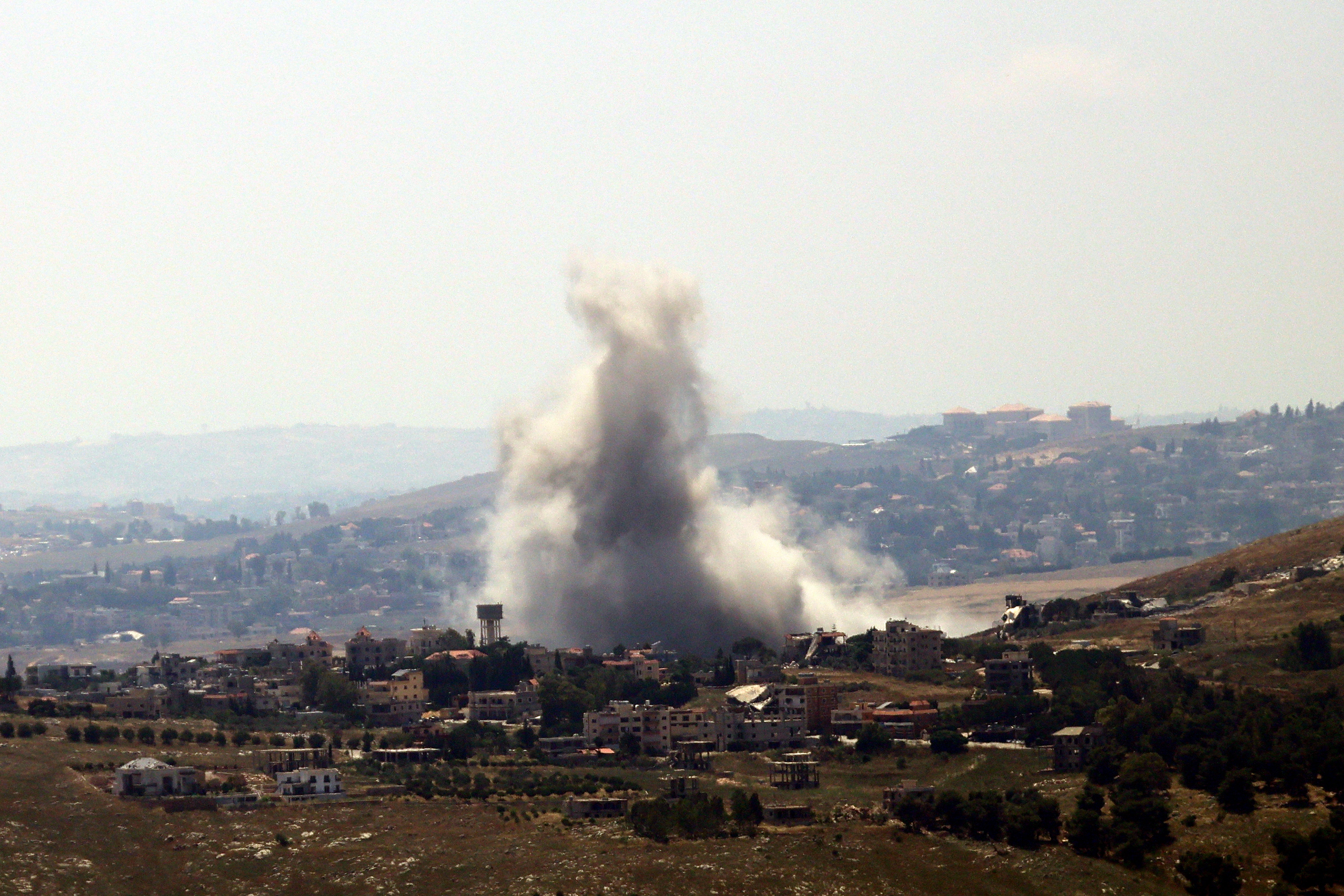
Concerns about the impact of the war in Iran on the global economy intensified on Monday as new countries announced emergency support measures to counter the surge in energy costs, while others called for international aid.
The conflict – the third major shock to hit the global economy after the COVID pandemic and the invasion of Ukraine by Russia – will dominate discussions among finance officials gathered this week at the International Monetary Fund in Washington.
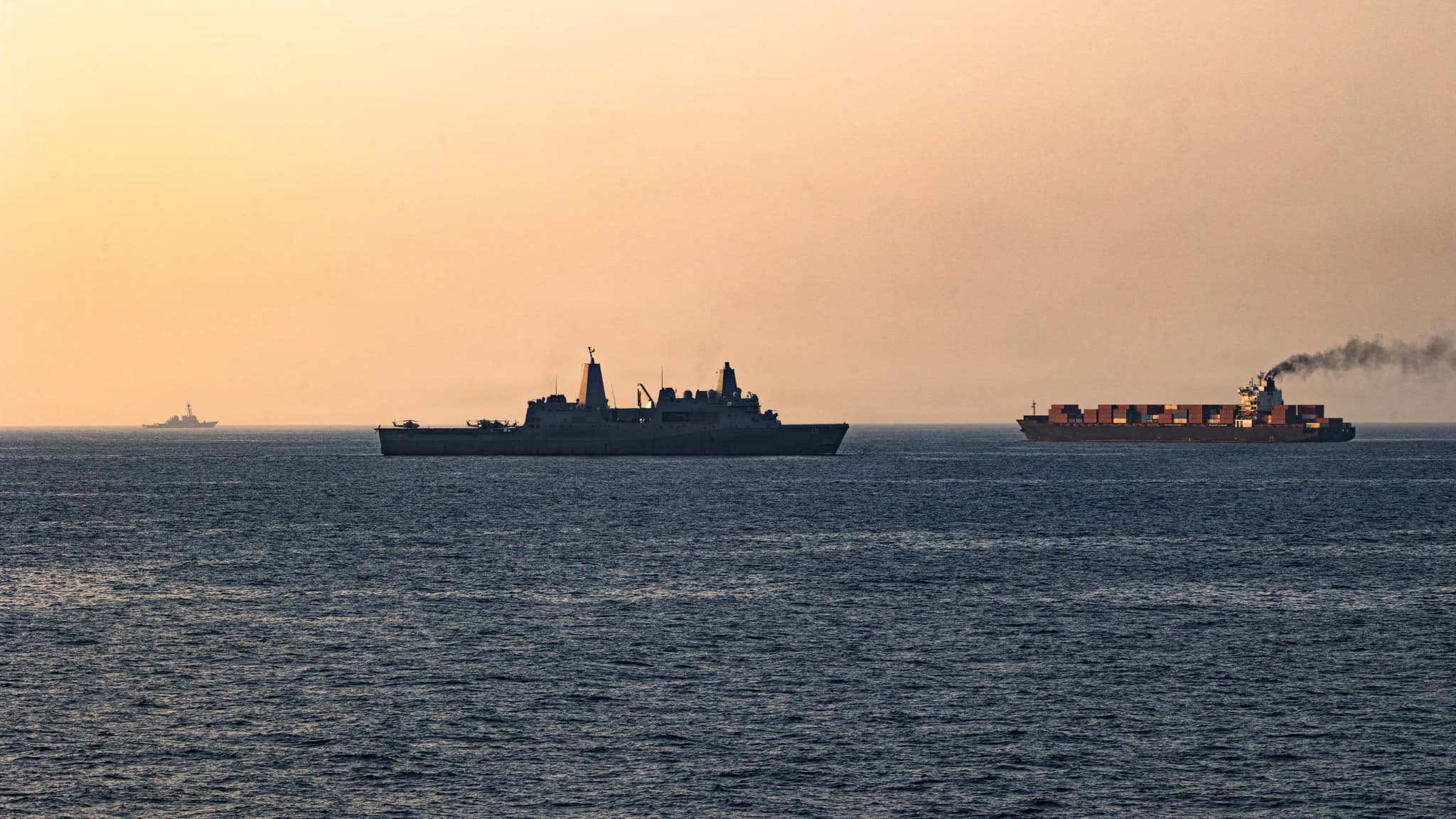
Any hopes of a quick recovery in oil shipments through the Strait of Hormuz, a key chokepoint, were dashed after the failure of talks between the United States and Iran over the weekend, further jeopardizing a fragile ceasefire.
The IMF and the World Bank have already indicated that they will revise down their global growth forecasts and increase their inflation projections due to the war, with emerging markets and developing countries expected to be the hardest hit.
Nigeria stated on Monday that it would need increased international support to cope with fuel costs domestically, despite the boost in foreign currency revenues for the continent’s top oil producer.
“This shock comes at a critical transition point, intensifying inflationary pressures and raising the cost of living for households,” said Finance Minister Wale Edun in a statement ahead of this week’s meetings in Washington.
Local gasoline prices have risen by over 50% and diesel prices by over 70% since the conflict began, potentially derailing efforts launched in 2023 to stabilize the economy and spur growth.
Few countries are immune to the aftershocks of the energy supply disruptions since the war broke out on February 28, causing the worst disruption to global supplies ever recorded.
Several governments have already taken steps to conserve energy or support consumers, with the German coalition government agreeing on Monday to reduce fuel prices by 1.6 billion euros through tax cuts on diesel and gasoline.
“This war is the real cause of the problems we are facing in our own country as well,” said Chancellor Friedrich Merz during a press conference.
Sweden also announced plans to reduce fuel taxes and increase electricity subsidies as part of an approximately $825 million plan.
“This is a sign that we will do whatever it takes to… mitigate the shock for households facing the current situation,” said Finance Minister Elisabeth Svantesson.
British Finance Minister Rachel Reeves is set to outline her approach later this week to assist businesses dealing with high energy prices, with her predecessor urging closer alignment with the EU post-Brexit.
The war in Iran is also reshaping central bank policies worldwide as policymakers assess how it will weigh on economic growth while exacerbating inflation – potentially simultaneously, leading to feared “stagflation.”
The Vice President of the European Central Bank, Luis de Guindos, stated on Monday that any ECB rate hike would depend on how the increase in crude oil costs affects prices across the economy.
The Bank of Japan policymakers are also keeping all options open ahead of their monetary policy meeting this month, although the likelihood of a rate hike, once seen as very probable, is diminishing.