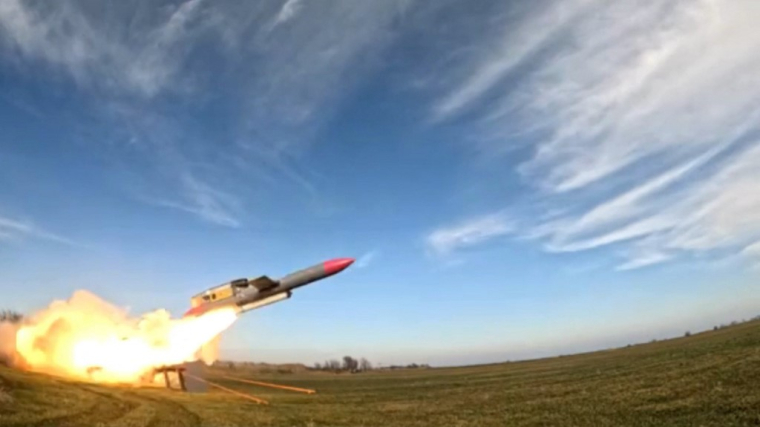
Civilian populations today constitute the vast majority of victims in armed conflicts, including a large number of women and children. France recognizes the serious humanitarian concerns related to the excessive and indiscriminate use of explosive weapons in areas where civilians are heavily present. This use is likely to cause civilian casualties and the destruction of essential infrastructure, hindering the return of displaced populations and the re-establishment of normal living conditions. France believes it is crucial to promote the protection of civilians in all United Nations activities.
In its first resolution 1265 (1999) on this issue, the Security Council stated that certain situations characterized by serious violations of international humanitarian law and human rights (particularly targeted attacks against civilians) could constitute a threat to international peace and security.
While the protection of civilians is primarily the responsibility of states, all parties must ensure the protection of civilians and health personnel, and respect the obligations arising from international humanitarian law and international human rights law.
Civilian protection is viewed from several perspectives:
Unrestricted humanitarian access
France attaches great importance to compliance with international humanitarian law, essential for ensuring access to populations in distress. Humanitarian aid must be able to be delivered in a manner that is safe and unrestricted.
In this spirit, France is actively engaged in UN negotiations aimed at ensuring unrestricted and safe humanitarian access and protecting humanitarian and medical personnel. In 1988, at France’s initiative, the United Nations General Assembly unanimously adopted a resolution proclaiming the principle of free access to victims of natural disasters and other emergency situations for intergovernmental and non-governmental organizations (resolution 43-131 of December 8, 1988, and resolution 45-100).
Resolution 1502 adopted by the Security Council in 2003 (among others), and an annual resolution adopted by the General Assembly (the most recent, resolution 74/116 adopted on December 16, 2019), condemn acts of violence against humanitarian personnel, United Nations personnel, and associated personnel, call for those crimes to not go unpunished, affirm the duty to protect this personnel by all parties to an armed conflict, and demand unrestricted humanitarian access to all those in need of assistance.
France and Germany have made the protection of humanitarian and medical personnel, as well as the strengthening of respect for international humanitarian law, a priority during their presidencies of the Security Council in March and April 2019. In September 2019, they presented a Call to Humanitarian Action, endorsed by 47 states to date.
In peacekeeping operations
The protection of civilians is at the core of peacekeeping mandates.
Resolution 1674, adopted in 2006, sets out the general normative framework for the Security Council’s action on the protection of civilians in armed conflicts. This resolution provides for the communication of all relevant information and analysis on the protection of civilians to the Council, as well as the inclusion in the mandates of UN peacekeeping missions of provisions to:
- Protect civilians in case of imminent threat to their physical integrity
- Prevent and respond to sexual violence
- Facilitate humanitarian assistance
- Ensure security in refugee camps and surrounding areas, as well as the security of those living there
- Create conditions conducive to their voluntary and secure return
A working group of the Security Council on the protection of civilians convenes before each mandate renewal to hear a briefing from the Office for the Coordination of Humanitarian Affairs on the situation of civilians in the country or region concerned. France and the United Kingdom initiated the creation of this group in late 2008.
Specific groups of civilians
Millions of civilians are victims of conflicts, with particularly vulnerable populations such as women or children being targeted. Furthermore, sexual violence is used in many conflicts as a weapon of war against civilians, with women and girls being disproportionately affected.
The Security Council has adopted several key resolutions in this regard, including:
- Resolution 1612 (2005) on children and armed conflict, reaffirmed by resolution 2427 (2018)
- Resolution 1325 (2000) on women, peace, and security, reaffirmed by resolution 2493 (2019)
- Resolution 1820 (2008) on sexual violence in armed conflicts and reaffirmed by resolution 2467 (2019)
France and the United States were actively involved in the adoption of these resolutions, which call for enhanced efforts to combat impunity for perpetrators of sexual violence, recognize sexual violence as a tactic of war, provide for targeted sanctions against those responsible for such crimes, and give a clear mandate to the Secretary-General and peacekeeping operations to address various aspects of this issue.
Other resolutions specifically address issues such as the protection of journalists, media professionals, and persons with disabilities in situations of armed conflict and humanitarian crises.