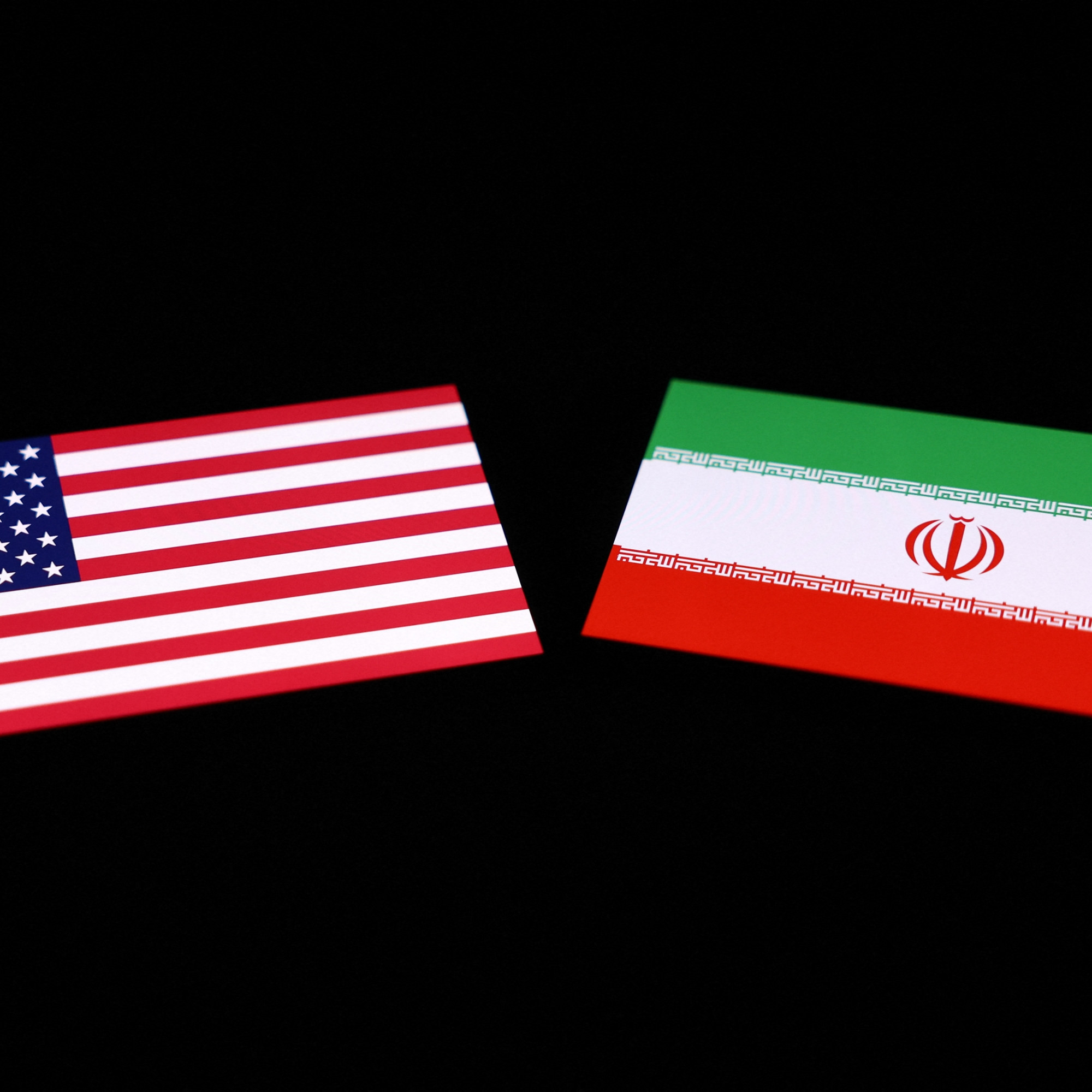
The International Monetary Fund (IMF) is pleased with the cooperation between the world’s two largest economies. The IMF believes that the war in the Middle East is pushing the global economy towards a scenario of slower growth. The Fund is continuing to explore options for assisting countries facing high energy prices.
The IMF expressed satisfaction with the positive initial dialogue between U.S. President Donald Trump and Chinese President Xi Jinping, stating that reducing tensions and uncertainty between the two largest global economies is beneficial for the world. The IMF has long been urging the U.S. and China to resolve their trade disputes through dialogue rather than unilateral measures.
Amid pressures related to the war in the Middle East and the closure of the Strait of Hormuz by Iran, which has kept crude oil prices above $100 per barrel, the global economy is clearly moving towards the intermediate scenario among the three economic scenarios presented by the IMF in its April World Economic Outlook.
The IMF’s intermediate “unfavorable scenario” predicts a decline in global real GDP growth to 2.5% this year, compared to 3.1% in the more optimistic “baseline forecast” assuming a swift end to the conflict, and 3.4% in 2025. This scenario also expects oil prices to remain at $100 per barrel for the year.
IMF Managing Director Kristalina Georgieva will discuss global economic issues with finance ministers and central bank governors from the G7 industrialized democracies in Paris next Monday and Tuesday. The IMF is also continuing discussions regarding potential financial assistance for member countries facing rising energy and commodity costs due to the Middle East conflict.
During spring meetings in April, the IMF and World Bank stated that at least 12 countries may need a total of $20 to $50 billion in assistance, and the two institutions are currently collaborating on the best way to help member countries. The IMF has cautioned member countries against general fuel subsidies that would drain limited budget resources and fuel oil demand at a time when supply is restricted, leading to price spikes.