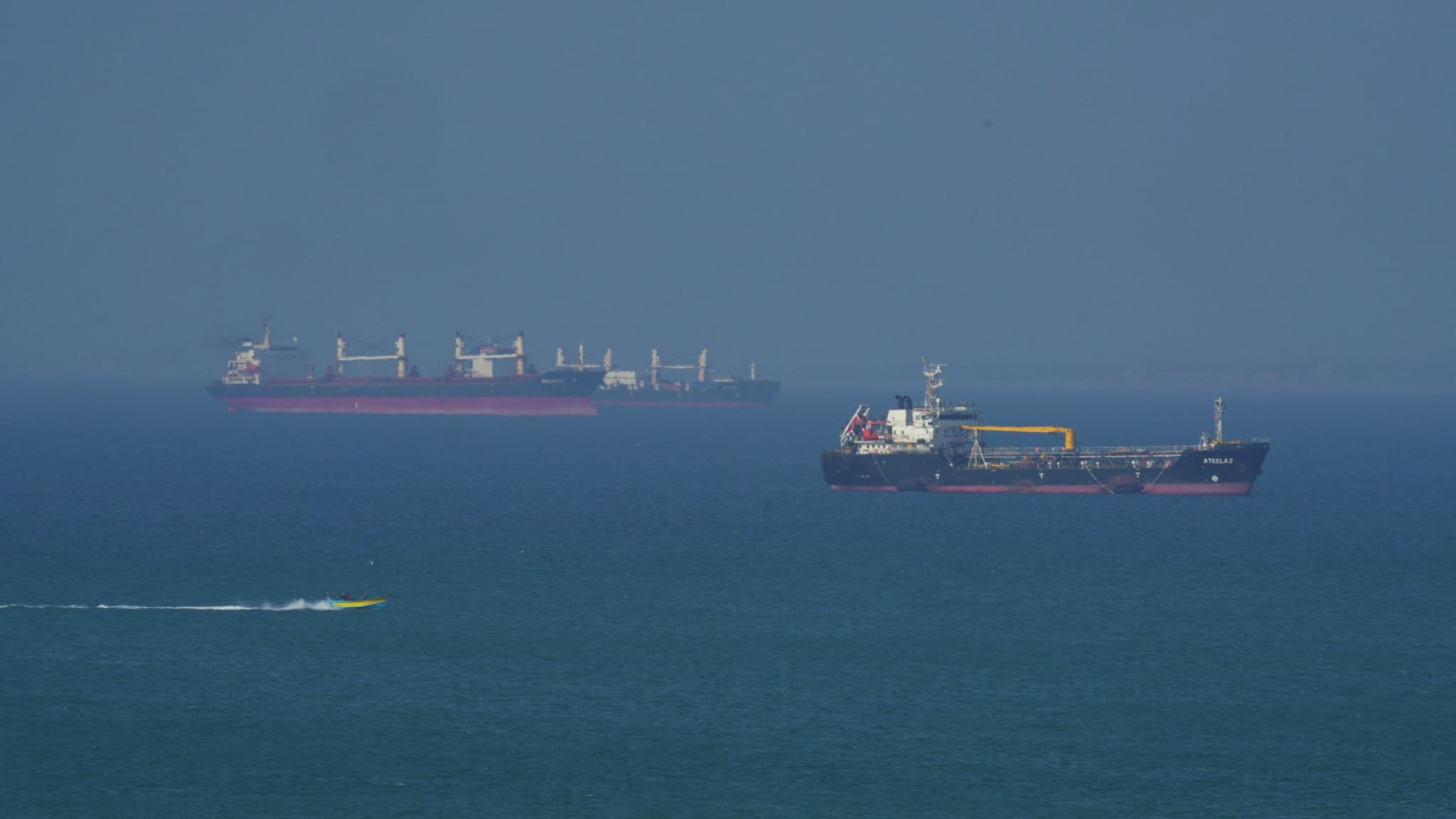
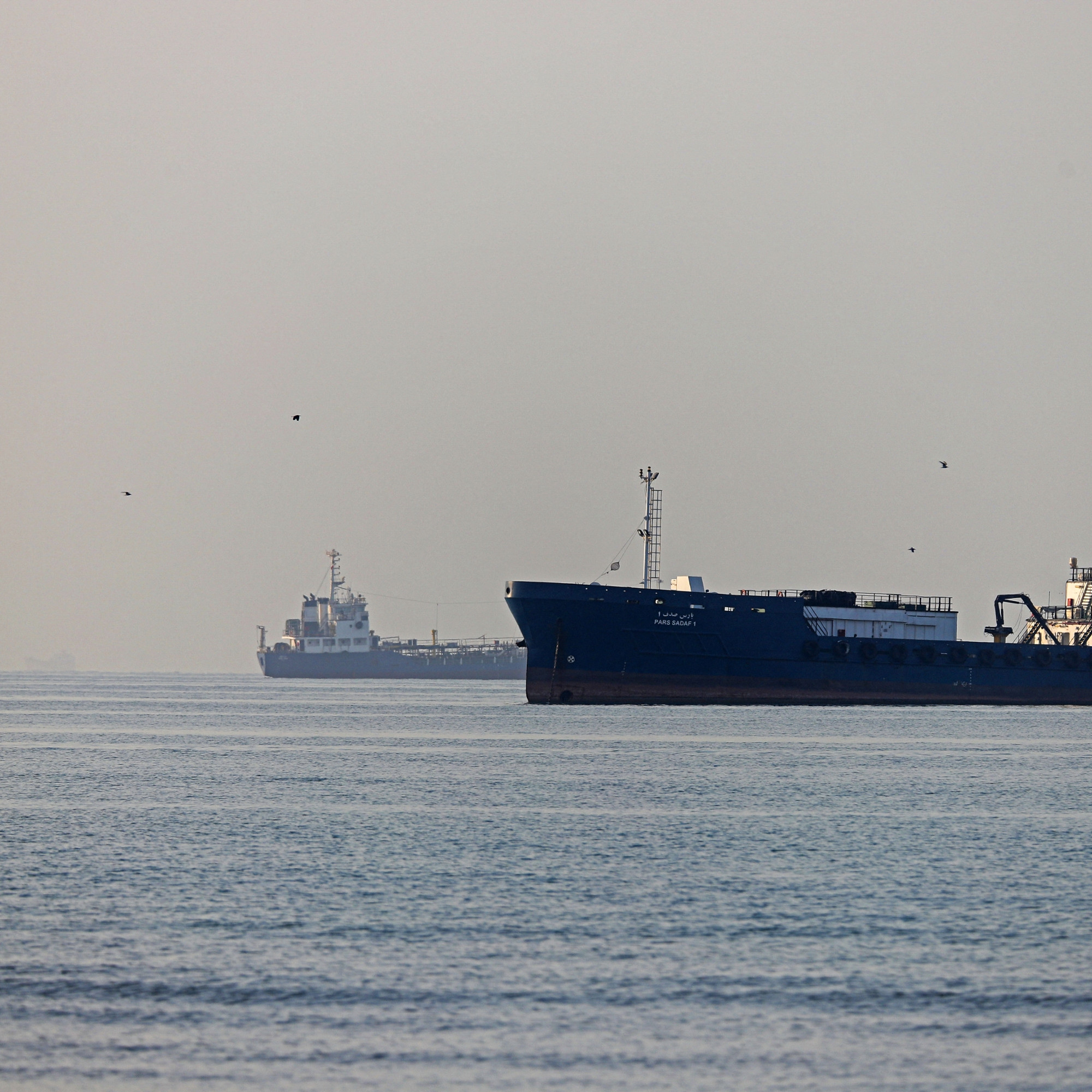
Oil prices surged again in early Asian trade on Thursday after Iran declared the Strait of Hormuz closed following a fresh round of U.S. strikes on the country.
At the time of writing, Brent crude had climbed 2.26% to trade at $95.20 per barrel, while West Texas Intermediate had risen 2.5% to $92.30 per barrel. Both benchmarks have seen extreme volatility this week as outbreaks of attacks are quickly followed by claims of an imminent deal being signed.Â
The latest escalation started with the downing of a U.S. Apache helicopter near the Strait of Hormuz on Tuesday, with the U.S. responding by hitting targets in Iran. U.S. Central Command also disabled a tanker in the Gulf of Oman during this period as it tried to break the U.S. blockade of the Strait and failed to comply with orders from U.S. forces.
On Wednesday evening, Defense Secretary Pete Hegseth held a press briefing announcing further attacks on Iran, saying, “If we need to negotiate with bombs, we’ll negotiate with bombs.†U.S. Central Command later described those attacks as targeting “Iranian military surveillance capabilities, communication systems, and air defense sites across Iran.â€
In response to the attacks, Iran’s top joint military command then announced that the Strait was closed to all shipping. Iranian media soon after claimed that two “violating ships†had been hit by Iran’s Revolutionary Guards Navy.
U.S. Central Command denied reports of ships being hit or the Strait being closed, posting two ‘fact checks' on X.
???? CLAIM: Iran’s Islamic Revolutionary Guard Corps claims that the Strait of Hormuz is closed.
? TRUTH: Commercial ships are continuing to transit in and out of the Strait of Hormuz tonight. pic.twitter.com/yphkl2Lmji
— U.S. Central Command (@CENTCOM) June 10, 2026
Â
Iranian state media has since reported that the IRGC hit 18 U.S. military targets and targeted the U.S. Fifth Fleet headquarters in Bahrain. Bahrain's Ministry of Interior has confirmed that sirens have been sounded in the country and urged residents to stay calm and head to the nearest safe place.
The latest exchange of strikes between the U.S. and Iran marks the most significant escalation in the conflict since Washington and Tehran agreed to a fragile ceasefire in April. Since then, oil inventories have drained dramatically, and no tangible breakthroughs have been announced.
On Wednesday, the EIA reported another significant draw in U.S. crude oil inventories, adding to the upward pressure on oil prices.
As always, traders will be looking for signs of de-escalation and the long-promised diplomatic breakthrough, but as of early Thursday morning in Asia, both of those things appear a long way off.
By Josh Owens for Oilprice.com
More Top Reads From Oilprice.com