
The US military on Friday shot down four Iranian drones that had been launched towards the Strait of Hormuz, then responded by striking some of the Islamic Republic’s coastal surveillance radar sites.
“Attack drones posed an immediate threat to regional maritime traffic,” US Central Command said on social media.
Hours later, Iran fired seven ballistic missiles toward Kuwait and Bahrain, Central Command said.
“Initial assessments indicate that six of the missiles launched by Iran were intercepted and that a seventh did not reach its target,” said the American army.
The Kuwaiti military said its forces were intercepting missiles and drones attacking the country, while Bahrain activated air warning sirens and asked residents to go to the nearest safe place and follow official instructions.
Iran’s Revolutionary Guards targeted “enemy bases” in the region after US strikes on an island in the Strait of Hormuz, state media reported.
The military is imposing a blockade on Iranian ports in response to Tehran’s grip on this crucial corridor for global shipments of oil and natural gas, which has caused a surge in energy prices.
US Central Command struck radar sites, including an island in the strait, “to defend against further attacks.”
It is the latest stop in a series of mutual attacks that have strained the fragile ceasefire in the war and efforts to reach a deal to extend the truce.
Earlier this week, Iranian drones severely damaged a passenger terminal at Kuwait’s main airport, killing one person, injuring dozens more and leading to the temporary closure of the airfield.
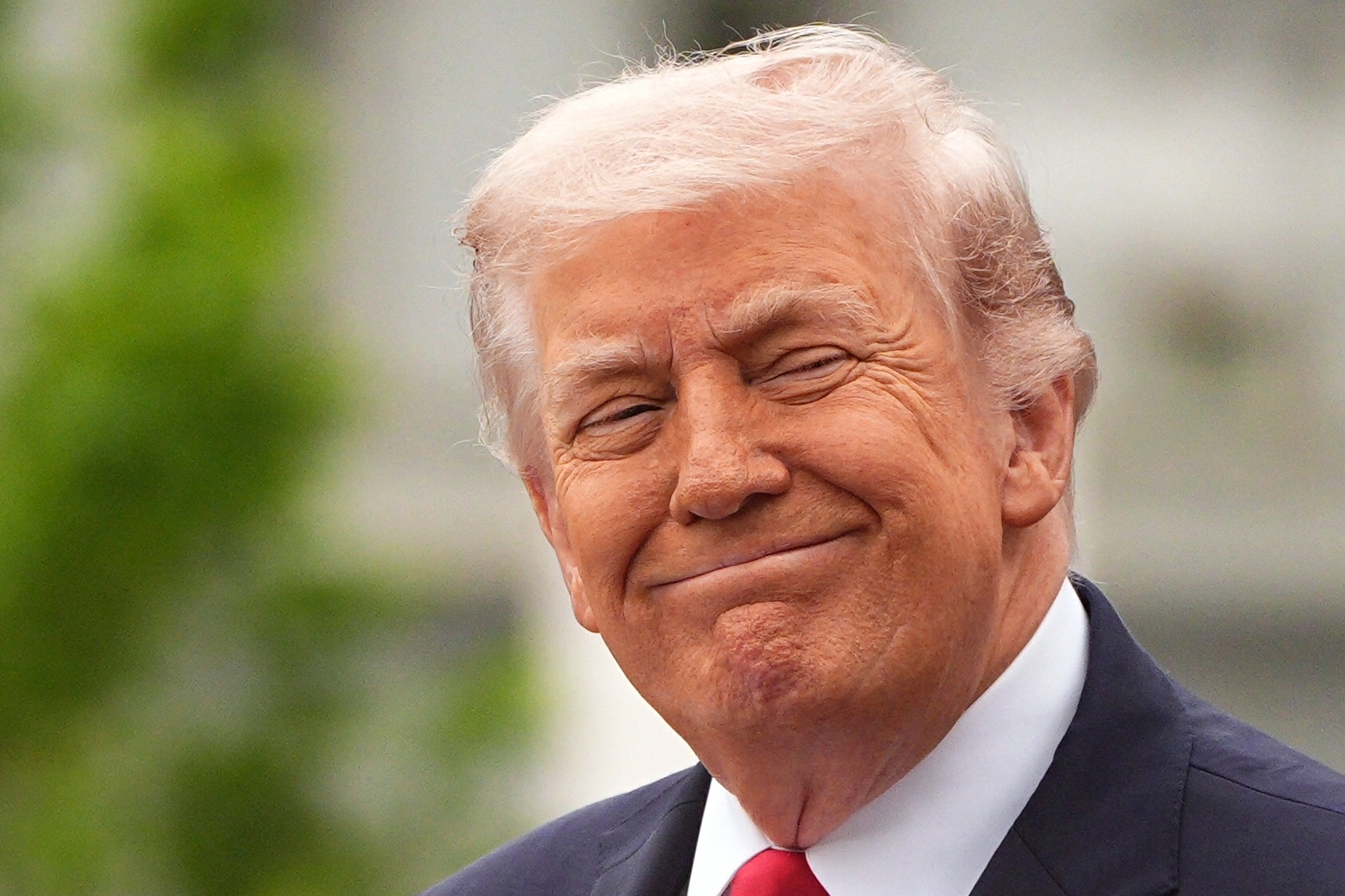
Although the attacks have raised new fears about a possible collapse of the ceasefire, US President Donald Trump told reporters Friday that “the situation with Iran seemed to be going pretty well.”
“We are going to withdraw from Iran very quickly and it will be very firm, one way or another, whether it is diplomatically or by force,” Mr. Trump said during an event with farmers in Wisconsin.
“The path of force is perhaps the easiest, but we will withdraw, and the prices of your fertilizers will drop considerably, as was the case four months ago,” he added.
Donald Trump seems increasingly cornered into a conflict which has reached an impasse. US and Iranian negotiators reached a tentative agreement a week ago to extend the ceasefire by 60 days and begin a new round of talks on Iran’s nuclear program.
The US president, however, demanded unspecified changes and Iranian officials gave no public sign that they approved the deal.
Asked on Friday the reasons for the slowness, Mr. Trump told NBC’s “Meet the Press” that it was because “it’s very difficult for them,” citing their “great independence” and the fact that “they are strong, they are proud.”
“There are things they never thought they would do that they are going to have to do. They have no choice, and it takes a little time,” he said during the interview.
Mr. Trump specified that the Iranians still had 21% to 22% of their missiles.
His administration also touted the latest ceasefire reached this week between the Lebanese government and Israel following US-led talks in Washington, despite the rejection of the deal by the Iran-backed militant group Hezbollah and new attacks by Iran. both camps.
The Israeli army struck several areas of southern Lebanon on Friday and issued evacuation notices for nine villages, including one that housed thousands of people displaced by the fighting. The strikes killed nine people in six towns in southern Lebanon, the official news agency reported.
The Israeli army said two soldiers were injured, one seriously, in a Friday clash with militants in southern Lebanon.
The fighting in Lebanon, where Israeli forces have taken control of large areas of the south, also threatens efforts to end the war with Iran and reopen the Strait of Hormuz. Iran has demanded that any lasting truce extend to Lebanon.
In addition to intercepting a drone in the Strait of Hormuz, the US military said earlier Friday that its forces had boarded a sanctioned oil tanker linked to Iran in the Indian Ocean, as the United States seeks to prevent Iran from profiting from its oil and other goods.
The United States also targeted Iran’s energy sector by imposing new sanctions on a group of people, companies and oil tankers.

/2026/06/11/6a2b0ca847f61161377354.jpg "Economic imbalances, war in Ukraine, Middle East: the thorny issues on the table of the G7, which begins Monday in Evian")


