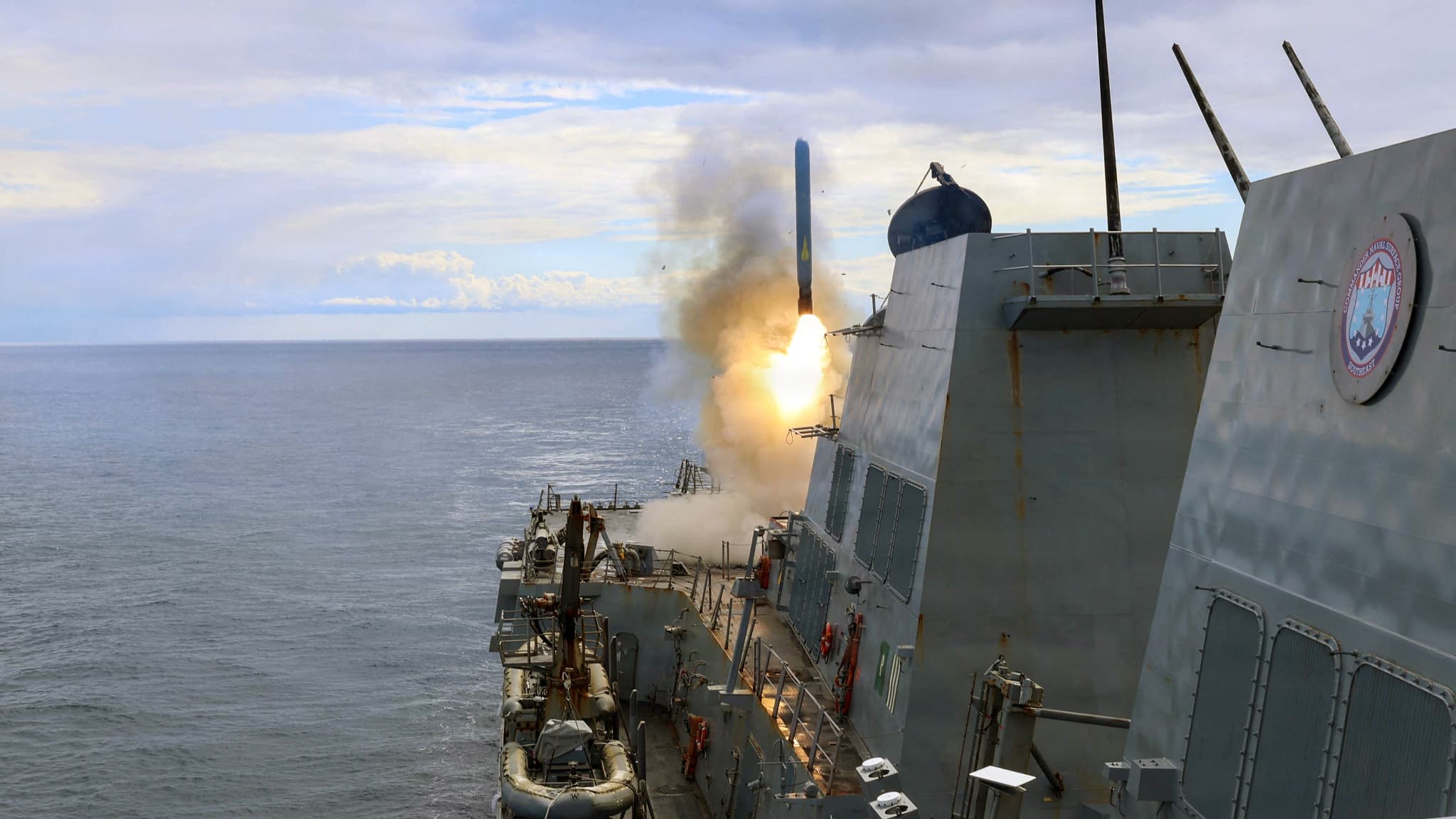
A photograph of a strike taken from the town of Marjayoun in southern Lebanon on May 11, 2026.
After over a month of a fragile truce between the two warring parties, hopes for resolving the conflict remain uncertain. Tehran finally responded to the US proposals to end the war in the Middle East on Sunday, May 10. The counter-measures proposed were firmly rejected by Donald Trump.
According to the Iranian Ministry of Foreign Affairs, Tehran demanded the end of the war across the region, including in Lebanon, and requested the release of frozen Iranian assets. Iran is currently deprived of around 85 to 102 billion euros in foreign currency and oil revenues held abroad due to its nuclear program development in the 2000s.
“We had proposed reasonable and responsible demands and generous offers not only for Iran’s national interests but also for the well-being, stability, and security of the entire region and the world,” said ministry spokesperson Esmaeil Baghaei during a weekly press conference.
Previously, Iranian public television reported that Tehran’s response, conveyed via the Pakistani mediator, focused on ending the war on all fronts, especially in Lebanon, and ensuring maritime security.
According to the Wall Street Journal, Tehran is considering “diluting” some of its enriched uranium and sending the rest to a third country. Washington and many countries suspect Tehran of seeking nuclear weapons through uranium enrichment, which Iran denies, asserting its right to civilian nuclear energy.
This is not the first time that draft peace plans have been presented by both parties. On May 3, Iran had transmitted a 14-point plan to Washington via Pakistan, aiming to end the conflict within 30 days. The plan included demands such as the withdrawal of US forces from areas near Iran, the lifting of the blockade on Iranian ports, unfreezing Iranian assets, reparations, lifting sanctions, a mechanism for the Strait of Hormuz, and “ending the war on all fronts including Lebanon.”
President Donald Trump criticized Iran’s response to the peace plan as “totally unacceptable” on his Truth Social network. He stated, “Iran has been leading the US and the rest of the world on for 47 years,” and added, “They mock our country, which has now regained its greatness, but they won’t be laughing much longer.”
These messages have raised doubts among investors about the likelihood of an agreement to unlock the strategic Strait of Hormuz, where a fifth of the world’s oil usually transits. In this context, oil prices rose again on Monday.