President Donald Trump warned on Monday that the ceasefire with Iran was on the brink of collapsing after rejecting Tehran’s latest proposal to end the war.
Officials mentioned that the proposal included some concessions regarding Iran’s controversial nuclear program, but Trump dismissed it as “nonsense.”
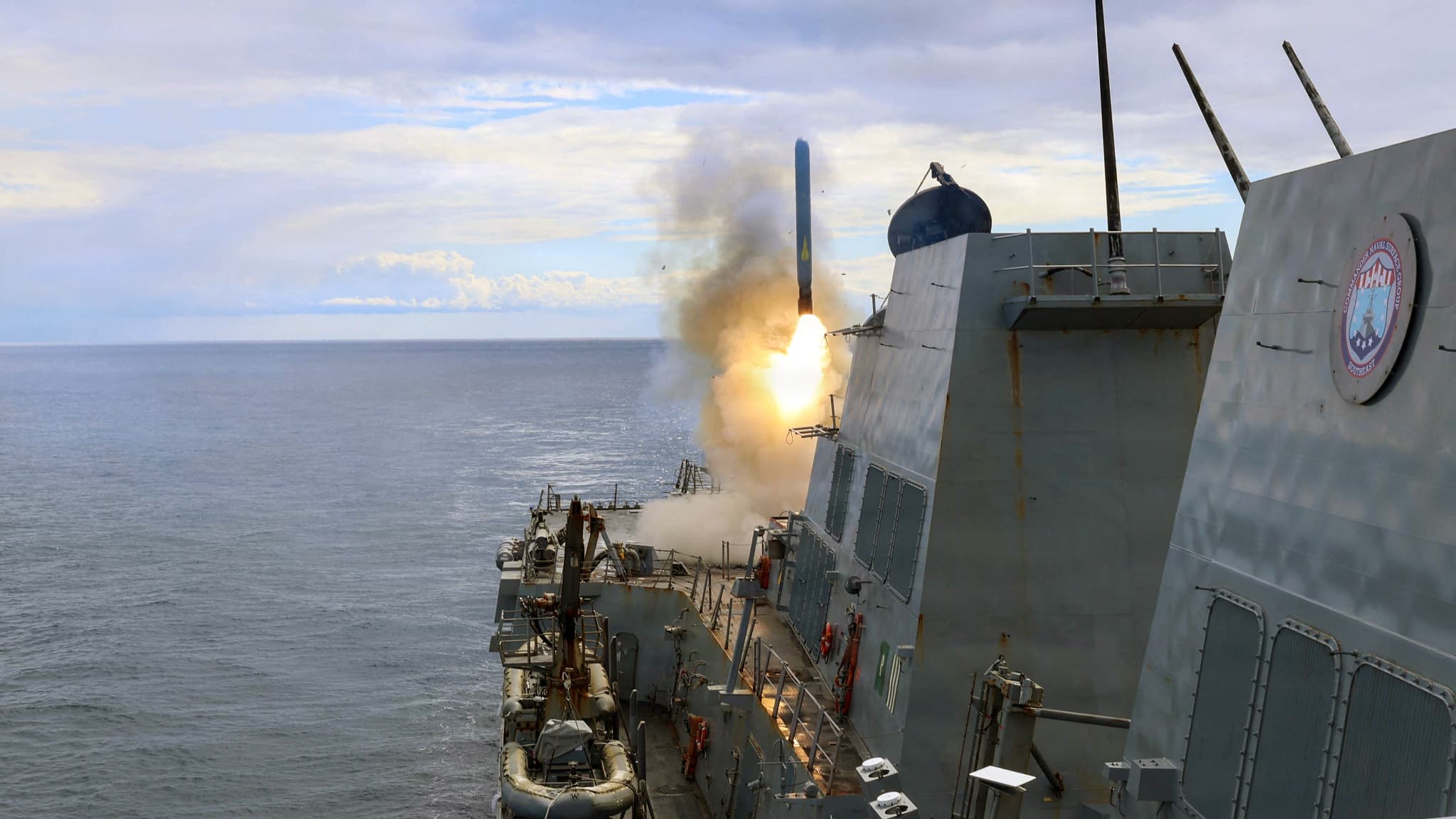
The diplomatic deadlock and recent exchange of fire could plunge the Middle East into open war and prolong the global energy crisis triggered by the conflict — Iran maintains its grip on the Strait of Hormuz, and the American blockade of Iranian ports remains in effect.
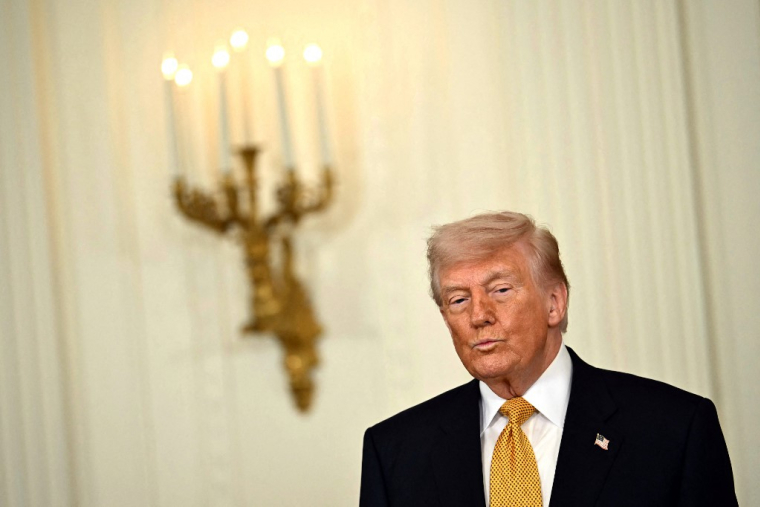
Speaking at an unrelated White House event, Trump indicated that the ceasefire was “incredibly fragile.”
“I would say it’s at its lowest right now after reading this nonsense they sent us,” Trump added. “I haven’t even finished reading it.”
The President stated that he would suspend the federal gasoline tax to help Americans cope with rising fuel prices caused by the war.
Trump is expected to use his trip to China this week to urge President Xi Jinping to pressure Iran to make concessions and end the current deadlock.
Beijing is the largest buyer of sanctioned Iranian crude oil, giving it some leverage.
However, reaching an agreement is likely to be challenging. Iran insists on the end of the American blockade and the lifting of sanctions before negotiating on its highly enriched uranium stocks.
Regional officials revealed to the Associated Press that Iran had proposed diluting some of its highly enriched uranium and transporting the rest to a third country. Russia had already offered to host it. Officials spoke anonymously about this sensitive diplomatic issue.
Trump demanded complete removal of nuclear material and is unlikely to accept other Iranian proposals to formalize their control of the strait and seek reparations from the United States.
Last Rejected Proposal
Donald Trump stated on Sunday that Iran’s response to his latest proposal was “completely unacceptable.” Ending the blockade before discussing Iran’s nuclear program would remove a major leverage for Trump.
Meanwhile, the deadlock over the strait, a vital transit point for global oil and natural gas exports, is driving up fuel prices and shaking global markets.
Israeli Prime Minister Benjamin Netanyahu, who initiated the conflict with Trump on February 28, emphasized that the conflict is “not over.”
In an interview with CBS’s “60 Minutes” broadcast on Sunday, Netanyahu highlighted the crucial goal of removing Iran’s nuclear materials.
If negotiations fail to achieve this goal, Netanyahu stated that Israel and the U.S. agree that “they can be attacked militarily again.”
Netanyahu also mentioned: “The days of the current Iranian government are numbered — but it could take several days.”
The U.S. and Israel have targeted dozens of top Iranian officials, including the country’s supreme leader, in the early stages of the war. The conflict has also inflicted heavy damage on the Iranian economy, but the regime retains power.
Stalemate Continues
The Iranian proposal asked the U.S. to recognize its sovereignty over the Strait of Hormuz, thereby formalizing its control over this international waterway.
Iran has effectively closed the strait since the war started, allowing only a few ships to pass and charging passage fees.
According to experts, such an arrangement would likely violate international law guaranteeing freedom of navigation. This proposal is also likely to be widely rejected by the international community. The strait was open to international traffic before the war.
Iran also demanded war reparations from the U.S., the lifting of international sanctions, freezing of Iranian assets held abroad, and an immediate end to the war, including fighting between Israel and Hezbollah, as per Iranian public broadcasting.
“We have not demanded any concessions — the only thing we have demanded are Iran’s legitimate rights,” stated Esmail Baghaei, spokesperson for the Iranian Ministry of Foreign Affairs.
“The American side continues to insist on its unilateral views and unreasonable demands,” he argued.
However, Iran has proposed diluting some of its highly enriched uranium and transporting the rest to a third country, calling for 30 days of negotiations to finalize the details, as reported by two officials to the Associated Press.
Pakistan Still Attempting to Negotiate
Two regional diplomats familiar with ongoing talks said Pakistan continues its efforts to find a compromise.
One diplomat mentioned that Pakistan is working on organizing an agreement protocol to end the war and pave the way for broader dialogue on remaining divisive issues.
The diplomat noted that last week, Pakistan aimed to finalize the agreement but has yet to succeed, and mediators are still working on various proposals.
Speaking anonymously about diplomatic efforts, he added that Islamabad has received support from other regional countries in its peace endeavors.
– Munir Ahmed, an Associated Press journalist in Islamabad, contributed to this dispatch.
Jon Gambrell and Samy Magdy, The Associated Press