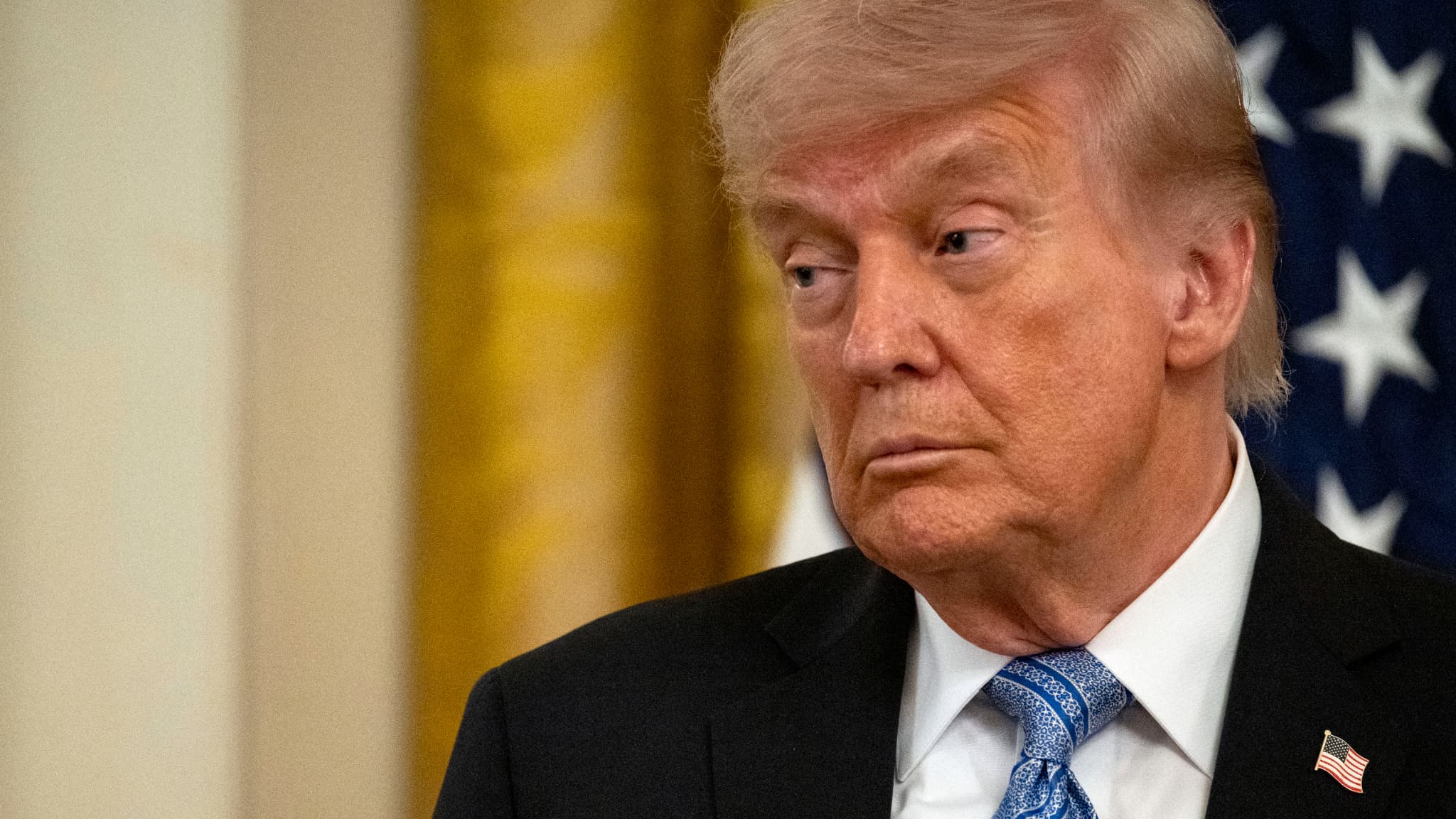
Israeli Prime Minister Benjamin Netanyahu has affirmed that “the war in Iran is not over,” stating that there are still nuclear sites to dismantle and enriched uranium stocks to “remove.” Donald Trump, on the other hand, declared that the United States needed “two additional weeks” to target “all Iranian sites.”
On the diplomatic front, Iran claims to have sent a response to the United States, via Pakistan, focused on “ending the war and maritime security.” Qatar also warned against the “instrumentalization” of the Strait of Hormuz, fearing that it could “worsen the crisis.”
Meanwhile, incidents are escalating. South Korea reported that one of its cargo ships was struck by airstrikes in the Strait of Hormuz. The United Arab Emirates announced intercepting two Iranian drones, while Kuwait reported a drone attack in its airspace.
In Lebanon, two Hezbollah-affiliated rescuers were killed in Israeli strikes in the southern part of the country. In Iran, state television announced a meeting between the chief of the armed forces and Supreme Leader Mojtaba Khamenei, who allegedly issued new directives for ongoing military operations.
The Strait of Hormuz remains a focal point of international concerns. Prolonged disruption of maritime traffic in this crucial zone could have immediate consequences on global oil, gas, and international trade markets.