“Opponent of sanctions against Russia”, “pro-Kremlin”, “eurosceptic”, “benevolent towards Moscow”: this is how Western analysts see Rumen Radev, without taking him for the new Orban of the EU, emphasizing that Rumen Radev does not question Bulgaria’s place in the EU and NATO.
They argue, however, that while he was president, Rumen Radev refrained from criticizing Russia’s war in Ukraine, criticized EU sanctions against Moscow, and ruled that Bulgaria’s entry into the eurozone without a referendum was wrong. idea.
“There is no room for illusions and chaotic actions in this world which is becoming an increasingly worrying, unpredictable and dangerous place,” Radev stressed in his electoral campaign, adding that our country must work to consolidate our defense capabilities and the alliances of which we are members:
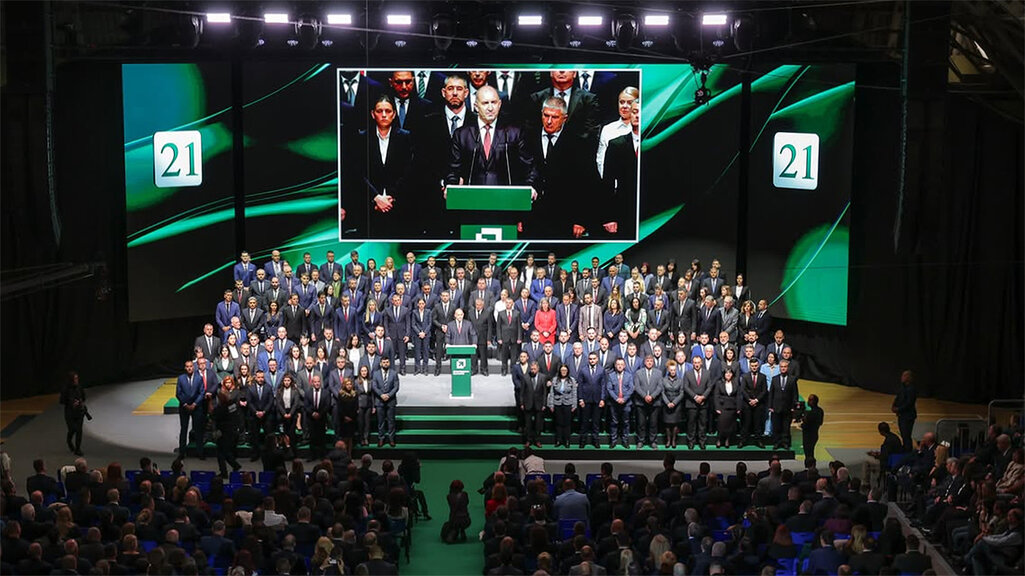
PHOTO : Coalition “Progressive Bulgaria”
But this is no longer done only through loyalty, we also need competence and will to defend our national interest in these alliances, because if we want these alliances to be strong, the countries which compose them must also be strong, indicates the former President of the Republic and current leader of “Progressive Bulgaria” who won the absolute majority in the new parliament.
Rumen Radev avoids direct confrontations with the West. After his victory in the legislative elections on April 19, he insisted to the foreign media for critical thinking and pragmatism in Europe:
Bulgaria will make efforts to continue on its European path. A strong Bulgaria in a strong Europe needs critical thinking, pragmatism, because Europe has become a victim of its own ambition to be a moral leader in a world without rules.
Radev urges Ukraine to sue for peace, does not support sending weapons to kyiv and says his declaration that “Crimea is Russian” only states a strategic reality.
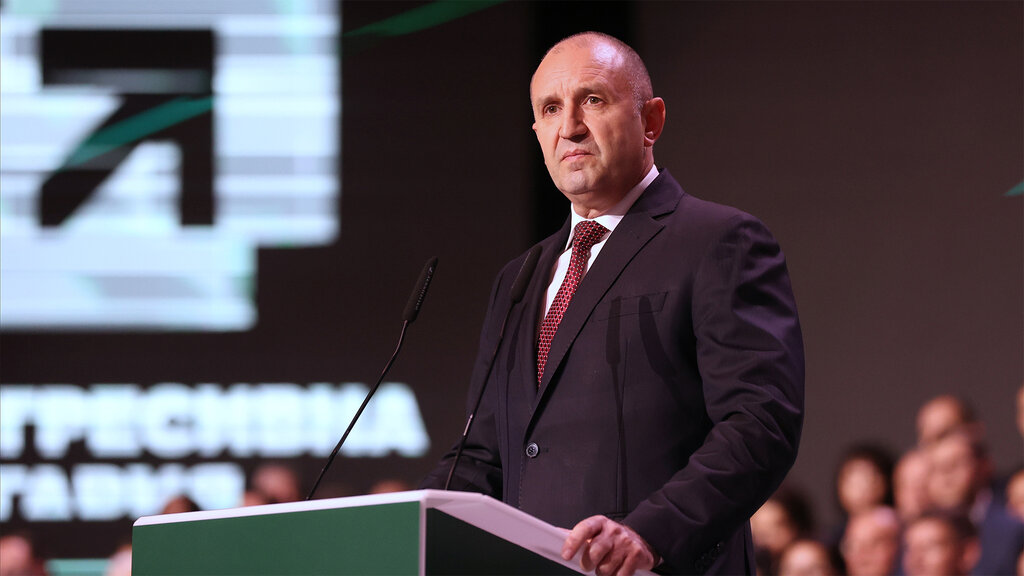
Our main goal is to preserve peace and that Bulgaria is not drawn into armed conflicts around us in any way. We did not provoke these wars and it is therefore not up to us to pay for them. Not a cent should come from us to fuel wars, on the contrary, our money must stay here for our retirees, for our children. This is our goal, declared Rumen Radev at an electoral meeting in early April.
Analysts do not expect Rumen Radev to question the adoption of the euro or EU funding flows for Bulgaria, nor to block EU decisions.
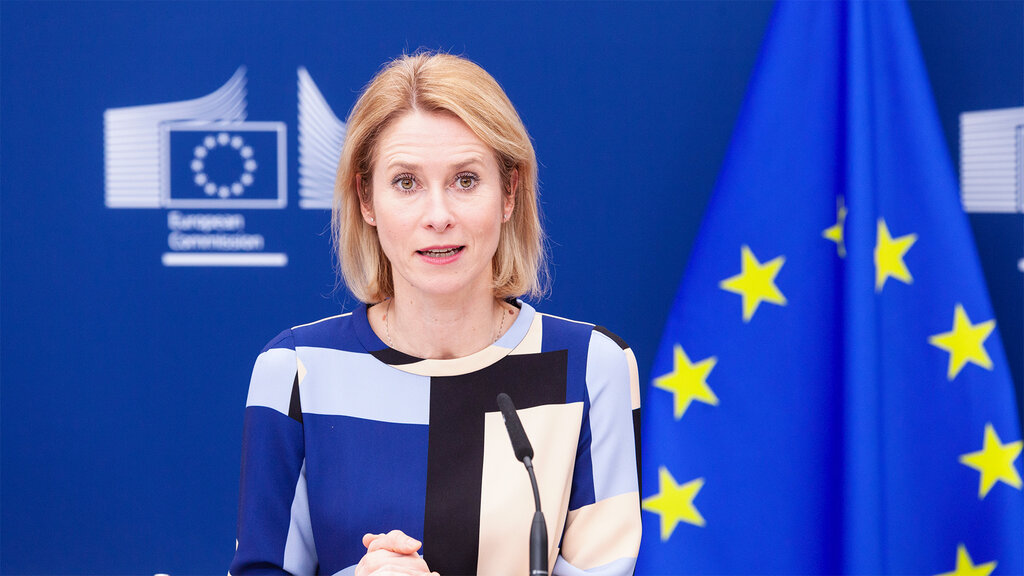
European institutions politely reacted to Rumen Radev’s victory and said they were ready for fruitful work with this new political actor in Europe. High Representative of the EU for Foreign Affairs and Security Policy Kaja Kallas refrained from talking about expectations or fears of a possible change in Bulgaria’s foreign policy towards Ukraine after the electoral victory of “Bulgaria progressive”, content to delay until the new Bulgarian government is formed so that we can judge on the evidence.
The foreign policy profile of the future government of Rumen Radev will conform to the profile of the voters who voted for “Progressive Bulgaria”, estimates Maria Simeonova, director of the EU Foreign Affairs Council office in Sofia, in an interview with RNB. According to him, Radev succeeded in attracting voters from all the other parties: moderate pro-Russians, moderate pro-Europeans and skeptics about the euro zone:
This profile of Rumen Radev’s voters will limit him in terms of radical decisions or radical policies. Bulgaria under Rumen Radev will keep its pro-European and pro-NATO line, but with more criticism towards the decisions that will be taken in international institutions and organizations, but in my opinion they will be aimed more at its national audience than at European leaders, thinks Maria Siméonova, adding:
I think it would be an exaggeration to expect Bulgaria to become the country that blocks EU decisions. If Rumen Radev opts for more extreme positions in the EU, he will find himself in a rather unpleasant situation. He is a pragmatic politician who understands well the risk that such a positioning of Bulgaria in the EU would represent. Especially since Bulgaria still relies heavily on funding from the EU, especially in a situation of soaring prices here.
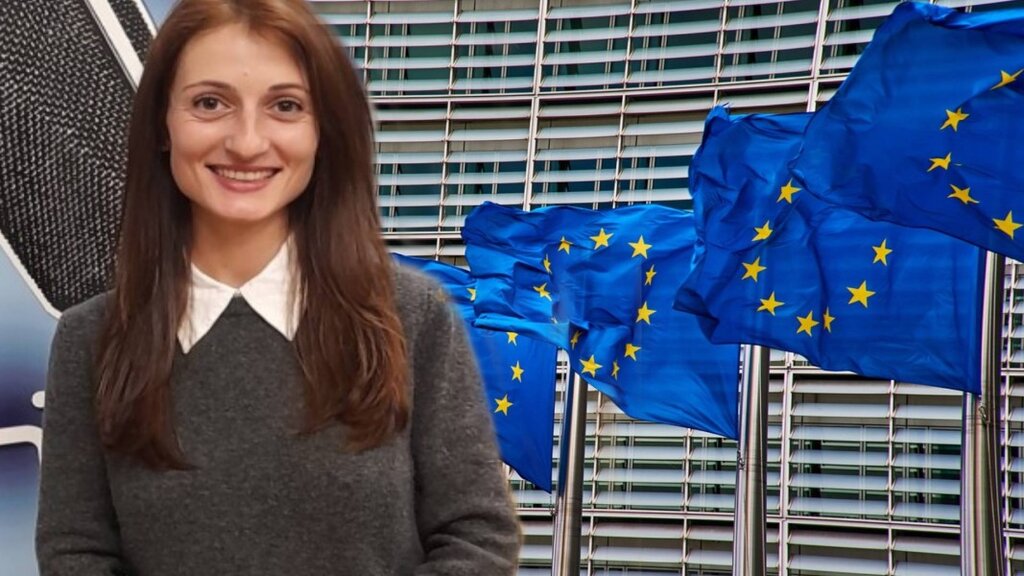
PHOTO : RNB – Ludmila Jalzova/Pixabay
What are the important foreign policy positions that our new executive must formulate before Europe and the rest of the world?
I will start by mentioning a question of domestic policy, but who is directly linked to Bulgaria’s positioning in Europe: the sanitation of our institutions. It is linked to the rule of law, to the fight against corruption. We cannot enforce decisions in foreign policy if our partners and allies are not certain that our institutions are healthy and cannot succumb to external influences, to hybrid attacks. I think it is in Bulgaria’s interests that we are more active, especially in the Black Sea region. The EU is a relatively new player in this region and expects Bulgaria and Romania to propose initiatives. We can also be more active on EU enlargement, conclude Maria Siméonova.
Â
Violeta Achikova
French version : Christo Popov