The military programming law project, which sets the major guidelines and means of the French armed forces by 2030, provides for an additional 36 billion euros to reach 436 billion euros.
“Going faster and striking harder”: MPs are updating the military programming law adopted in 2023, but now overtaken by the return of war in Europe and the Middle East. The current bill aims to allocate an additional 36 billion euros by 2030 for the French armed forces.
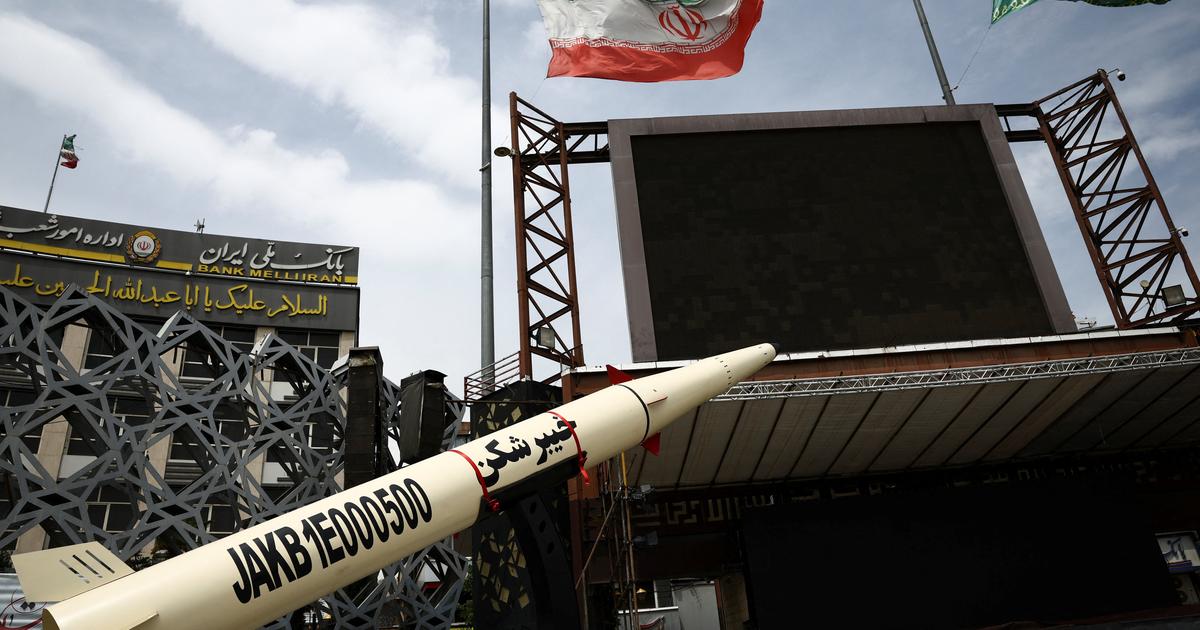
At the time of the last programming law two and a half years ago, “we mentioned the return of war experience in Ukraine, it is clear that we must now also integrate the lessons from the forty days of conflict in the Middle East,” said Minister of the Armed Forces Catherine Vautrin during her examination in mid-April.
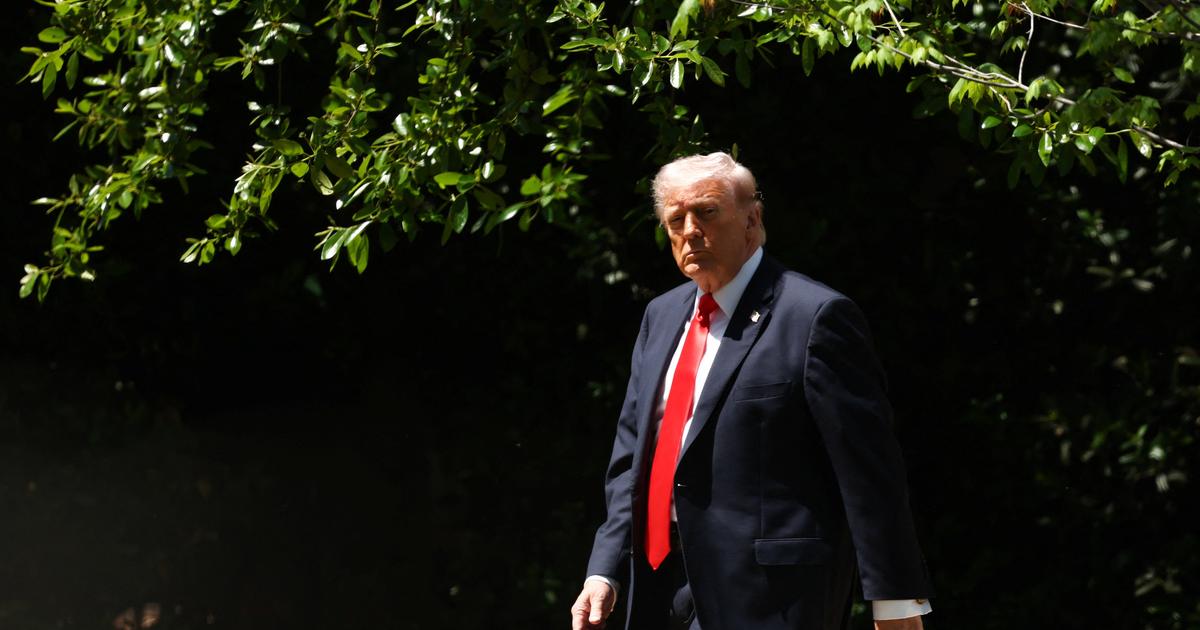
“It should not be imagined that things will improve”: The world is getting tougher around us, so we need to act faster and strike harder,” the minister added to justify this adjustment. The bill, supported by the central bloc and the socialists, has raised some concerns. Several MPs find its scope insufficient in the face of the risk of a confrontation with Russia, especially as the alliance with the United States under Donald Trump is weakened. Others temper the impact, especially as 2027 is a presidential election year, with a new head of state likely to propose their vision through a new text.
While not changing the format of the armed forces, the bill focuses on necessary investment positions, starting with ammunition. In addition to the investment aspect, the bill also introduces some novelties. First and foremost, it aims to create a new “state of national security alert,” allowing derogation from several rules (construction, expropriation, or environmental) in case of a “serious threat” to the Nation.
The measure has raised concerns on the left, fearing a new “state of exception” with “too vague” activation criteria. The goal is to be able to adapt to a context that is no longer “a time of peace” or “a time of war,” “without touching public liberties,” defended the minister. Another article in the bill would allow certain operators, including airports, to use drone jamming or neutralization devices, including delegating this task to subcontractors.
Another measure is the new military and voluntary national service, the recruitment campaign for which started in January. This year of service for the armed forces, paid and lasting ten months, mainly targets young people aged 18-19. Costing 2.3 billion euros over five years, the project is considered inadequate by the left, which sees it as an attempt to erase the failure of the Universal National Service, launched in 2019 but never fully implemented.
The bill also aims to allow the use of algorithms by intelligence services to track and exploit web connection data. This is particularly for “national defense” and against “organized crime” and the trafficking of drugs or weapons. Another measure aims to control the publication of books by former intelligence agents. A solemn vote is scheduled for May 12 in the Assembly. The bill is then expected in the Senate hemicycle starting from June 2.