Roumen Radev: A New Political Force in Bulgaria
“Adversary of sanctions against Russia,” “pro-Kremlin,” “eurosceptic,” “friendly to Moscow”: this is how Western analysts see Roumen Radev, without seeing him as the new Orban of the EU, noting that he does not question Bulgaria’s place in the EU and NATO.
However, they argue that while president, Roumen Radev abstained from criticizing Russia’s war in Ukraine, criticized EU sanctions against Moscow, and considered Bulgaria’s eurozone accession without a referendum a bad idea.
“There is no room for illusions and chaotic actions in this increasingly worrying, unpredictable, and dangerous world,” emphasized Radev in his campaign, adding that our country must work to strengthen our defense capabilities and the alliances we are members of.
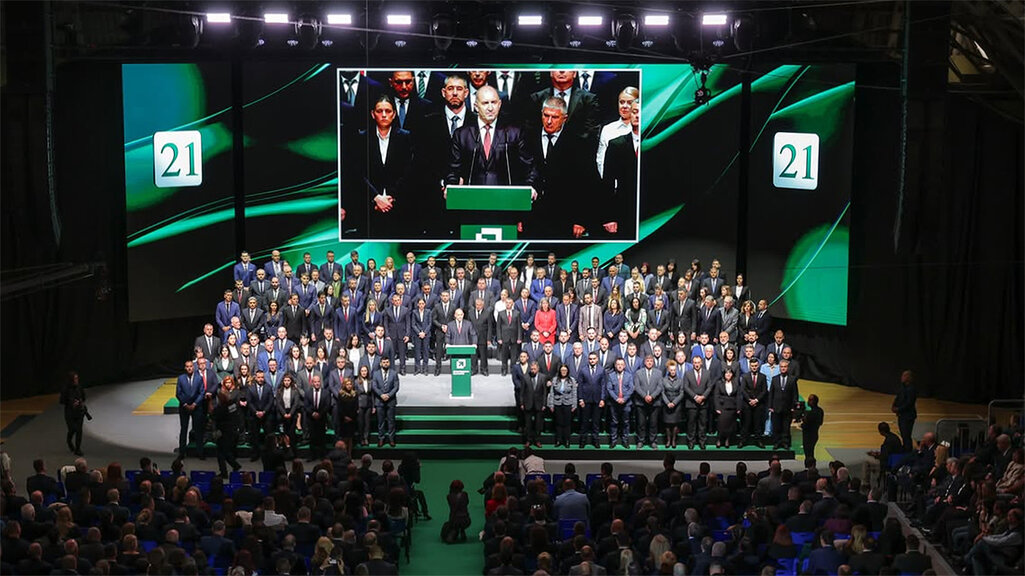
PHOTO: Coalition “Progressive Bulgaria”
However, it is not just about loyalty; competence and willingness are also needed to defend our national interests in these alliances because if we want these alliances to be strong, the countries in them must also be strong, said the former president and current leader of “Progressive Bulgaria,” who won an absolute majority in the new parliament.
Roumen Radev avoids direct confrontations with the West. After his victory in the April 19 elections, he emphasized the need for critical thinking and pragmatism in Europe:
The Bulgarian efforts will continue on its European path. A strong Bulgaria in a strong Europe needs critical thinking, pragmatism because Europe has become a victim of its ambition to be a moral leader in a ruleless world.
Radev urges Ukraine to seek peace, does not support sending arms to Kiev, and says his statement that “Crimea is Russian” only acknowledges a strategic reality.
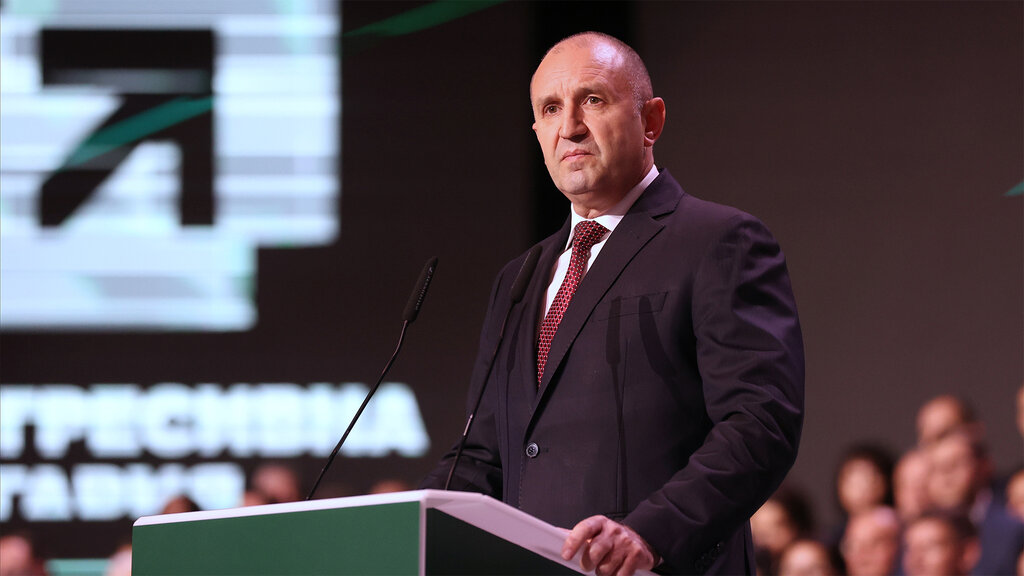
Our main goal is to preserve peace and ensure that Bulgaria is not drawn in any way into armed conflicts around us. We did not provoke these wars, so we should not pay for them. Not a penny should come from us to fuel wars; instead, our money should stay here for our retirees, for our children. That is our goal,
Analysts do not expect Roumen Radev to question Euro adoption or EU funding flows for Bulgaria, or to block EU decisions.
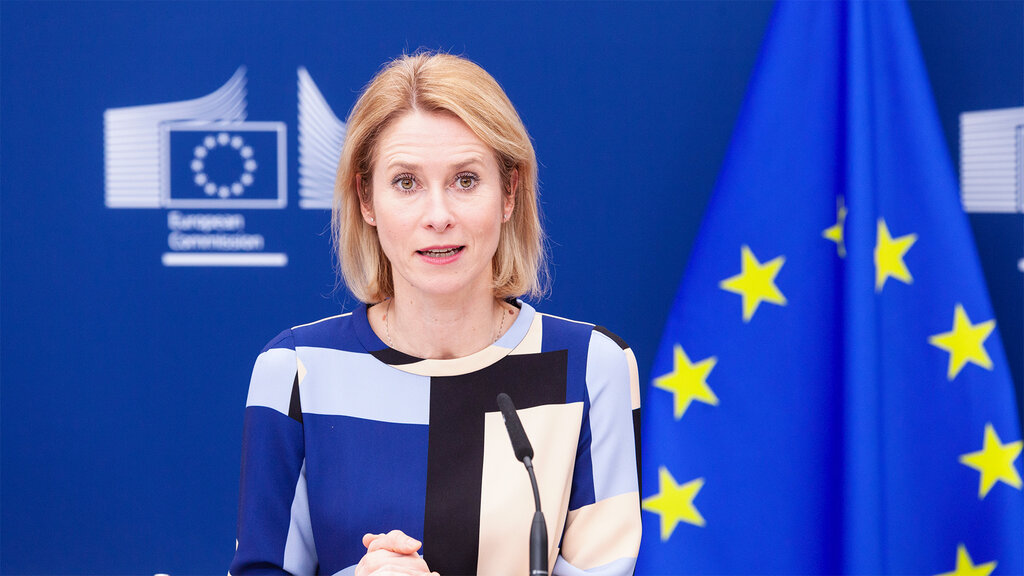
European institutions courteously reacted to Roumen Radev’s victory and expressed readiness to work fruitfully with this new political actor in Europe. The EU High Representative for Foreign Affairs and Security Policy, Kaja Kallas, refrained from discussing expectations or fears of potential changes in Bulgaria’s foreign policy towards Ukraine after the Progressive Bulgaria’s electoral victory, waiting for the new Bulgarian government to form before making any judgments.
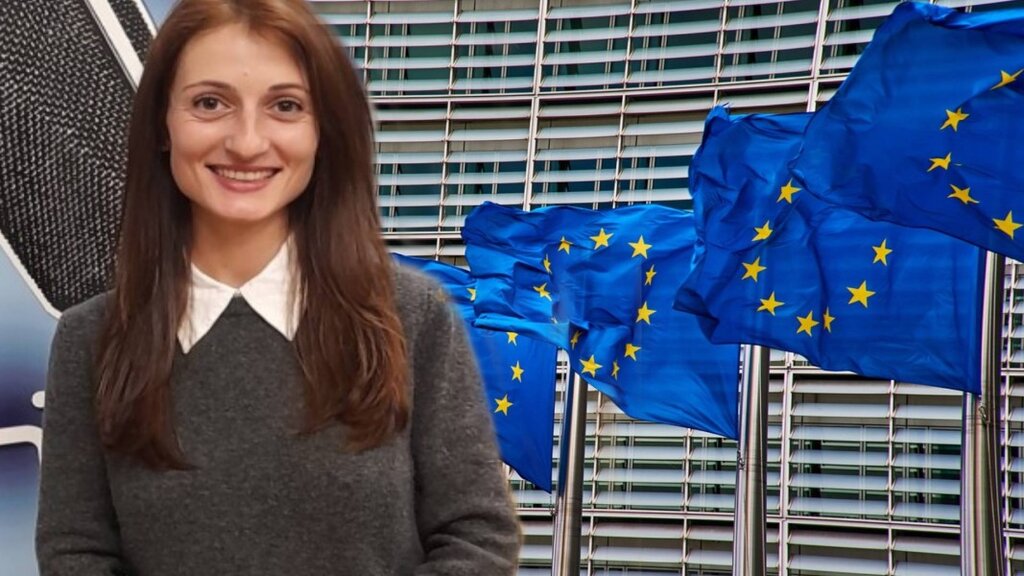
The foreign policy profile of the future Roumen Radev government will align with the profile of the voters who supported “Progressive Bulgaria,” according to Sofia Maria Simonova, Director of the EU Foreign Affairs Council’s office in Sofia. Simonova believes Radev managed to attract voters from all other parties: moderate pro-Russians, moderate pro-Europeans, and Eurozone skeptics.
This voter profile will limit Roumen Radev in terms of radical decisions or policies. Bulgaria under Roumen Radev will maintain its pro-European and pro-NATO stance but with more criticism towards decisions made in international institutions and organizations, primarily geared towards the national public rather than European leaders, Simonova added.
I believe it would be an exaggeration to expect Bulgaria to become the country blocking EU decisions. If Roumen Radev opts for more extreme stances in the EU, he will find himself in a rather unpleasant situation. He is a pragmatic politician who understands well the risks of such a Bulgarian position in the EU, especially considering Bulgaria’s heavy reliance on EU funding, especially in a context of rising prices, she concluded.
What are the key positions in foreign policy that our new executive must address to Europe and the rest of the world?
I will start by mentioning a domestic policy issue, directly related to Bulgaria’s positioning in Europe: the reform of our institutions. This is linked to the rule of law, the fight against corruption. We cannot enforce decisions in foreign policy if our partners and allies are not sure that our institutions are sound and cannot succumb to external influences or hybrid attacks. I think it is in Bulgaria’s interest that we be more active, especially in the Black Sea region. The EU is a relatively recent actor in this region and expects Bulgaria and Romania to propose initiatives. We can also be more active in EU enlargement, concludes Maria Simonova.
Violéta Achikova
Translated into French by Christo Popov
/2026/04/28/69f12d0199a7f183507848.jpg "Strait of Hormuz blocked: in Iran, oil accumulates and storage capacities saturate")