The spokesperson of the Ministry of Foreign Affairs Georgy Tichiy stated in a public interview what is rarely directly said by a Ukrainian diplomat: the United States pay limited attention to foreign policy issues – and Kyiv takes this into account in its work. The explanation is simple: Washington is entering an electoral cycle before the midterm elections on November 3, 2026.
Three factors simultaneously
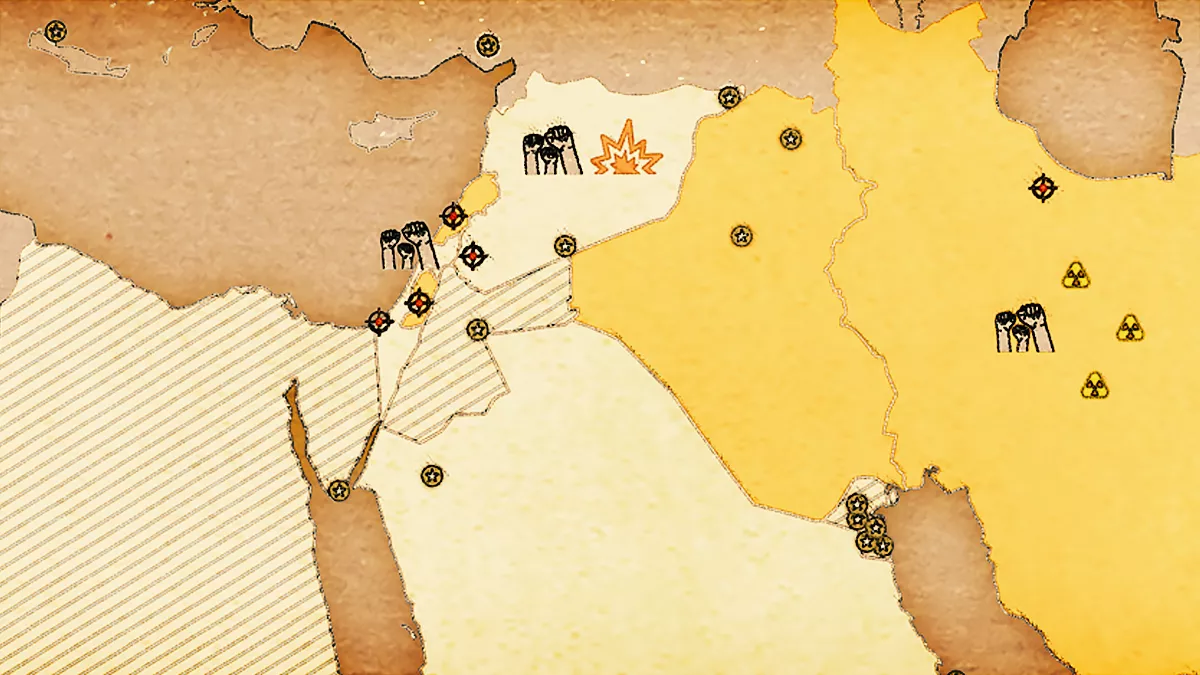
The attention of the American administration is divided in several directions at once. Firstly, the war in the Middle East – the trilateral negotiations between Ukraine, the United States, and Russia have indeed failed after the start of the American military operation against Iran. Since then, this format has not been resumed, with meetings only taking place bilaterally.
Secondly, internal electoral logic. The midterm elections in Congress have existential significance for Trump: losing the majority in both chambers paves the way for impeachment and paralyzes presidential initiatives. As noted by analysts from the publication “Ukrainian News,” in 2026, Washington will largely view the war in Ukraine through the lens of this internal electoral calendar.
Thirdly, the structure of the administration itself. American foreign policy is increasingly shaped not by the State Department, but by a narrow ideological circle around Trump – loyalists, media, and major donors primarily interested in the domestic agenda.
“The time has not yet come”
“The time has simply not yet come where motivation has changed in Russia and the conditions for reaching an agreement have been created.”
Dmytro Kuleba, former Minister of Foreign Affairs, on negotiations in Abu Dhabi
Kuleba, speaking about the meeting in the United Arab Emirates where energy and prisoner exchange issues were raised, clearly separated the process from the outcome: negotiations are ongoing but are not approaching a ceasefire. According to him, Putin evaluates the results of each move and does not see a reason to stop. Trump, on the other hand, publicly applauds him.
In the President’s Office, this is stated even more concretely: as long as the war in the Middle East continues, negotiations on Ukraine will remain paused. Mikhaïlo Podolyak adds that Iran’s support for Russia is gradually changing attitudes towards Moscow in Arab countries – paradoxically reinforcing Kyiv’s international subjectivity.
What Kyiv is doing instead
Tichiy, acknowledging the limited attention from the United States, does not speak of a crisis – he describes an adaptation tactic. Ukrainian diplomacy is currently focusing on:
– bilateral contacts instead of tripartite meetings where the United States are mediators;
– the Geneva track – according to Tichiy, particularly sensitive points of the peace plan will be raised at the level of Presidents Zelensky and Trump;
– strengthening positions on platforms where the United States is not a central actor – notably at the United Nations, where the General Assembly approved a resolution supporting Ukraine with 107 votes.
Analysts warn that foreign policy remains the prerogative of the president, so a change in balance in Congress after the 2026 elections will likely not radically alter Trump’s approach to Ukraine. The key variable is not the composition of Congress, but Moscow’s motivation and willingness to give Trump a “victory” to present to voters.
If by November 2026 Trump has nothing to show on the Ukrainian direction – will this become a reason to exert pressure on Russia, or on the contrary, will it force him to achieve any result for his internal popularity?
/2026/04/24/69eb6bbaeb005611327839.jpg "Michelle Bachelet, Rafael Grossi, Macky Sall… Who are the four candidates in the running to lead the UN in 2027?")