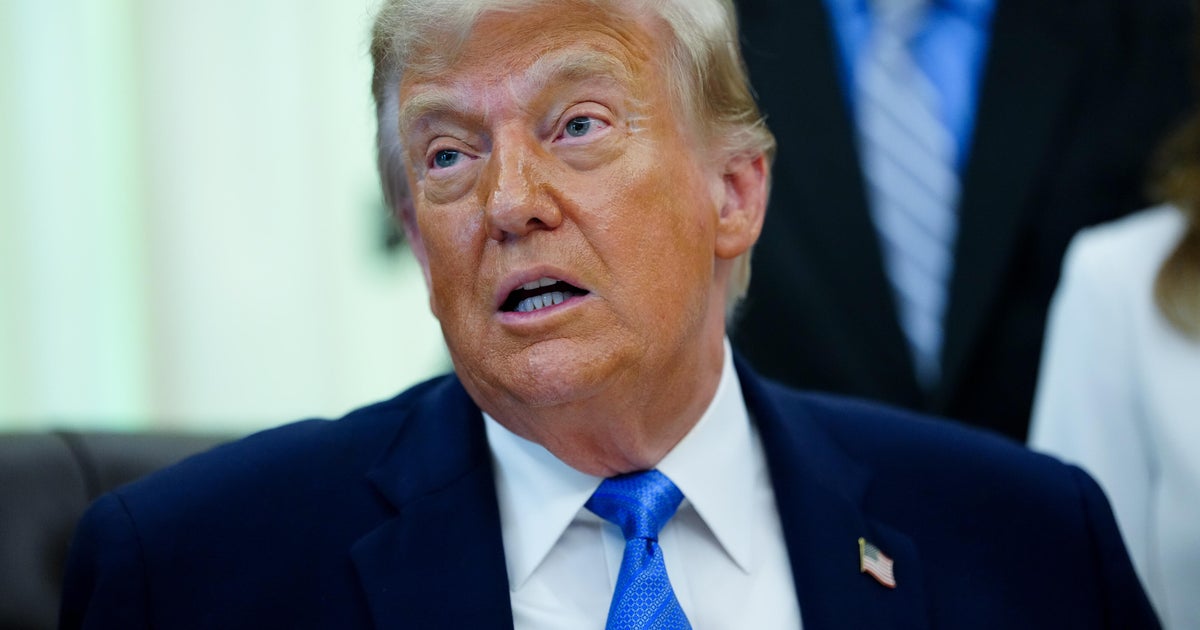
The Kingdom’s pivotal role in the UN peace architecture was highlighted in a recent meeting.
A strategic partnership: During the opening of the ECOSOC Forum on development financing, the UN Headquarters in New York hosted a strategic dialogue between the UN peace architecture and the World Bank. Led by Ambassador Omar Hilale, Morocco’s Permanent Representative to the UN and President of the Peacebuilding Commission, the meeting with the World Bank’s Executive Directors aimed to redefine and strengthen the partnership between peace, conflict prevention, and development.
Morocco is leading a new phase in the peace-development partnership with the World Bank. A strategic dialogue was opened on Monday at the UN headquarters between the World Bank’s Executive Directors and Omar Hilale, Morocco’s Ambassador to the UN and President of the Peacebuilding Commission. The goal is to redefine the partnership between the UN peace architecture and the Bretton Woods institution. This is the third edition of the dialogue, following previous editions held in Washington in June 2024 and September 2025. This meeting, coinciding with the opening of the ECOSOC Forum on development financing, underscores the Kingdom’s importance in the heart of the UN peace architecture. In this year of double jubilee, it confirms Morocco’s pivotal role at the intersection of political and financial multilateral agendas, where the Kingdom is recognized as a reference voice and a recognized player in global balances. “Peace is not only the foundation of sustainable development, but it is also a prerequisite,” noting that “without peace, development gains cannot be consolidated, and without development, the conditions for peace remain fragile,” Mr. Hilale emphasized.
Backing this with figures, the PBC President recalled that over half of the world’s population currently living in extreme poverty is in fragile, conflict, or violence-affected contexts. He called on the World Bank council to maintain a sustained focus on these environments and praised the ambition of the 21st replenishment of the International Development Association (IDA), focusing on prevention and resilience. Building on the recent successful PBC visit to the Central African Republic, Mr. Hilale commended the significant progress made by Bangui, including the consolidation of security conditions, the expanding state authority throughout the territory, and the strong commitment to transitional justice, all of which now require enhanced support from the World Bank.
Identifying four priority areas for deepening UN-World Bank cooperation in support of Central African national priorities, the PBC President outlined: increased financing for community reintegration, support for Bangui’s reforms in security and justice sectors, accompanying the Central African path towards World Bank Prevention and Resilience Allocation (PRA), and strengthening the quadripartite monitoring framework bringing together the UN, World Bank, African Development Bank, and the European Union. Mr. Hilale also announced the First UN Peacebuilding Week in New York from June 22-26, mandated by the UN General Assembly, under the theme “Partnership for Innovation, Inclusion, and Impact.”
On this occasion, the ambassador invited the President of the World Bank Group, Ajay Banga, to participate in this meeting, which coincides with the 20th anniversary of the PBC, stressing that Mr. Banga’s presence at this pivotal moment “would send a powerful signal about the centrality of the UN-World Bank partnership in the international peace and development agenda.” The interactive debate that followed, involving World Bank Executive Directors, the PBC Bureau, and the Secretariat, confirmed common ground: the articulation between peace and development, national ownership as a compass, and financing as a crucial lever. Finally, the PBC President called for giving this partnership full operational density by proposing four concrete commitments to be implemented without delay: systematic sharing of PBC notes with the World Bank council, joint preparation of Prevention and Resilience Allocation (PRA) requests, co-organization of thematic sessions during the June week, and networking the PBC country configurations with the World Bank’s FCV teams.

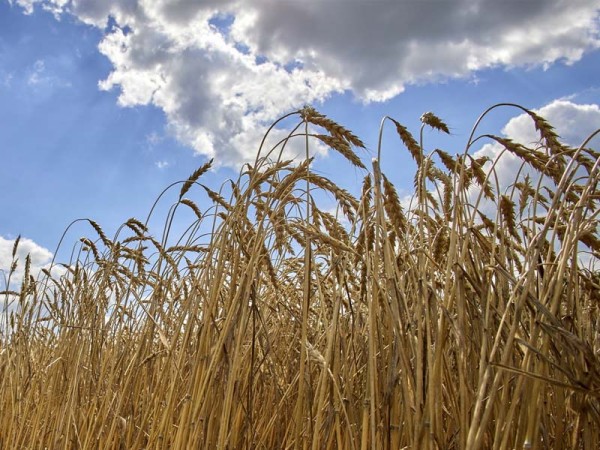


/regions/2026/06/11/6a2a94584c2e3384142755.jpg "Saint-Etienne-du-Grès: a fire broke out on a wheat crop, one hectare covered, 47 firefighters mobilized..")