
Live Reporting
Edited by Tinshui Yeung and Ben Hatton, with reporting from BBC Persian and teams across the Middle East
-
The strait closed, Trump’s threats and US-Iran negotiations – a timeline
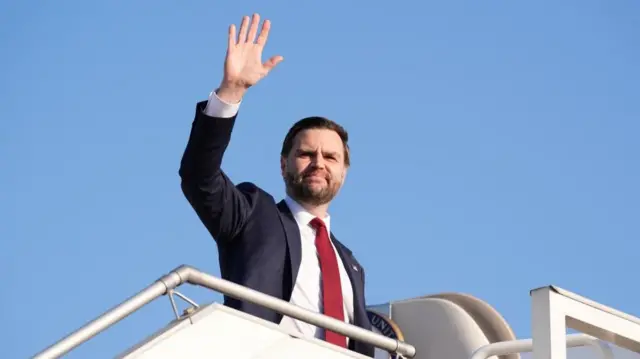
Image source, Reuters
28 February: The US and Israel launch strikes on Iran, as diplomatic talks collapse. The first reports of commercial ships coming under attack circulate the next day.
2 March: An Iranian official says Iran will “set fire to anyone who tries to pass through” the Strait of Hormuz – effectively closing one of the world’s major waterways.
6 March: Trump says there will be no deal “except unconditional surrender” of Iran.
21 March: Trump sets a deadline, threatening to target Iran’s energy infrastructure unless it agrees to open the strait.
23 March: Trump postpones his deadline, citing “productive conversations” – this is followed by further postponements and more threats.
7 April: Trump warns “a whole civilisation will die” if the strait is not opened before another deadline. Overnight, Pakistan, acting as mediator, announces a two-week ceasefire between the US and Iran for further talks.
11 April: Top officials from both sides, including US Vice President JD Vance and Iranian Foreign Minister Abbas Araghchi, meet in Pakistan.
12 April: After 21 hours the talks in Pakistan end without resolving key issues. Trump announces a blockade of Iranian ports.
17 April: Iran’s foreign minister says the strait will remain open for the rest of the ceasefire. Trump says the US blockade will continue.
18 April: Iran’s Islamic Revolutionary Guard Corps blocks the strait again – two merchant ships report attacks. Trump says “very good conversations” are happening but the US will not be “blackmailed” over the waterway.
Today: Trump announces his representatives, headed by Vance, will return to Pakistan on Monday for talks. He renews his threat to destroy every power plant and bridge in Iran if it does not agree a deal. The Iranian leadership is yet to confirm if it will send representatives to Islamabad.
-
JD Vance to head US negotiating team in Pakistan, BBC understands
Breaking
A White House official tells the BBC that US Vice President JD Vance will travel to Islamabad with Donald Trump’s advisers Steve Witkoff and Jared Kushner for talks.
It still isn’t clear if Iran will be participating in the talks, or who will make up that negotiating team if it does travel to Pakistan. When we hear more, we’ll share it right here.
-

Is Trump threatening to commit a war crime?
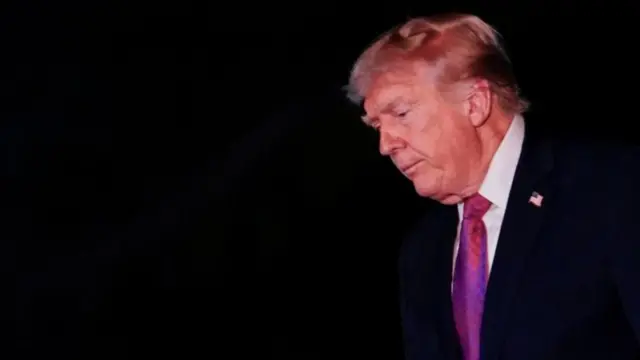
Image source, Reuters
In a Truth Social post earlier, the US president again threatened to hit civilian infrastructure in Iran if a deal is not reached. It’s not the first time he’s suggested hitting bridges and power plants – here’s what to know.
Donald Trump’s threat to blow up electricity plants and bridges in Iran could amount to a threat to commit potential war crimes, according to international treaties and conventions on the laws of war.
…
French President Emmanuel Macron has blamed Hezbollah after a French soldier serving with Unifil died when their patrol came under small arms fire on Saturday.
In Sunday’s update, Unifil says that two of the three other peacekeepers who were “severely injured in the attack” are still receiving treatment in Beirut.
A third peacekeeper is being treated for “moderate injuries” in a southern Lebanon Unifil facility, it adds.
Hezbollah has issued a statement denying it was responsible for the attack, describing the accusations as “rushed”.
-
‘The only bit of light in this dark… mediators are still exchanging messages’
The closure of the Strait of Hormuz is dominating the diplomatic messages from both the Iranian and US sides, who both blame each other for the crisis, the BBC’s chief international correspondent Lyse Doucet says.
Reporting from inside Iran, she says there is little sign of the peace deal that President Trump keeps hinting at, and even an extension to the current ceasefire, which expires in just a few days, is yet to be decided.
Lyse Doucet is reporting from Tehran on condition that none of her material is used on the BBC’s Persian Service. These restrictions apply to all international media organisations operating in Iran.
-
IDF says it struck more than 150 Hezbollah members in 24 hours before ceasefire started
The Israel Defense Forces (IDF) has just posted on messaging app Telegram saying it “eliminated” more than 150 “Hezbollah terrorists” in 24 hours “prior to the ceasefire understandings taking effect”.
The IDF also says it hit about 300 military sites in the strikes, such as command centres and weapons storage facilities, across several areas in Lebanon.
It claims to have killed several Hezbollah commanders and says it will continue to remove any threat to Israeli civilians and soldiers.



/2026/06/11/6a2a4ee24803c565853794.jpg "REPORTING. “On the front, the sky is literally teeming with drones”: how the Ukrainian army trains to face the threat")