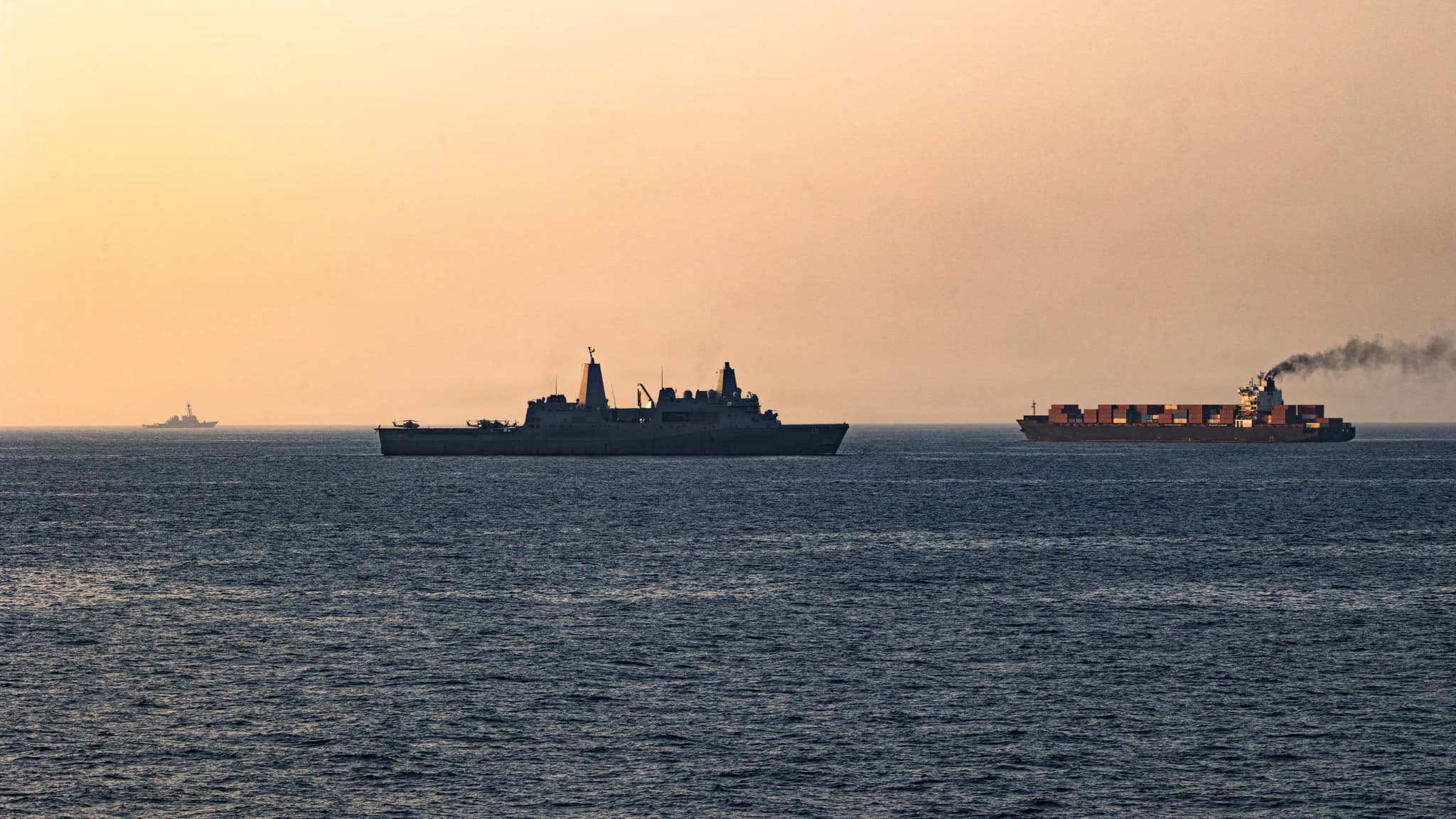
The blockade imposed by Donald Trump went into effect on Monday at 4 pm, following the failure of negotiations between Iran and the United States in Pakistan. The American president threatened on Monday to “destroy” any Iranian “fast attack vessel” that would force this passage, which has been controlled by Tehran since the beginning of the war. This operation is supposed to prevent all ships entering or leaving Iranian coasts and ports from circulating.
However, those heading to or from other Gulf countries can pass freely. No specific details have been provided regarding the means deployed and how the entire traffic will be controlled. Donald Trump hinted that the United States would be assisted in their objective by other countries. Israeli Prime Minister Benjamin Netanyahu expressed his support for the American president’s project. “We certainly support this firm position, and are in constant coordination with the United States,” he said.
Tehran threatens other Gulf ports
Iran, for its part, does not intend to yield to American offensives. The country deemed the blockade “illegal” and an act of “piracy.” Tehran also responded with threats: “If the security of the ports of the Islamic Republic in the waters of the Persian Gulf and the Arabian Sea is threatened, no port in the Persian Gulf and the Arabian Sea will be secure,” declared the Iranian military command.
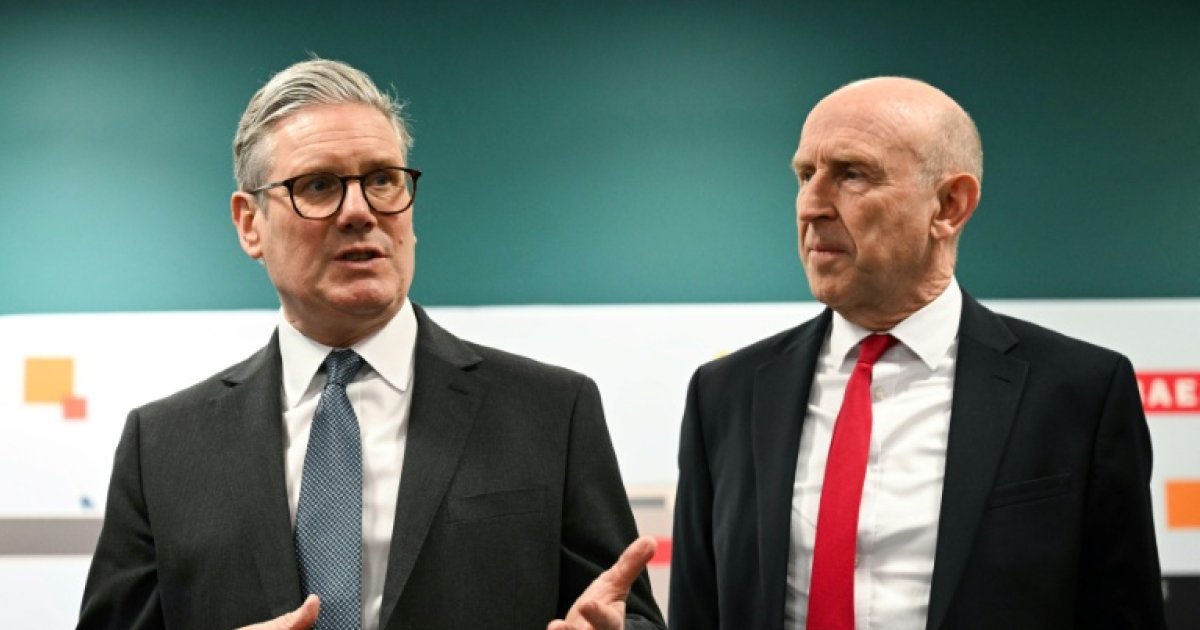
Numerous countries have criticized the United States’ decision. “We do not support the blockade,” said British Prime Minister Keir Starmer. His country will hold a conference with France in the coming days “to contribute” to “a peaceful multinational mission aimed at restoring freedom of navigation,” announced Emmanuel Macron on Monday.
The Strait of Hormuz is one of the most strategic maritime passages in the world. It usually sees nearly a fifth of the world’s hydrocarbon trade pass through and has been a point of tension since the beginning of the war. If the strait is blocked, oil and energy prices worldwide could skyrocket. The consequences were already being felt on Monday.
“We are probably heading towards increased tensions”
Just before the start of the blockade, oil prices had sharply risen and were above $100 per barrel. The West Texas Intermediate (WTI) barrel for May delivery was up 7.26% at $103.58. The Brent barrel from the North Sea for June delivery, the global benchmark, was trading at $101.85, up 6.99%. The impact on oil prices is expected to be significant on refined products, especially diesel. The European Airports Association expressed concern about a risk of a “systemic kerosene shortage.”
Fuel prices have increased by more than 40 cents per liter since the conflict began, a bit less for gasoline, according to Philippe Chalmin. If the situation persists, tensions are likely to increase, according to him.
Overall, uncertain times lie ahead due to the ongoing conflict. Many uncertainties remain about the blockade, as the truce between the United States and Iran is set to last until April 22 and could be threatened.