Strategists talk about missiles, maritime routes, energy straits… Others prefer to invoke prophecies. Geopolitics now mingles with eschatology. On certain screens, the noise of missiles blends merrily with the trumpets of the Apocalypse.
Among other illustrations: in an article published in early March, The Guardian reported that some American military officials were concerned about the language used by certain officials to describe the war against Iran, presented in some briefings as part of the “divine plan” and as a step towards Armageddon.
Armageddon. No, it’s not just the title of an old Hollywood disaster movie, but also centuries of stories about the final battle supposed to herald the end of times: the ultimate fight between good and evil forces preceding the return of Christ and the Last Judgment.
Interestingly, some supporters on both sides seem to share at least one belief: that this war is not just geopolitical. It is primarily theological.
Videos abound on social networks announcing, with splashes of scarlet and thriller-worthy music, the imminent appearance of Dajjal. A figure of chaos and deception in Islamic tradition, blind from birth, he is said to be capable of speaking with the dead, making rain fall, and causing vegetation to grow.
“The only thing that is certain, as we await the Great Tribulation, is that we are already – very prosaically – in the midst of chaos.”
In addition to this apocalyptic imagination, there are supposed other signs. Sacred geography is redrawn through speculations.
Some claim that the peoples of Gog and Magog, locked up behind a mysterious barrier for centuries, are on the verge of being released – going as far as placing them, according to the latest information, not in the Caucasus or Central Asia, but somewhere in the ice of Antarctica. Or maybe they are underground, according to Hollow Earth advocates, somewhere between its concentric spheres.
Others scrutinize the level of the Sea of Galilee, convinced that its drying up would announce the imminent release of mythical hordes who would drink up the remainder in one gulp.
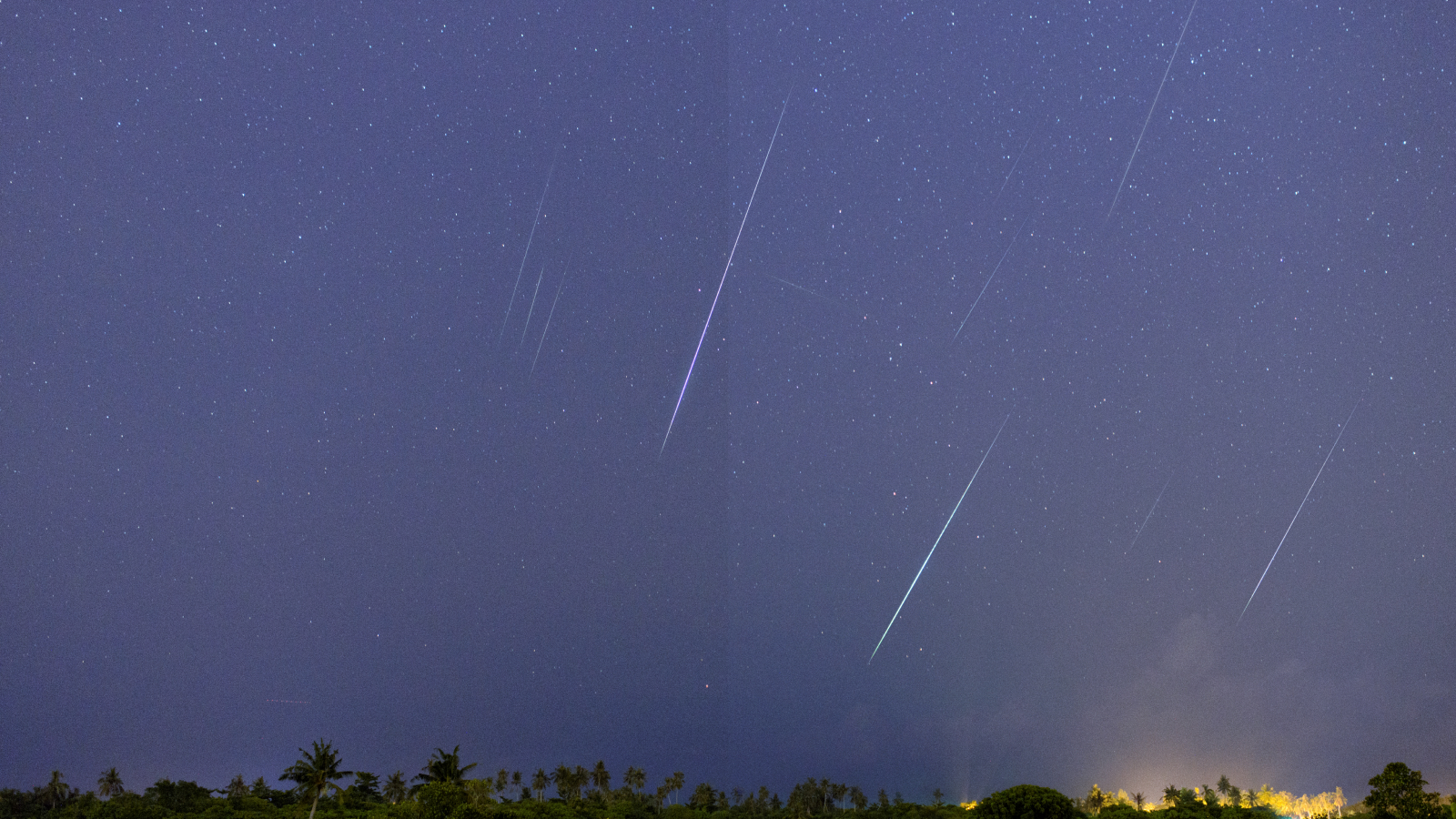
Meanwhile, signs are being watched in the sky. A solar eclipse, a blood moon, a comet, a star alignment: all of these celestial events are suddenly interpreted as warnings, accompanied by the call of the Khorassan banners.
With each crisis, the preachers resurface, armed with mysterious chronologies and ancient texts.
Added to this anxious anticipation is the hope for the coming of the Mahdi, the promised divine guide and redeemer, adversary of the impostor, and restorer of the original faith, whose coming would precede the return of Jesus.
“The Hour will come; there is no doubt about that. But who can claim to know its mysteries or fix its moment?”
The only thing that is truly certain, as we await the Great Tribulation, is that we are already – very prosaically – in the midst of chaos: interwoven missiles, threatened sea routes, blocked straits, rampant inflation, and the specter of a long war with all its effects.
That being said, do a few barrels of oil or a powerful recession in a matter of salvation or damnation matter?
When war is cloaked in theology, nuances abandon the field. After me the flood.
History offers some precedents. In 1209, during the taking of Béziers during the Albigensian Crusade, while several Cathars declared themselves heretical among the population, the papal legate was asked by Baron de Montfort how to distinguish them from good Catholics.
Response: “Kill them all, God will recognize his own.”
Whether the phrase was pronounced exactly in that way or not matters little in the end. The essential thing is perhaps to be wary of wars that promise salvation: history shows that they mostly produce cemeteries and wreckage.