
Safran and Airbus drag the sector into a downward spiral
The two heavyweights in the sector account for the majority of the damage. SAFRAN, the top market capitalization in the panel at over 118 billion euros, dropped by 18.89% in one month and fell by 3.96% on Friday, with an RSI falling to 21 – deeply into oversold territory. AIRBUS shows a similar RSI (20) and declines by 14% over the period. DASSAULT AVIATION and Thales limit the damage around -6.5% to -8% over the period, but also decline significantly today (-4.29% and -2.73% respectively).
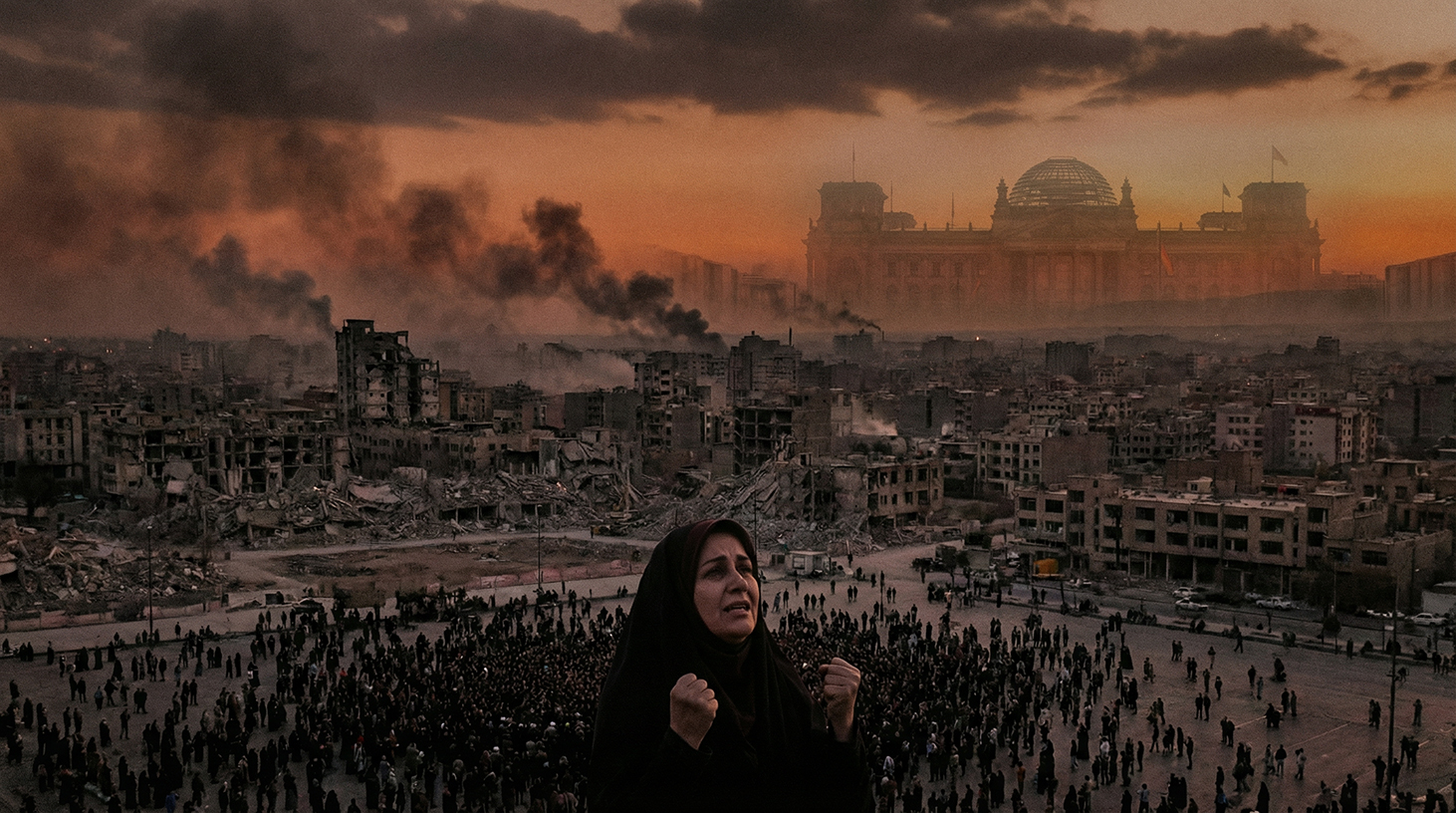
The entire Parisian market is under pressure at the end of this week: the CAC 40 closes down by 1.82% and the SBF 120 by 1.80%, in a climate of high tension illustrated by a VIX at 25.09, rising by more than 12% in two days. The military escalation in the Middle East, with the surge in Brent oil prices and the disruption of regional air traffic, fuels risk aversion and hits the aerospace-defense giants hard, exposed to disruptions in logistics chains and rising energy costs.
Only a few niche stocks resist: EXAIL TECHNOLOGIES (RSI at 64), EXOSENS or Explosifs et Produits Chimiques (EPC) manage to remain above their long moving averages.
Oversold market: signal of a technical rebound or continuation of the correction?
The sector’s technical outlook calls for caution. The sector’s weighted RSI stands at 27.8, in a marked oversold zone – a level that historically precedes a technical rebound. However, the underlying signals remain degraded: the average weighted price is significantly below its 50 and 200-day moving averages, reflecting a bearish momentum in the medium and long term.
There are no shortage of potential catalysts – including the “France Libre” aircraft carrier program at 10 billion euros mobilizing over 600 subcontractors – but the context of geopolitical stress and high market volatility maintains selling pressure on large market capitalizations. The current correction far exceeds that of the market, which could indicate that the sector has seen profit-taking after a previous outperformance phase.
At present, the technical balance of power leans more towards a continuation of consolidation rather than an immediate reversal.



:fill(black)/2026/04/10/69d9575a6189b859042286.jpg "War in Iran: Negotiations on Hold")